EN
The expression "Mi casa es su casa," which gives the exhibition its name, evokes a warm and generous notion of hospitality, where the host offers his home to the other as if it were his own. However, this curatorial proposal seeks to investigate and deepen this notion, highlighting that true hospitality requires recognizing the stranger within ourselves. The exhibition proposes that hospitality is not limited to a docile and absolute welcome, but is built on paradoxical relationships of coexistence with otherness.
Hospitality, as philosopher Alain Montandon explains, must begin by eliminating the latent hostility that often accompanies the first sight of a guest or a stranger. This stranger, who may be poor, marginalized, homeless, landless, a refugee, or considered insane, is often perceived as a threat. Montandon reminds us that social groups construct their identities through the inclusion and exclusion of those who do not conform to their norms. In this context, the expression "Mi casa es su casa" cannot be reduced to a simple gesture of welcome. To be authentic, hospitality must go beyond the appearance of generosity and confront the tensions and contradictions inherent in the act of welcoming others. It is necessary to recognize that hospitality involves a dialectical interaction, where both host and guest are transformed by the experience of living together.
In the show, a dialogue between artists from different territories and practices proposes a critical reflection on how hospitality can be practiced in a deeper and more inclusive way, recognizing and dismantling prejudices and fears regarding foreigners. Hospitality, from this perspective, is not a unilateral act, but a practice of constant openness and self-criticism, a broadening of perspective. Montandon suggests that hospitality should be perceived as a gesture that aims, above all, to eliminate the threatening perception of the other. From this premise, the exhibition seeks to consider ways to broaden the meanings of hospitality, transforming it into an ethical principle that challenges the barriers between us and others.
Recognizing the foreign within ourselves challenges us to build a society where hospitality is a daily ethic that values and respects the human perspective through concepts of interdependence and the complexities of living organisms. Western education, guided by a disconnection from nature, places the human being at the center of all things, valuing reason and the mastery of a certain knowledge for the categorization and organization of all "other" beings, human and non-human.
The reinvention of human habits, constructed by the narrative of power of colonialism and modernity, has created a world that obliterates perceptions of diversity of thought and imagination. To imagine new possibilities for coexistence and ways of caring for the future, we need to recognize our fragile existence in the vastness of the world.
Curated by Bianca Bernardo & Gustavo Riego
ES
La expresión "Mi casa es su casa", que da nombre a la muestra, evoca una noción cálida y generosa de hospitalidad, donde el anfitrión ofrece su casa al otro como si fuera la suya. Sin embargo, esta propuesta curatorial busca investigar y profundizar esta noción, destacando que la verdadera hospitalidad requiere el reconocimiento del extranjero que reside dentro de nosotros mismos. La exposición propone que la hospitalidad no se limita a una acogida dócil y absoluta, sino que se construya a partir de relaciones paradójicas de convivencia con la alteridad.
La hospitalidad, como explica el filósofo Alain Montandon, debe comenzar por eliminar la hostilidad latente que a menudo acompaña a la primera vista de un huésped o un extraño. Este extranjero, que puede ser pobre, marginado, sin hogar,sin tierra, refugiado o considerado loco, a menudo se percibe como una amenaza. Montandon nos recuerda que los grupos sociales construyen sus identidades mediante la inclusión y exclusión de aquellos que no se ajustan a sus normas. En este contexto, la expresión "Mi casa es su casa" no puede reducirse a un simple gesto de bienvenida. Para ser auténtica, la hospitalidad debe ir más allá de la apariencia de generosidad y afrontar las tensiones y contradicciones inherentes al acto de acoger a los demás. Es necesario reconocer que la hospitalidad implica una interacción dialéctica, donde tanto el anfitrión como el huésped son transformados por la experiencia de convivencia.
En la muestra, un diálogo entre artistas de diferentes territorios y prácticas propone una reflexión crítica sobre cómo se puede practicar la hospitalidad de una manera más profunda e inclusiva, reconociendo y desmantelando prejuicios y miedos en relación con los extranjeros. La hospitalidad, desde este punto de vista, no es un acto unilateral, sino una práctica de apertura y autocrítica constante, una apertura de la perspectiva. Montandon sugiere que la hospitalidad debe ser percibida como un gesto que apunta, sobre todo, a eliminar la percepción amenazante del otro. A partir de esta premisa, la muestra busca pensar formas de ampliar los significados de la hospitalidad, transformándola en un principio ético que desafíe las barreras entre nosotros y los demas.
Reconocer lo extranjero en nosotros mismos nos desafía a construir una sociedad donde la hospitalidad sea una ética diaria que valore y respete la perspectiva humana a través de conceptos de interdependencia y complejidades de los organismos vivos. La educación occidental, guiada por la desconexión con la naturaleza, sitúa al ser humano en el centro de todas las cosas, valorando la razón y el dominio de un determinado conocimiento para la categorización y organización de todos los “otros” seres, humanos y no humanos.
La reinvención de los hábitos humanos, construidos por la narrativa de poder del colonialismo y de la modernidad, ha diseñado un mundo que anula las percepciones de diversidad de pensamiento e imaginación. Para imaginar nuevas posibilidades de convivencia y formas de cuidar el futuro, necesitamos reconocer nuestra frágil existencia en la inmensidad del mundo.
Curaduria de Bianca Bernardo & Gustavo Riego


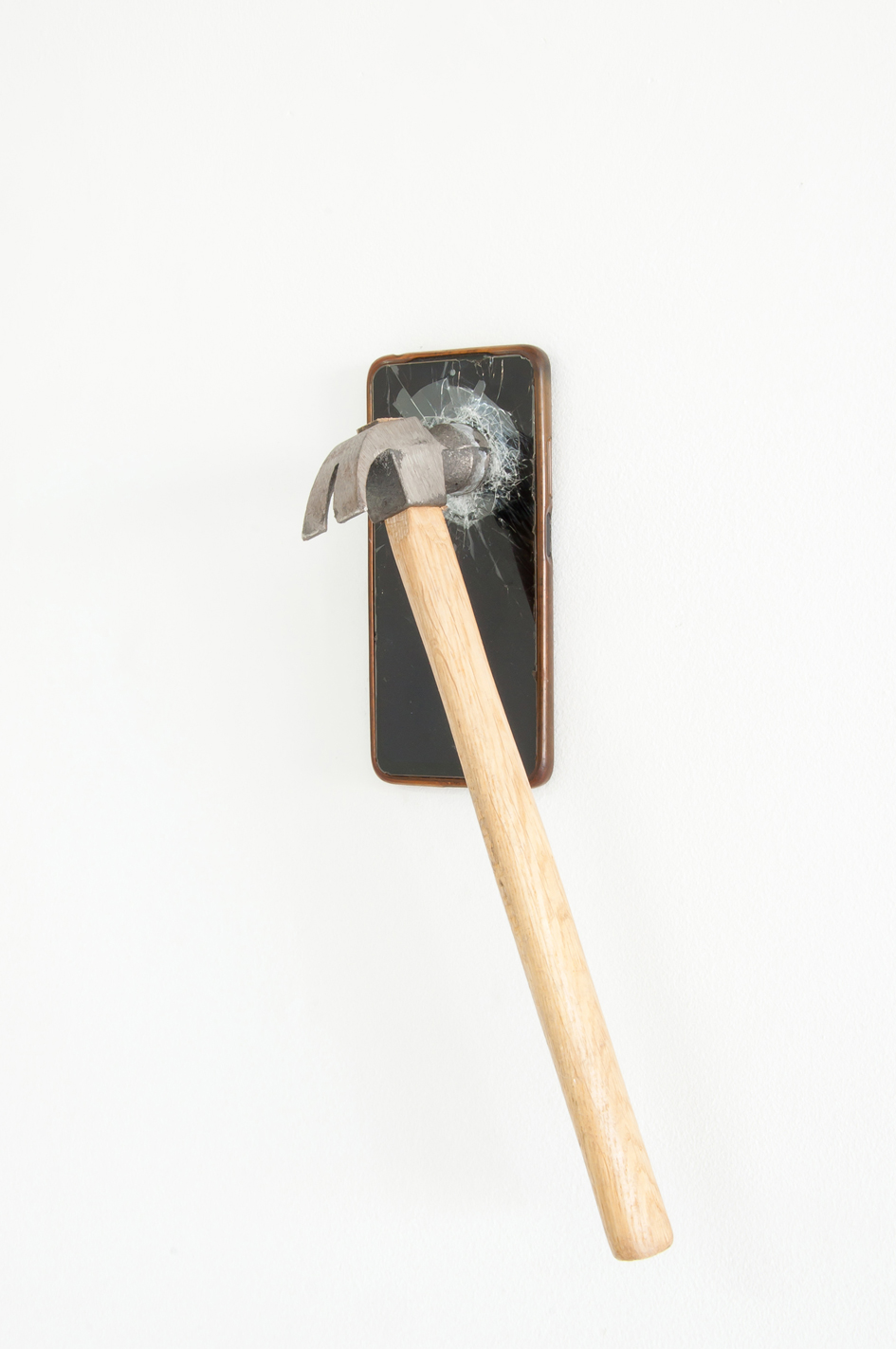
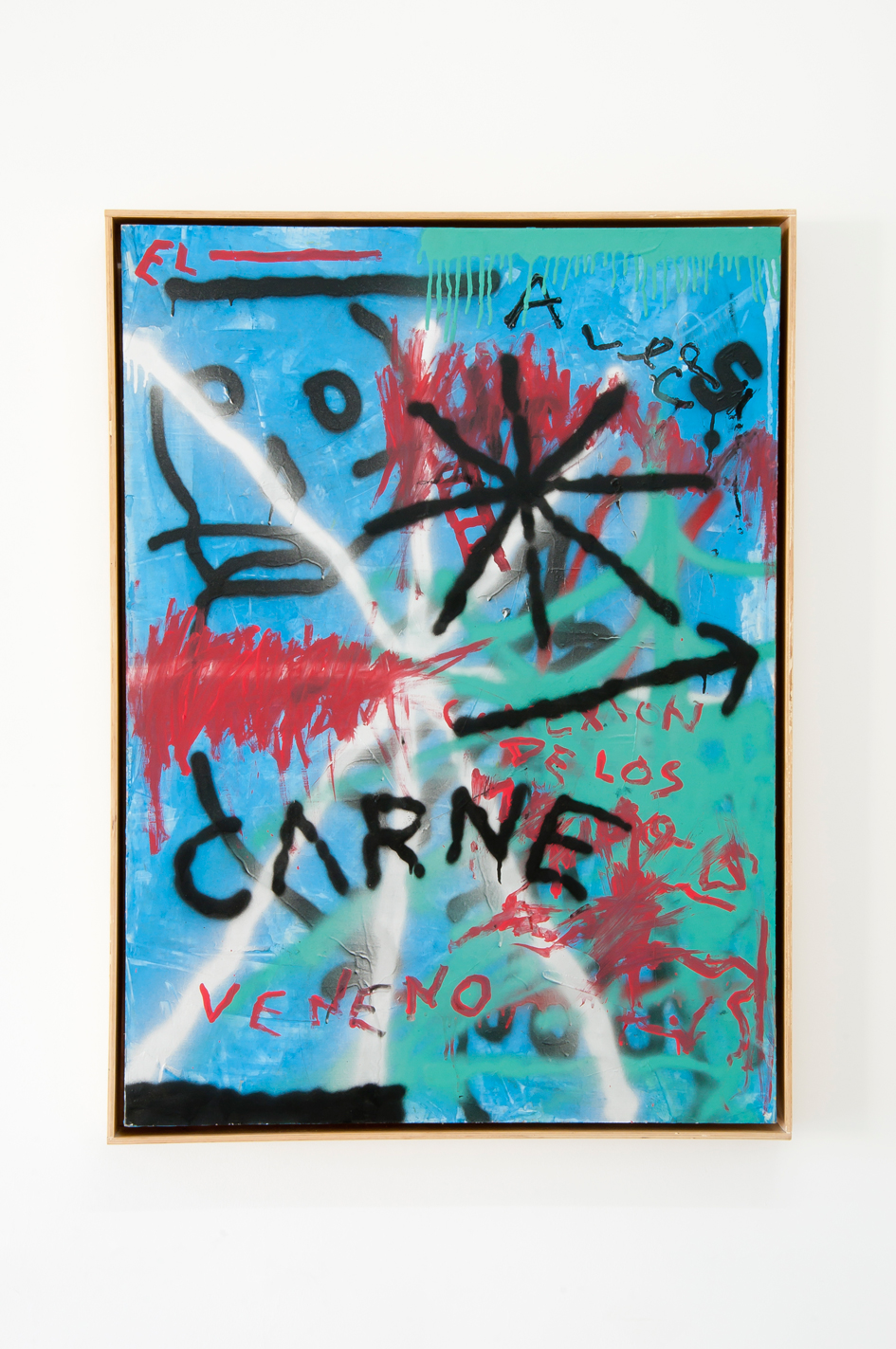
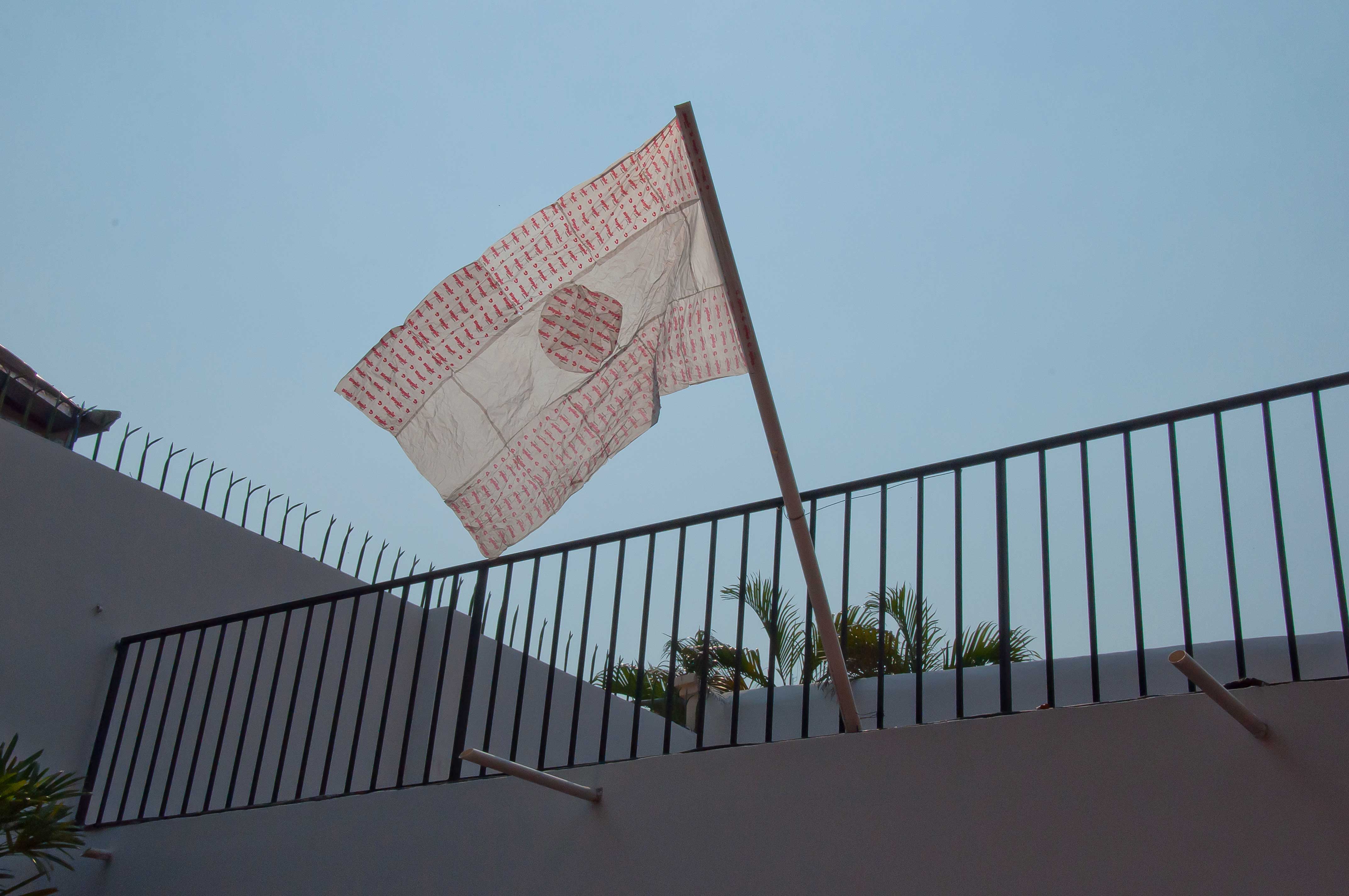
No gracias, PVC, 80 x 150 cm, Cecilia Avati, 2024


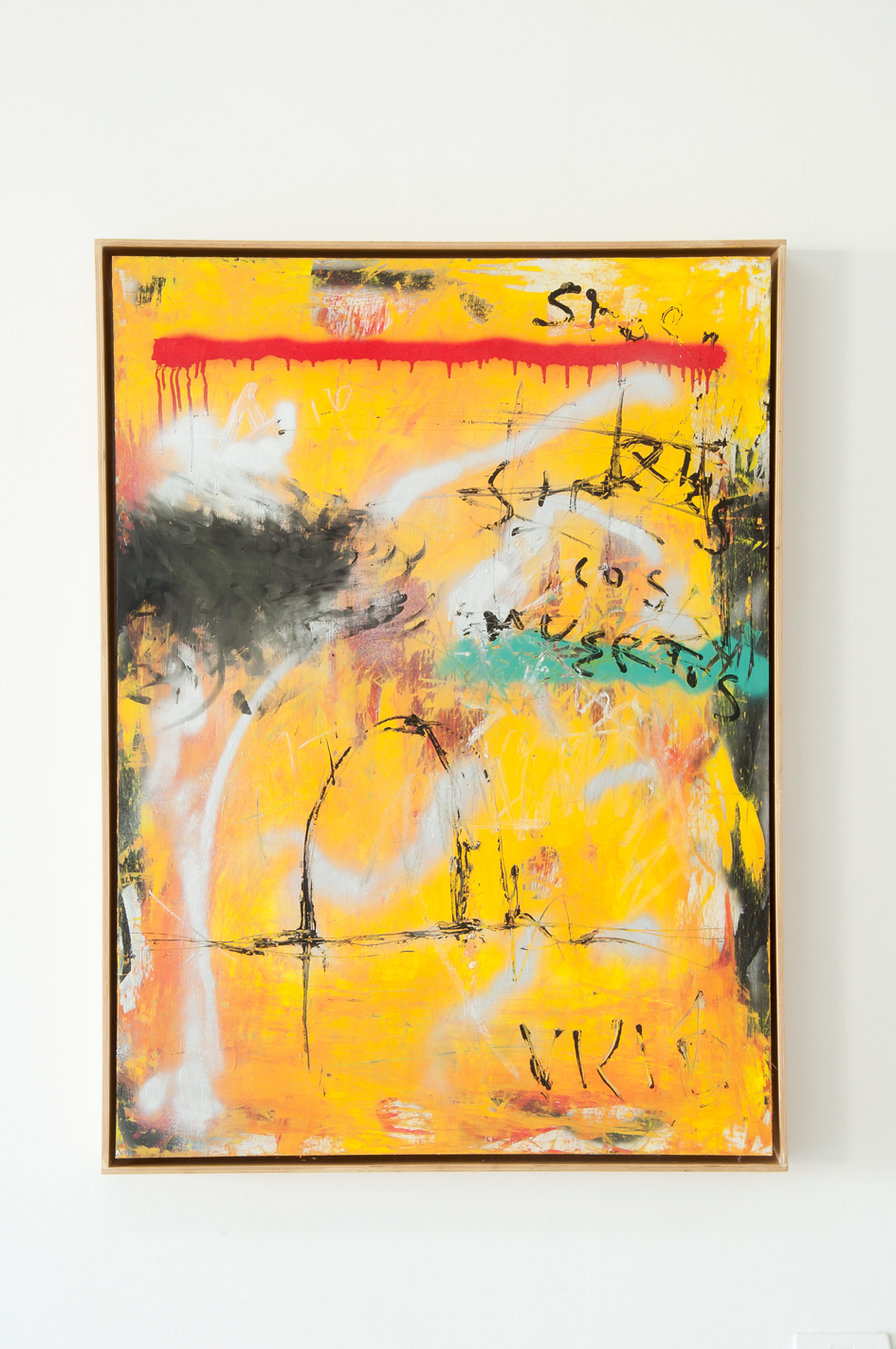
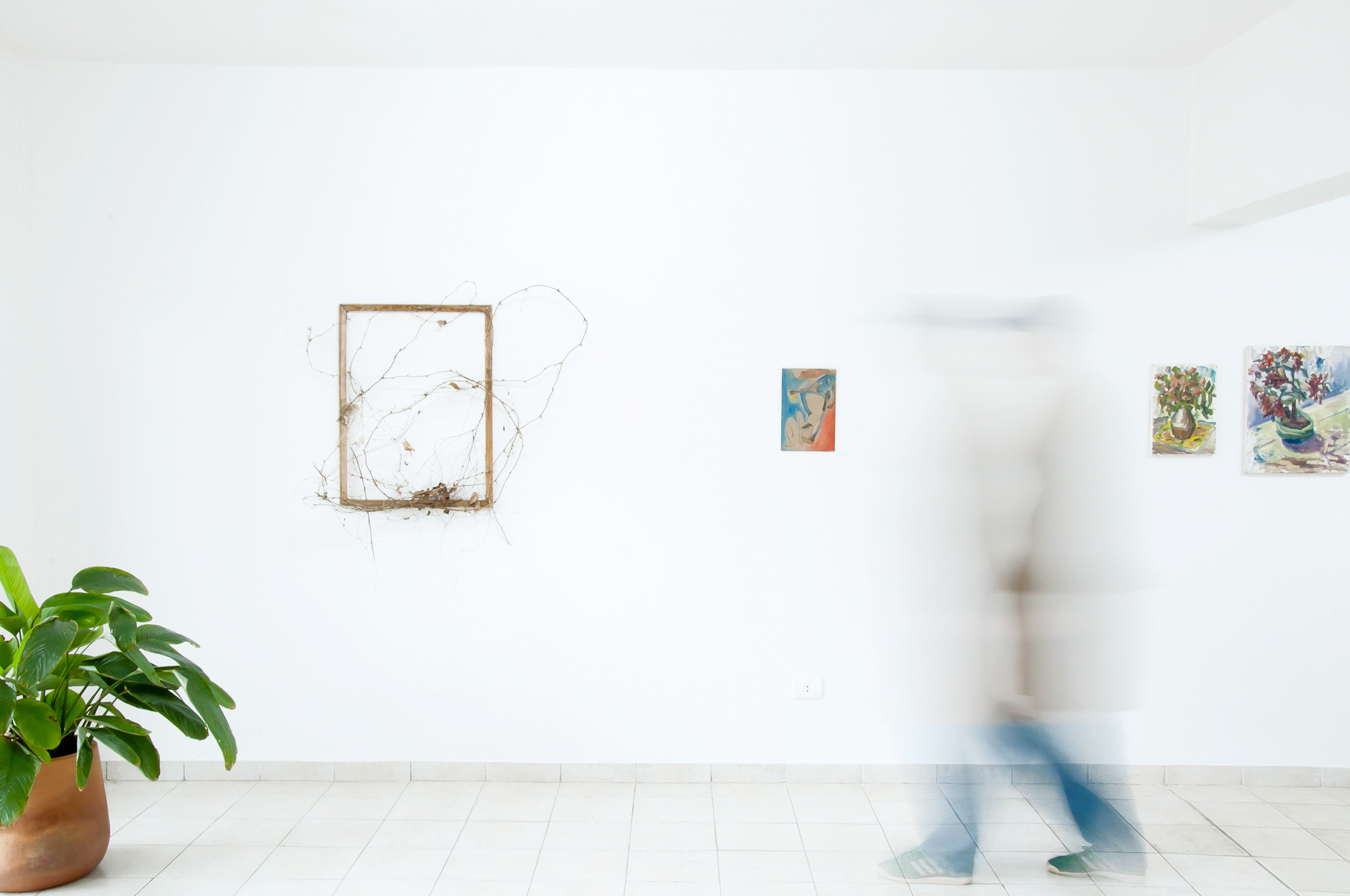
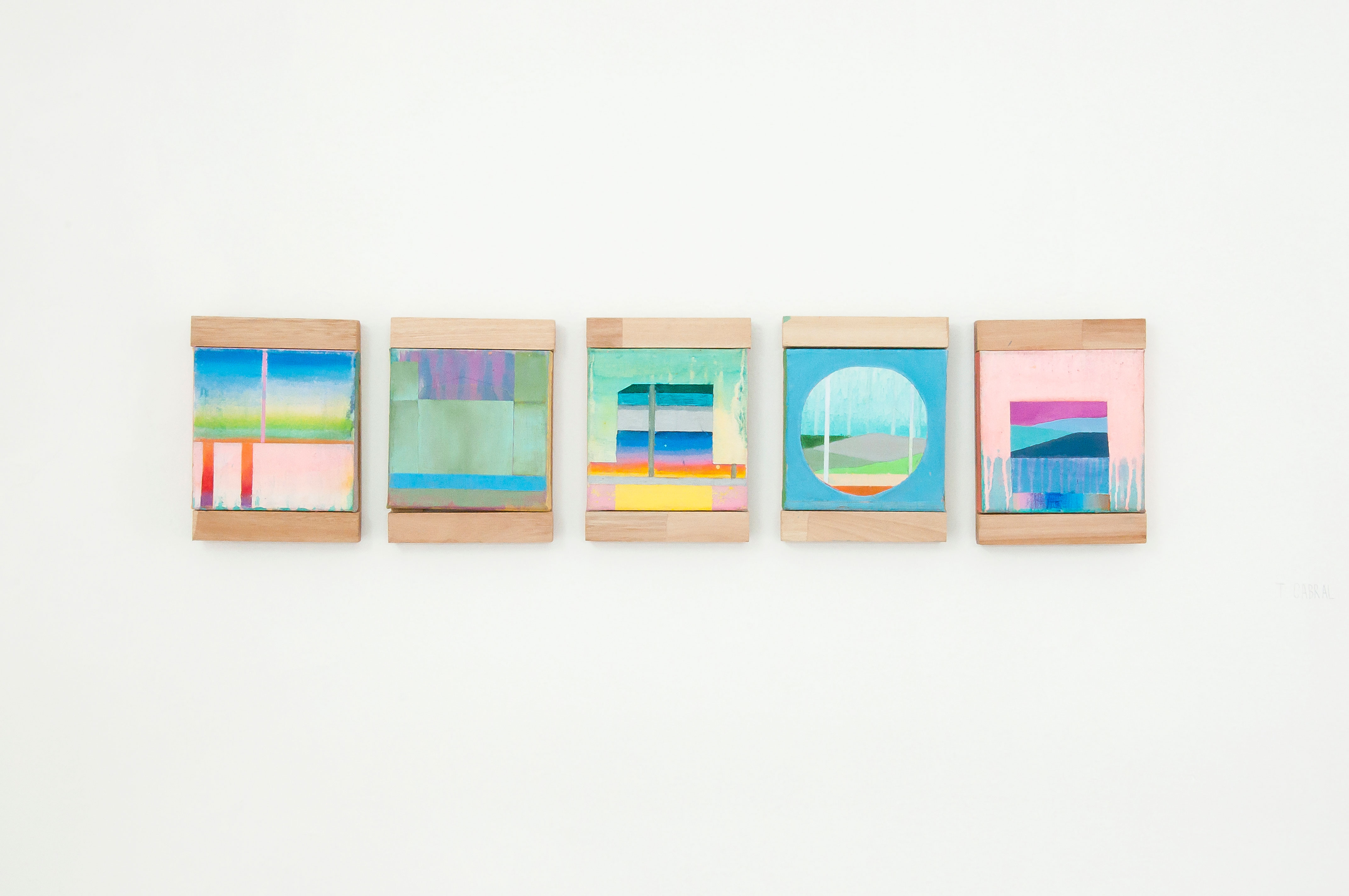
Exhibition view of works by artist Tainan Cabral.


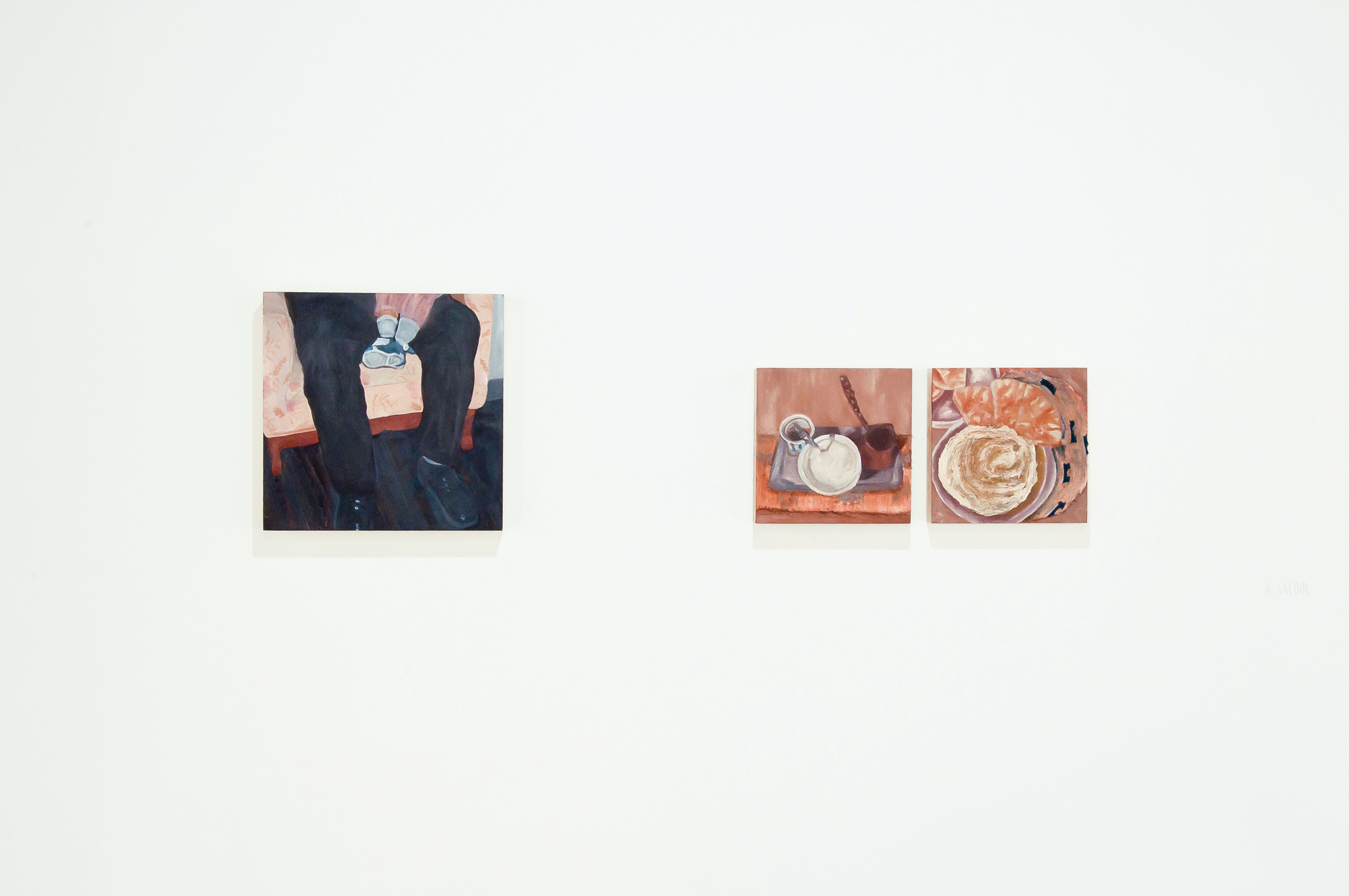
Exhibition view of works by artist Asmahen Jaloul.


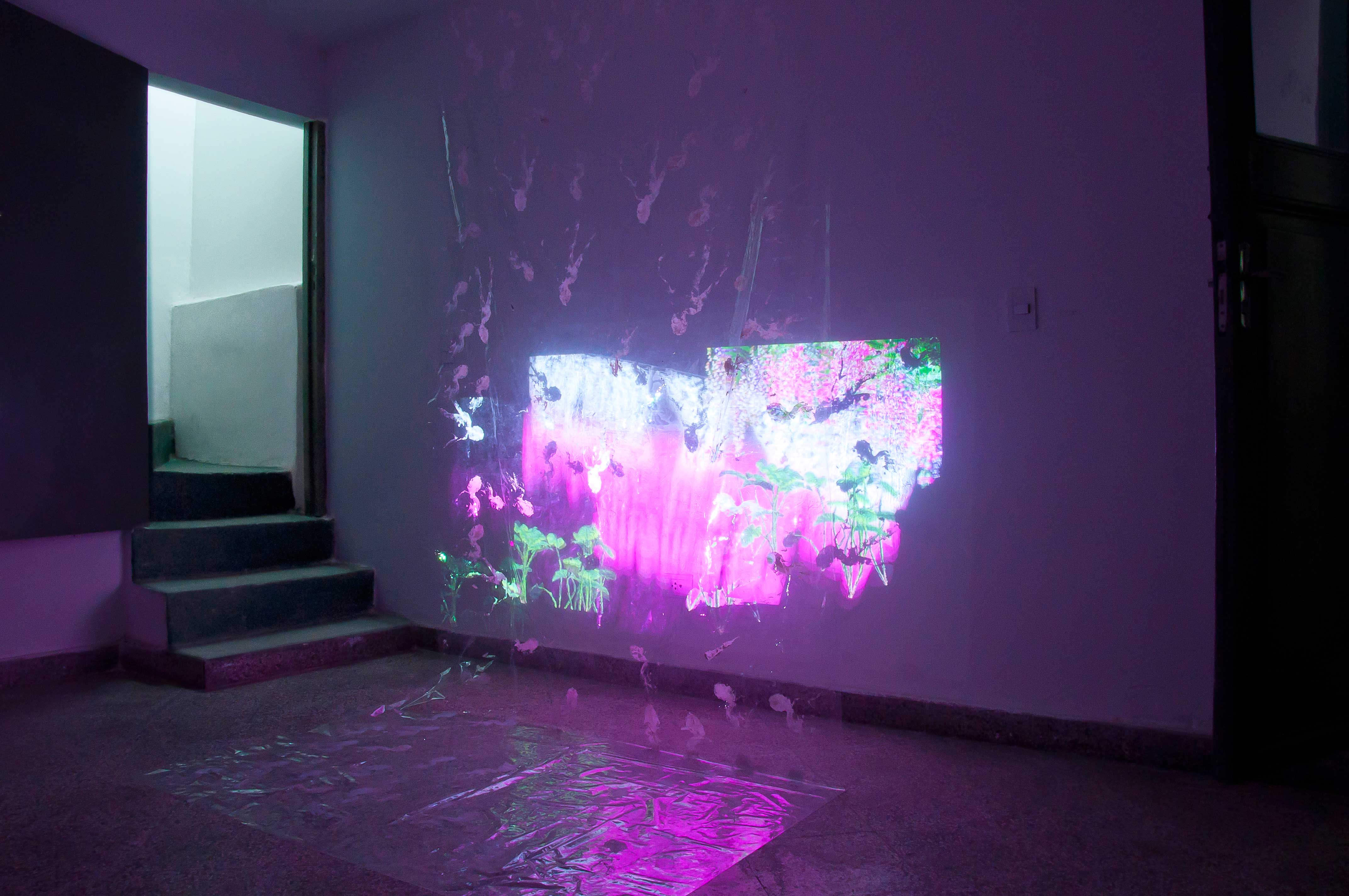
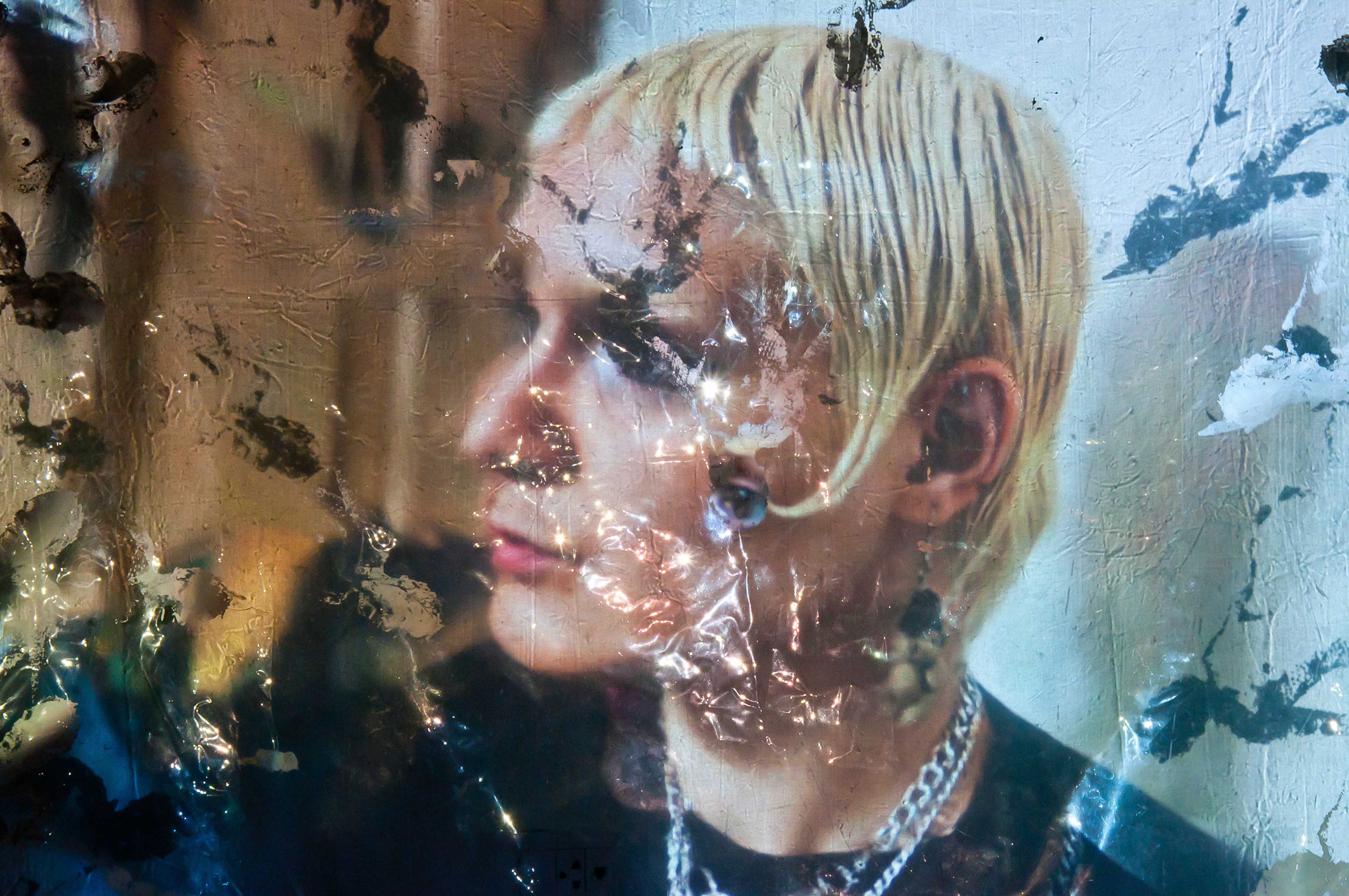
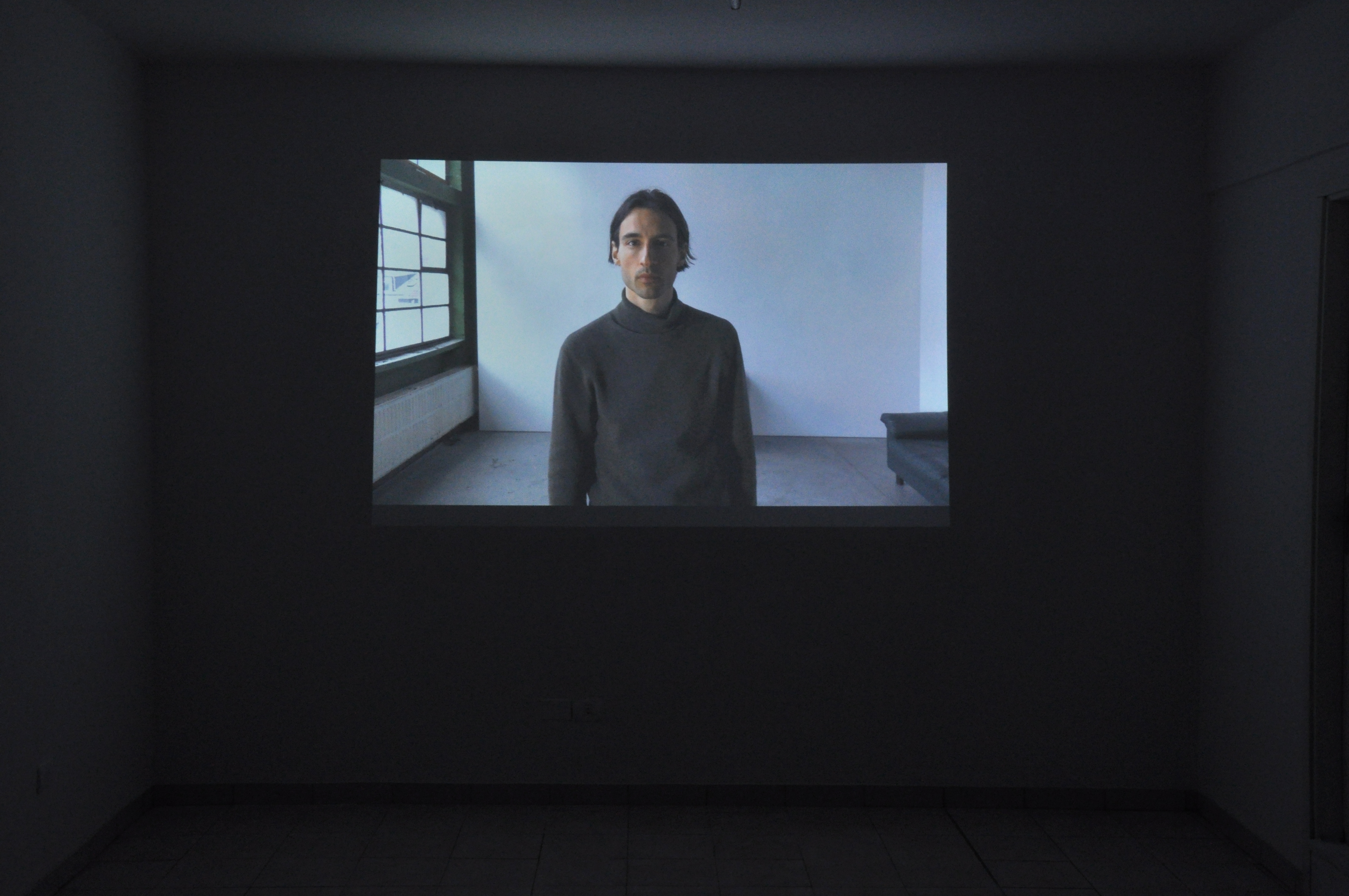
emo-tional/L4ND-SC4P3.exe' 2024. & 's3lf-™️.exe, video-instalation, variable dimensions, James Muriel, 2024


emo-tional/L4ND-SC4P3.exe' 2024. & 's3lf-™️.exe, video-instalation, variable dimensions, James Muriel, 2024


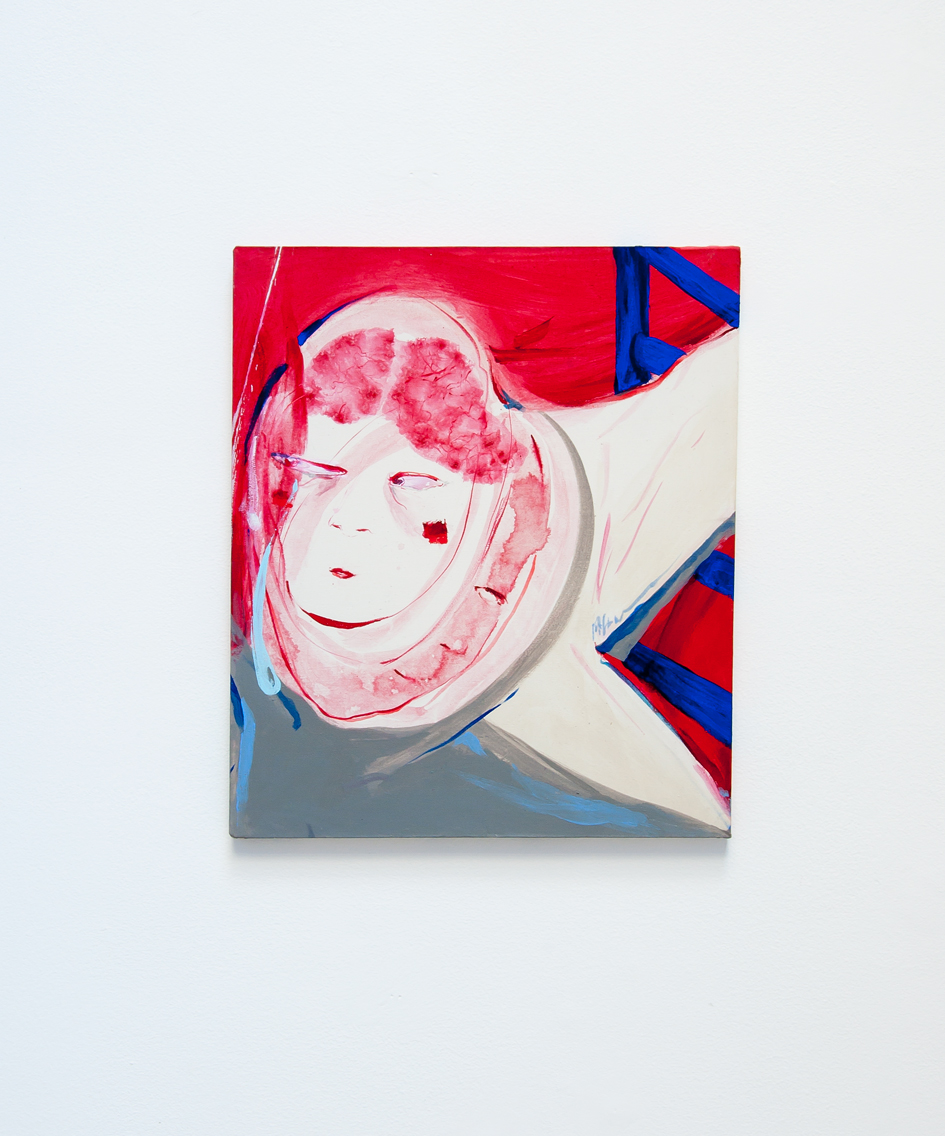
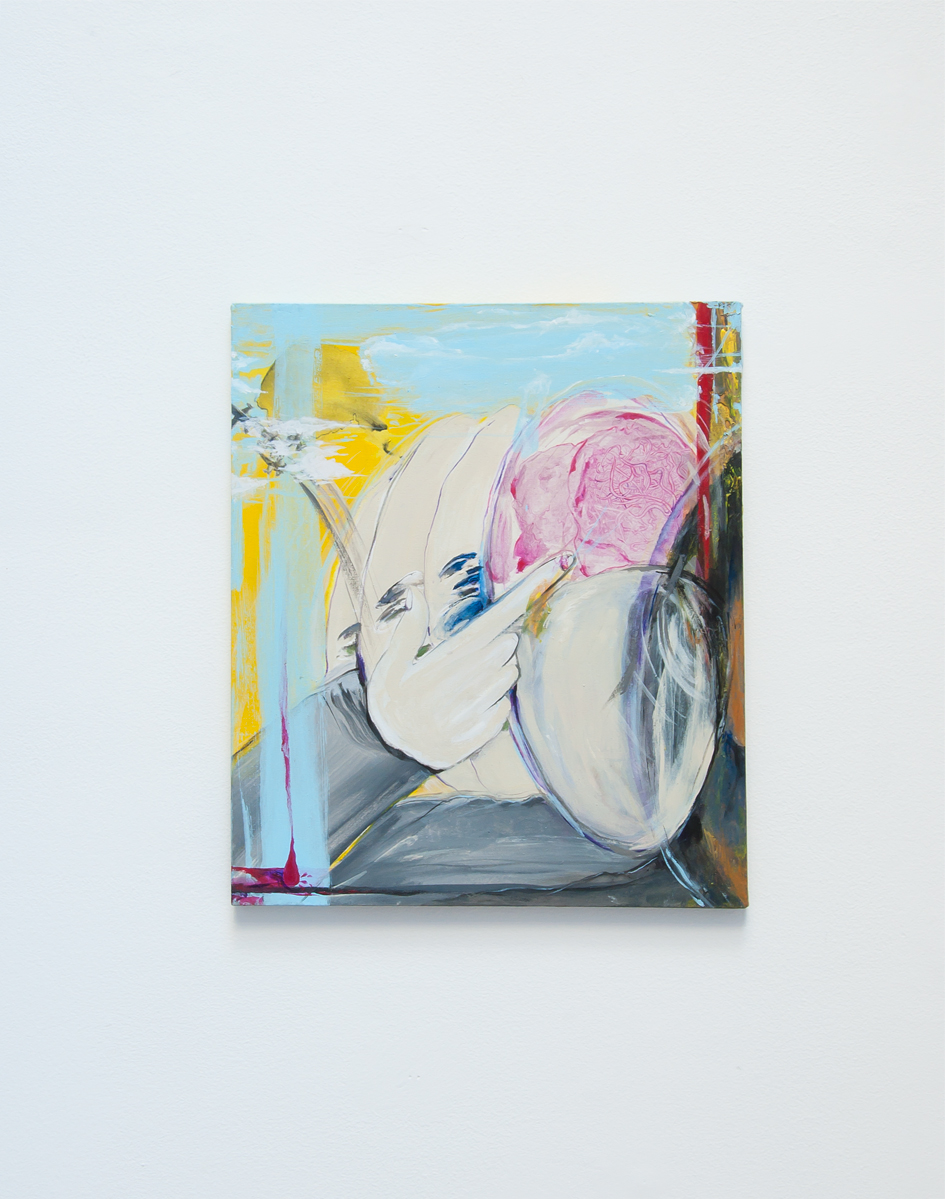
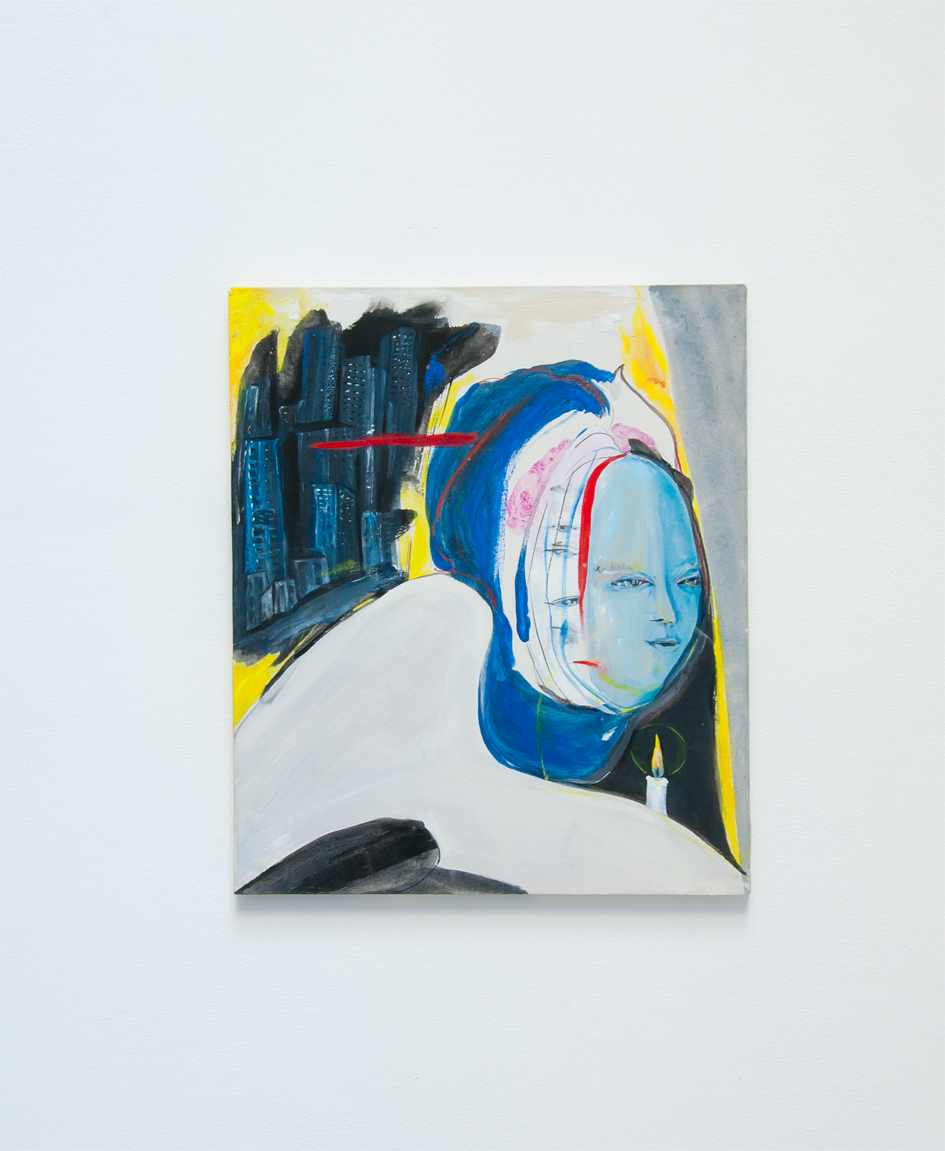
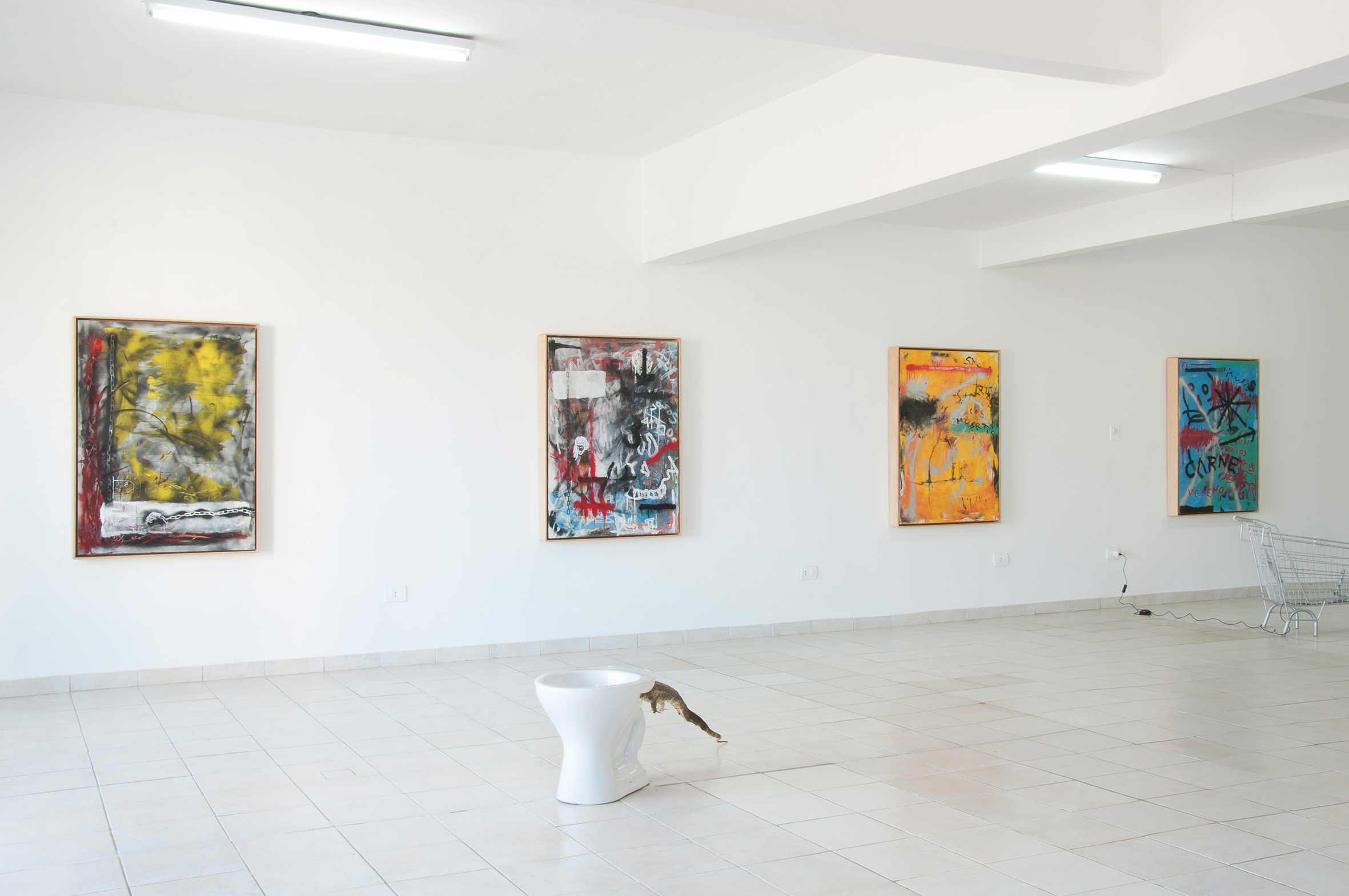
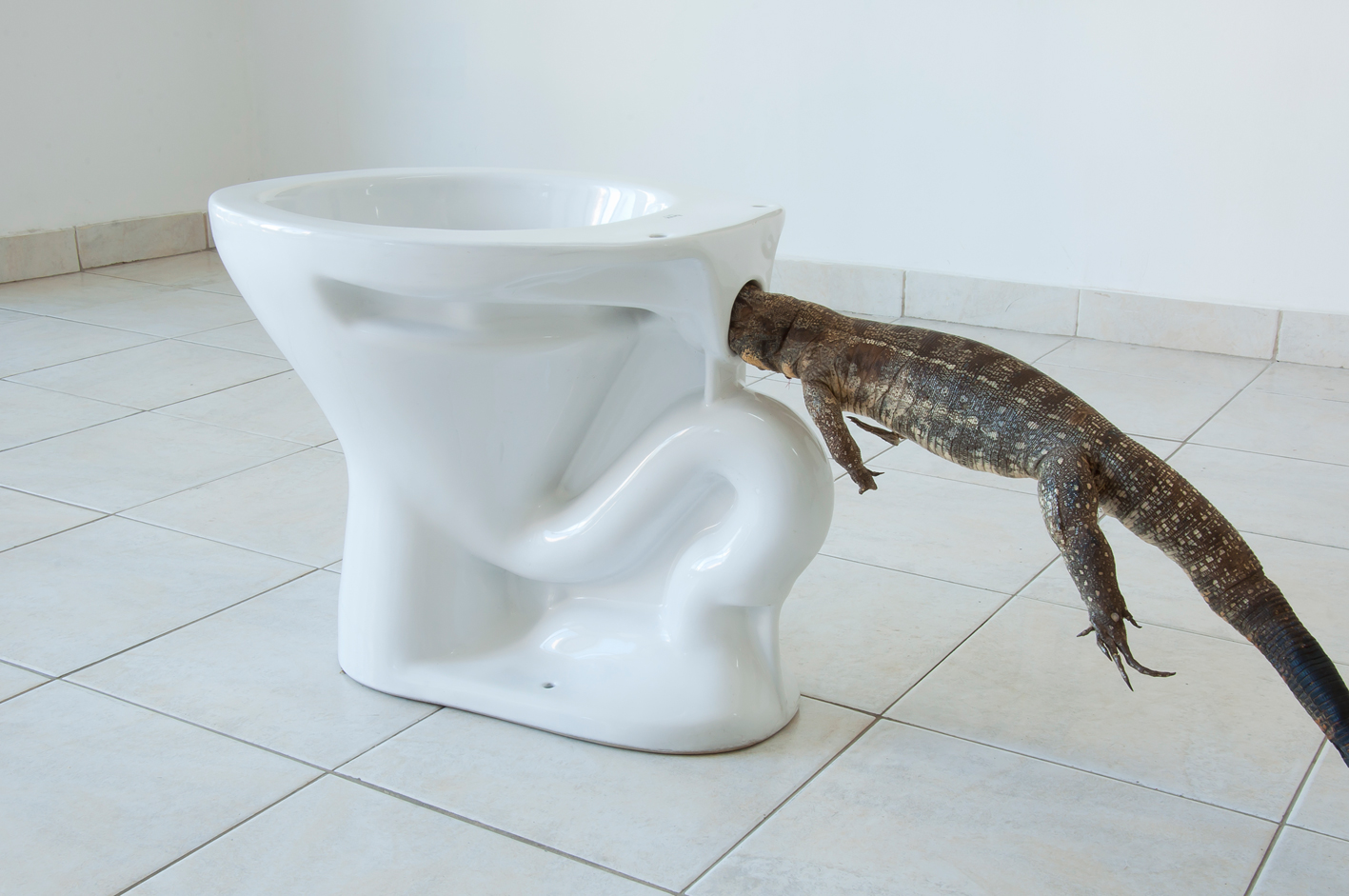
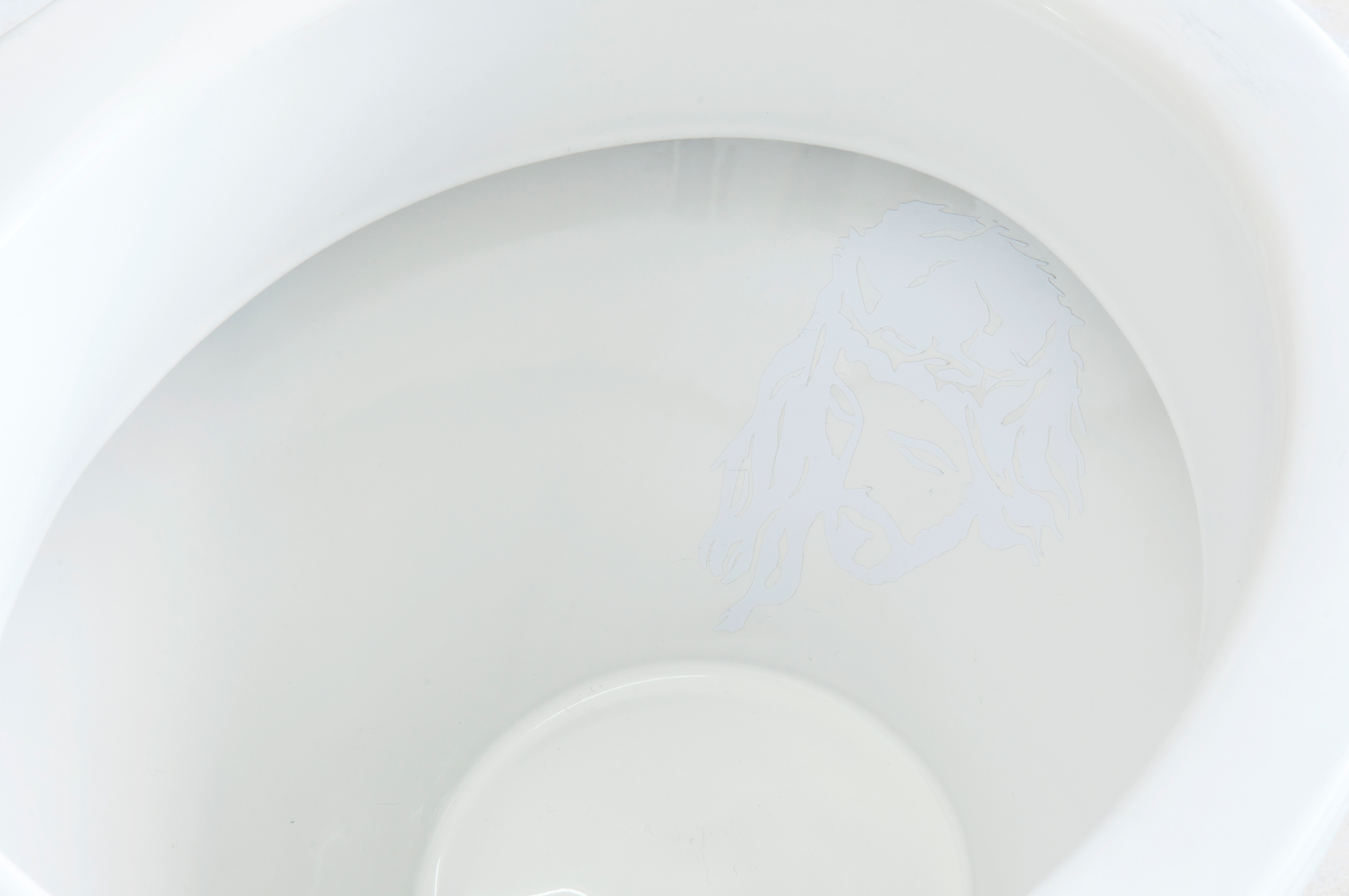
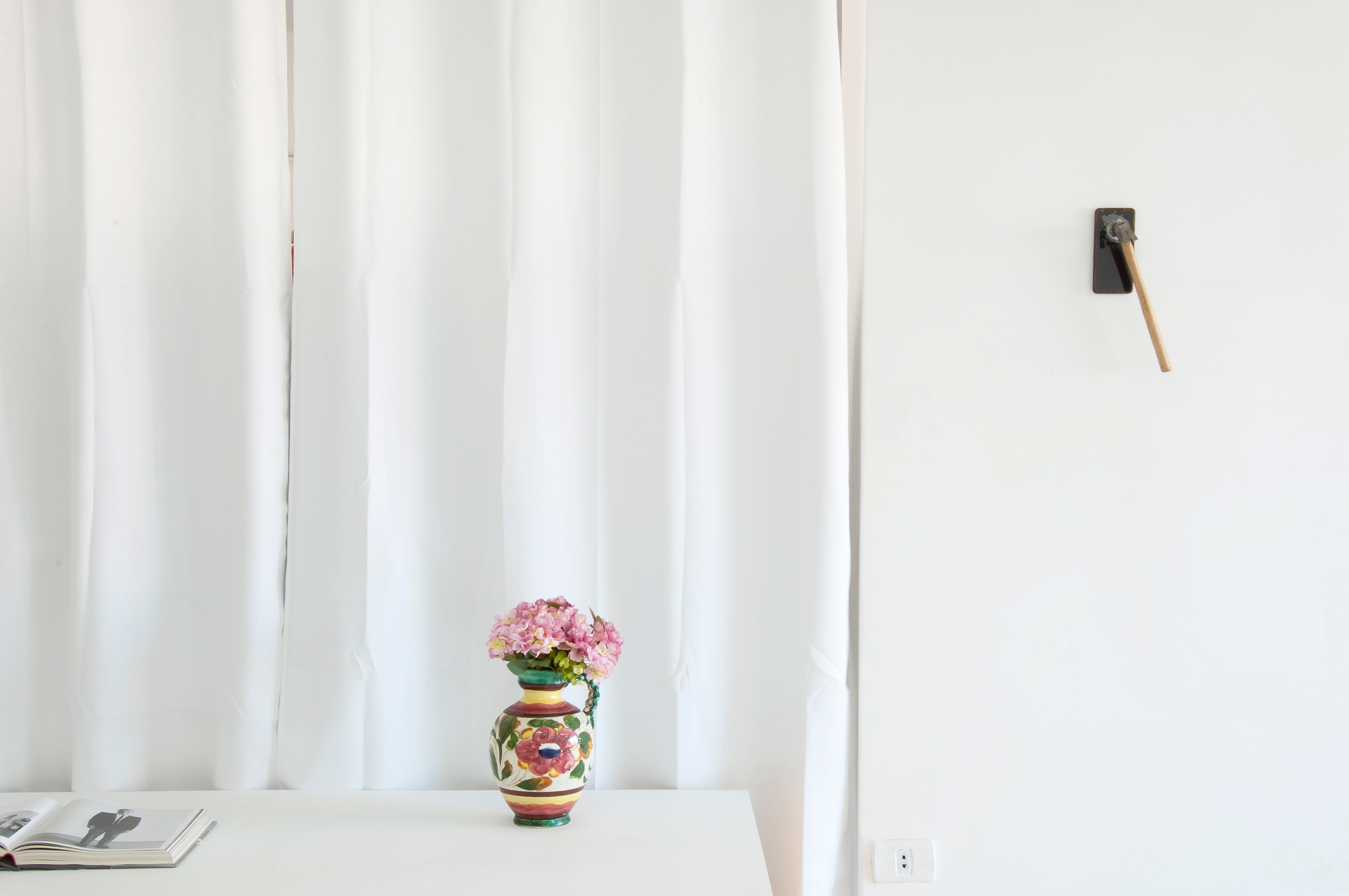
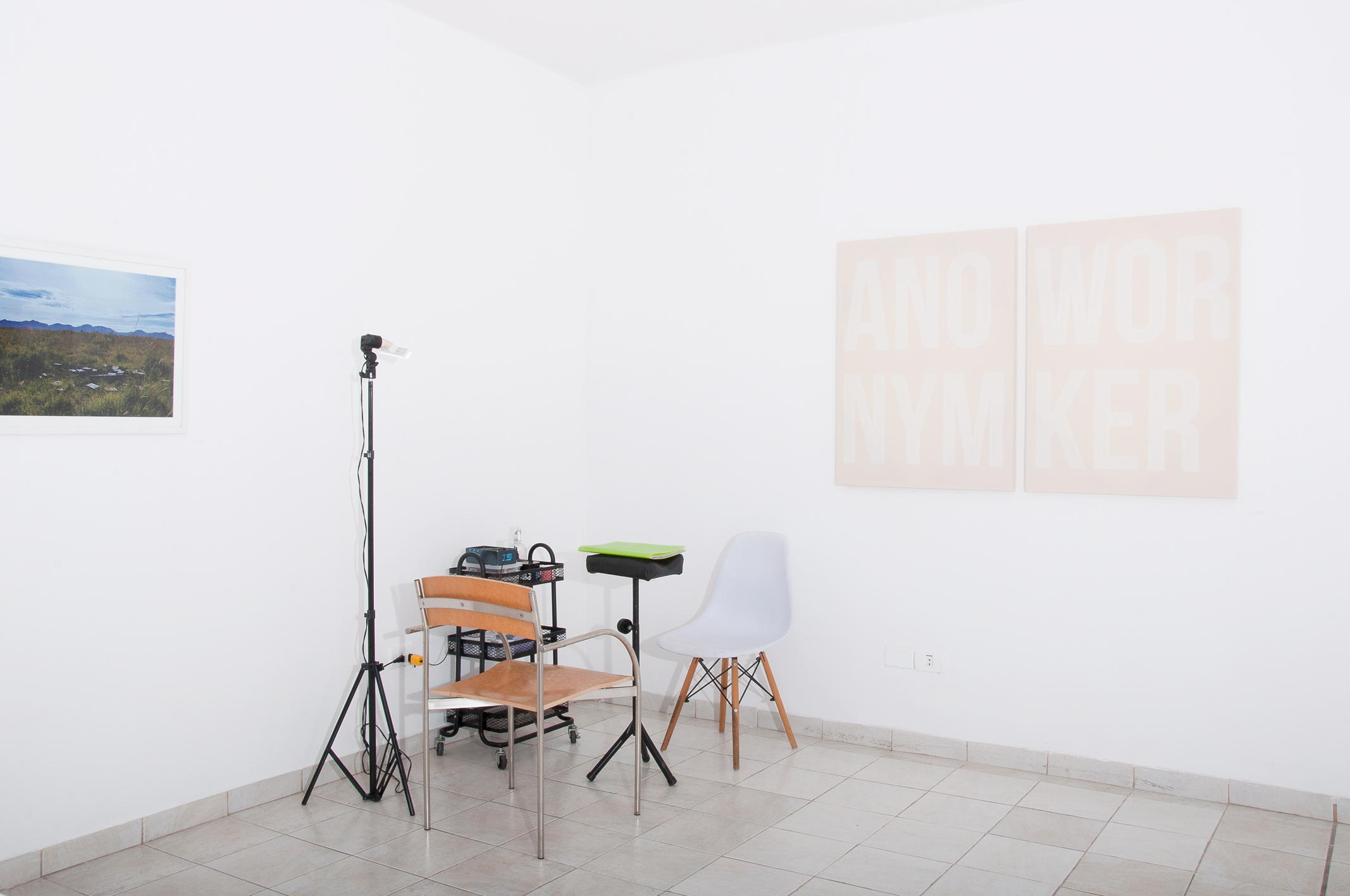
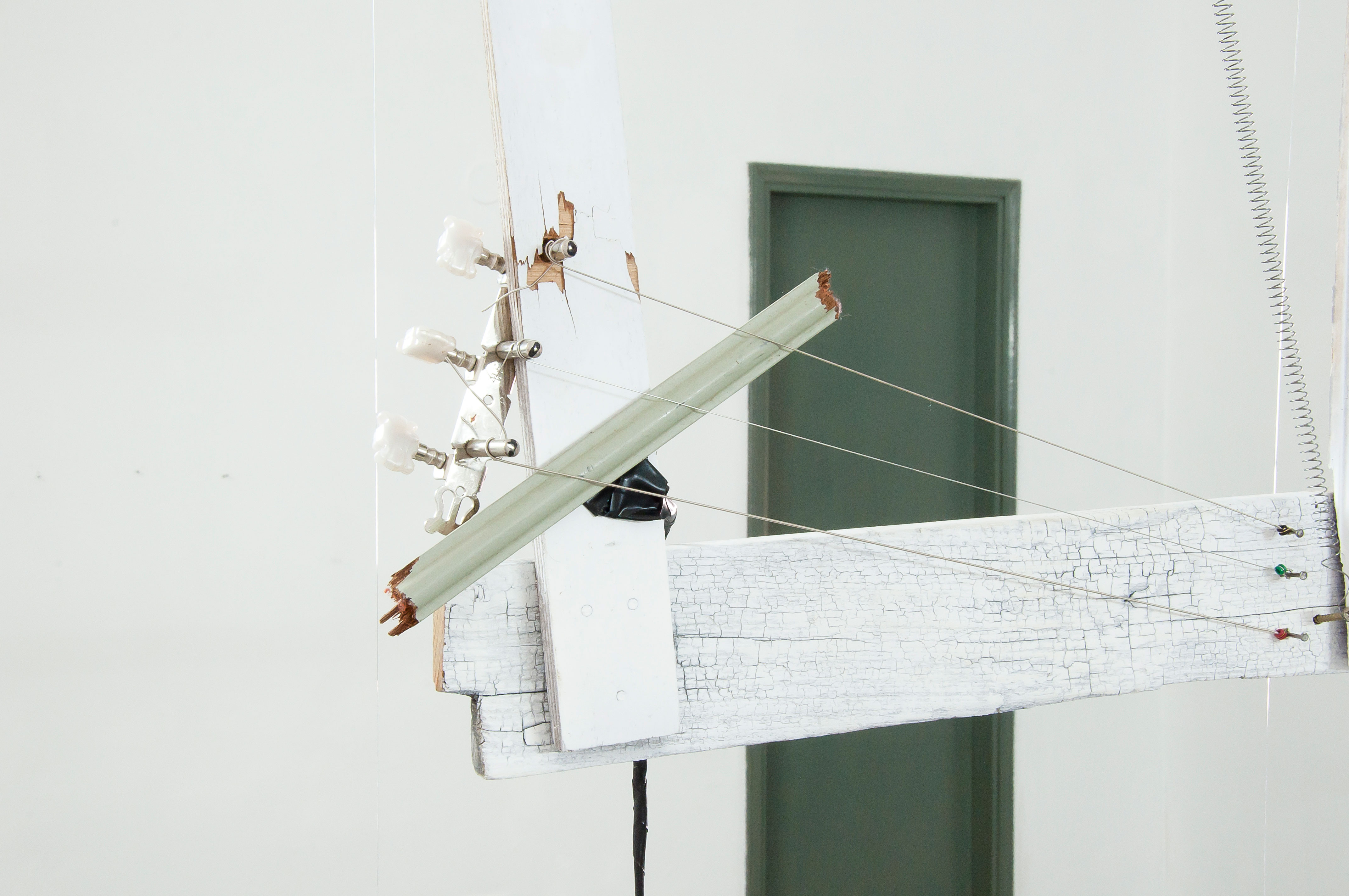
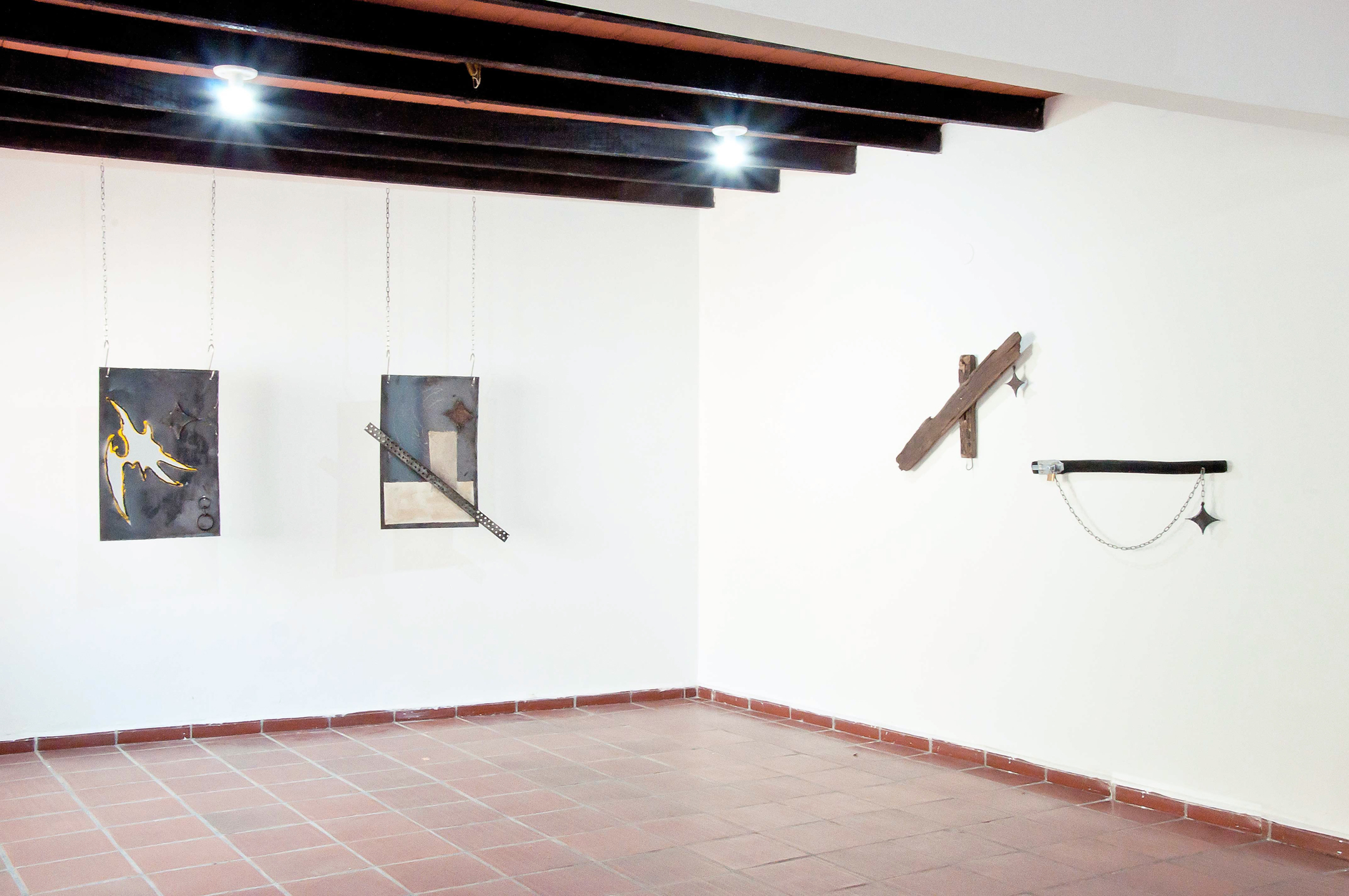
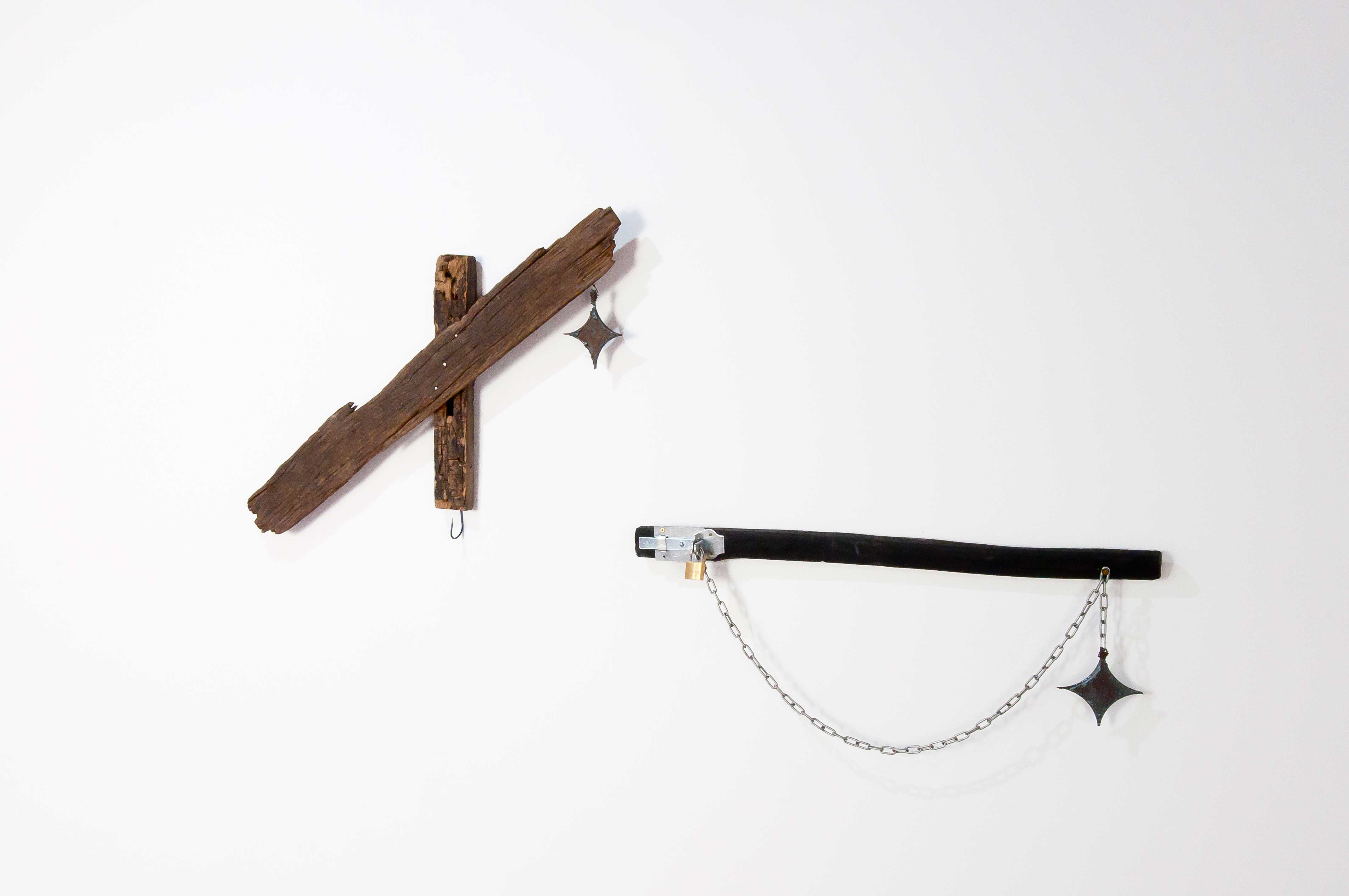
Exhibition view of works by artist Nico Mierda.


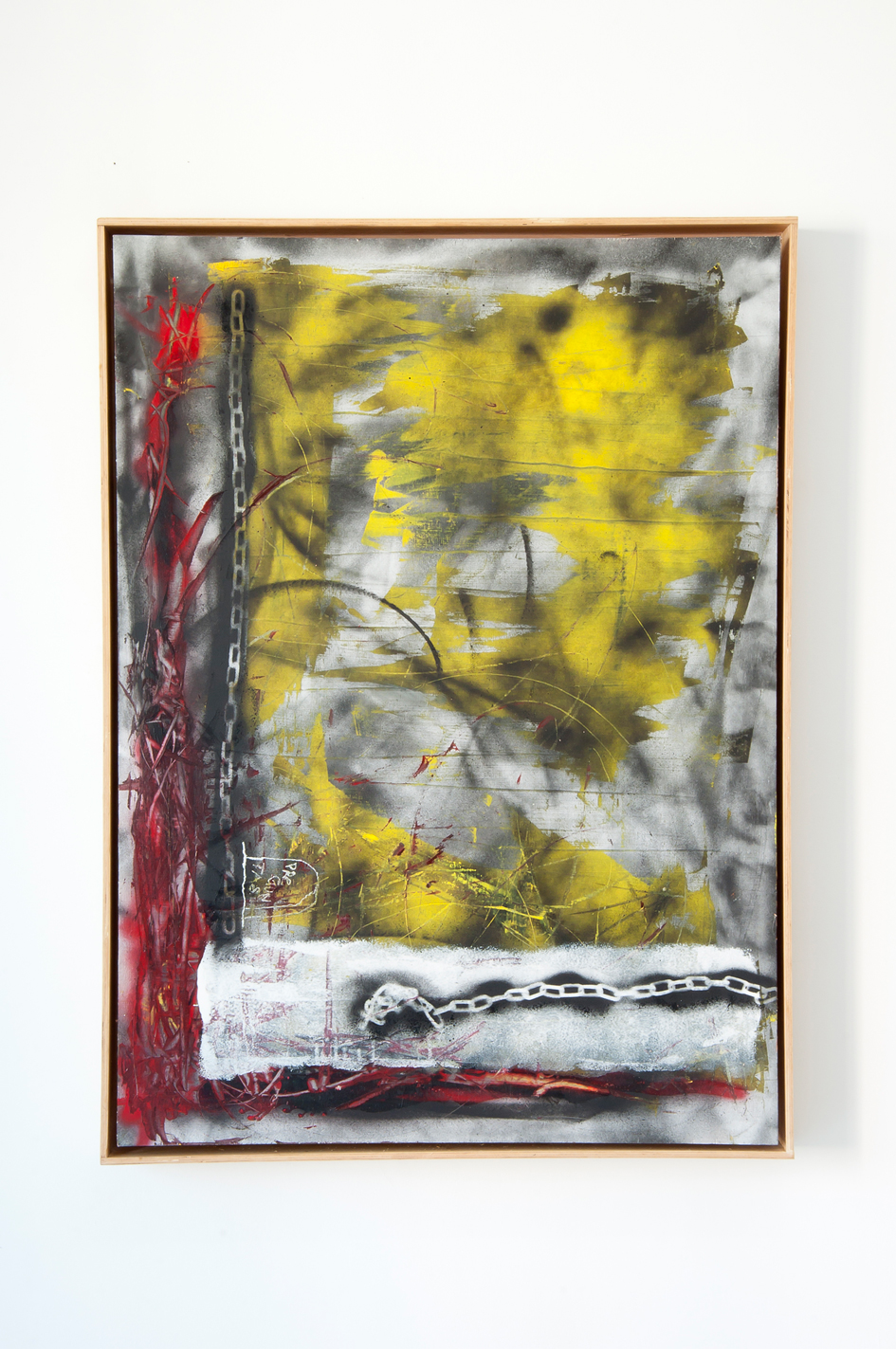
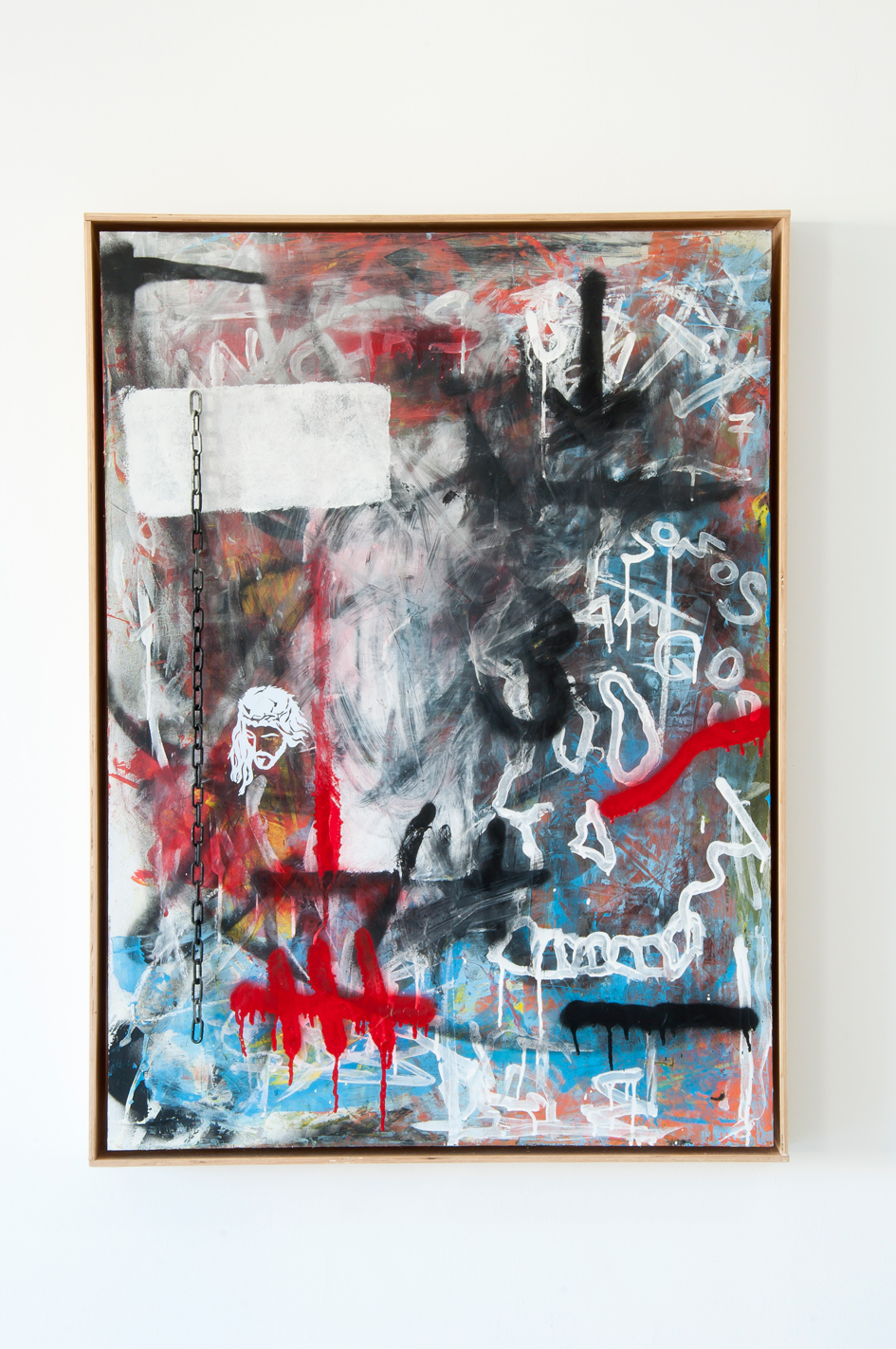
Cristo de anzuelo, Wood, Metal, 74 x 87 cm, Nico Mierda, 2023 & Fragil Encierro, Wood, Metal, 42 x 125 cm, Nico Mierda, 2023


EN.
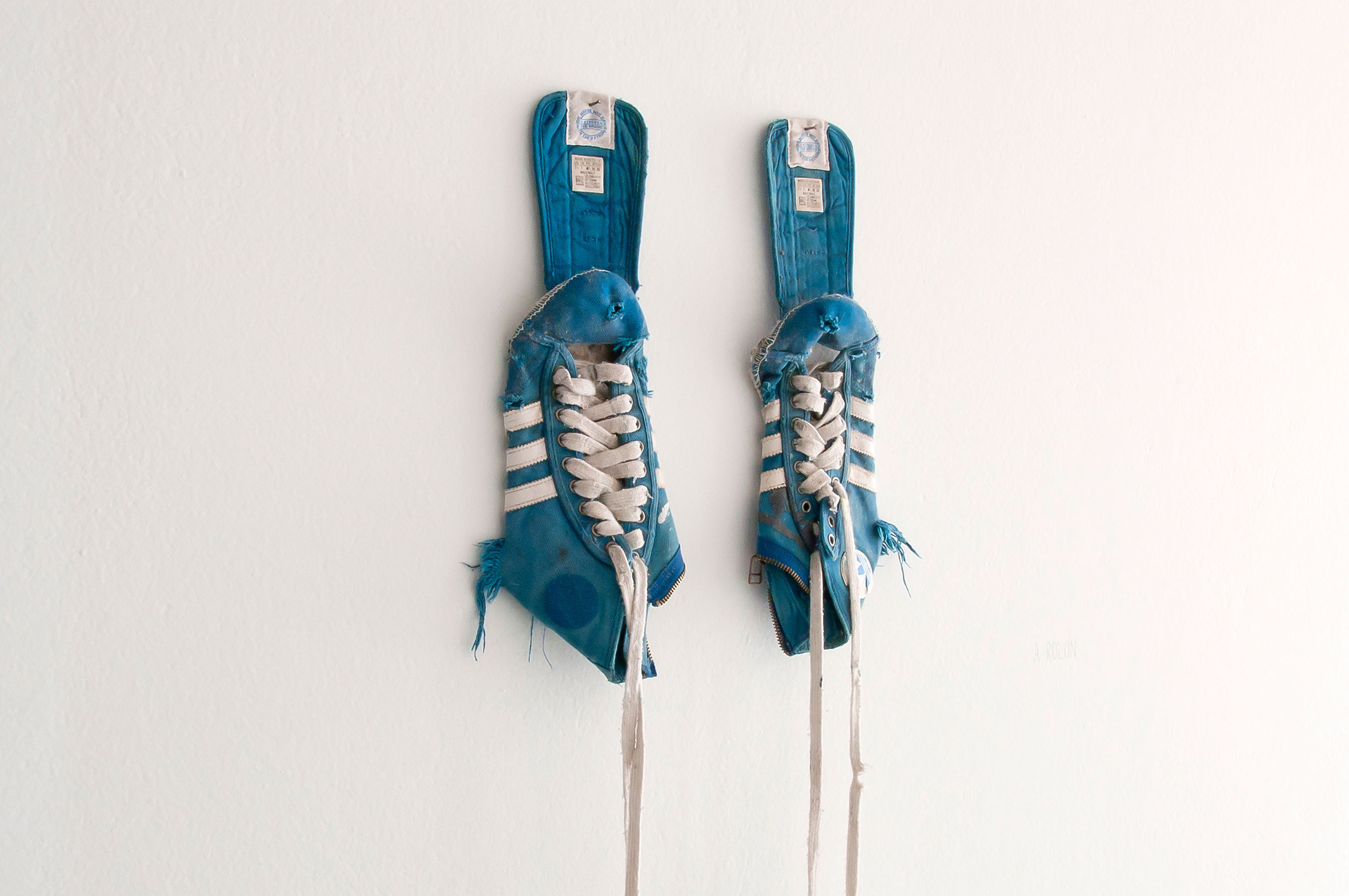
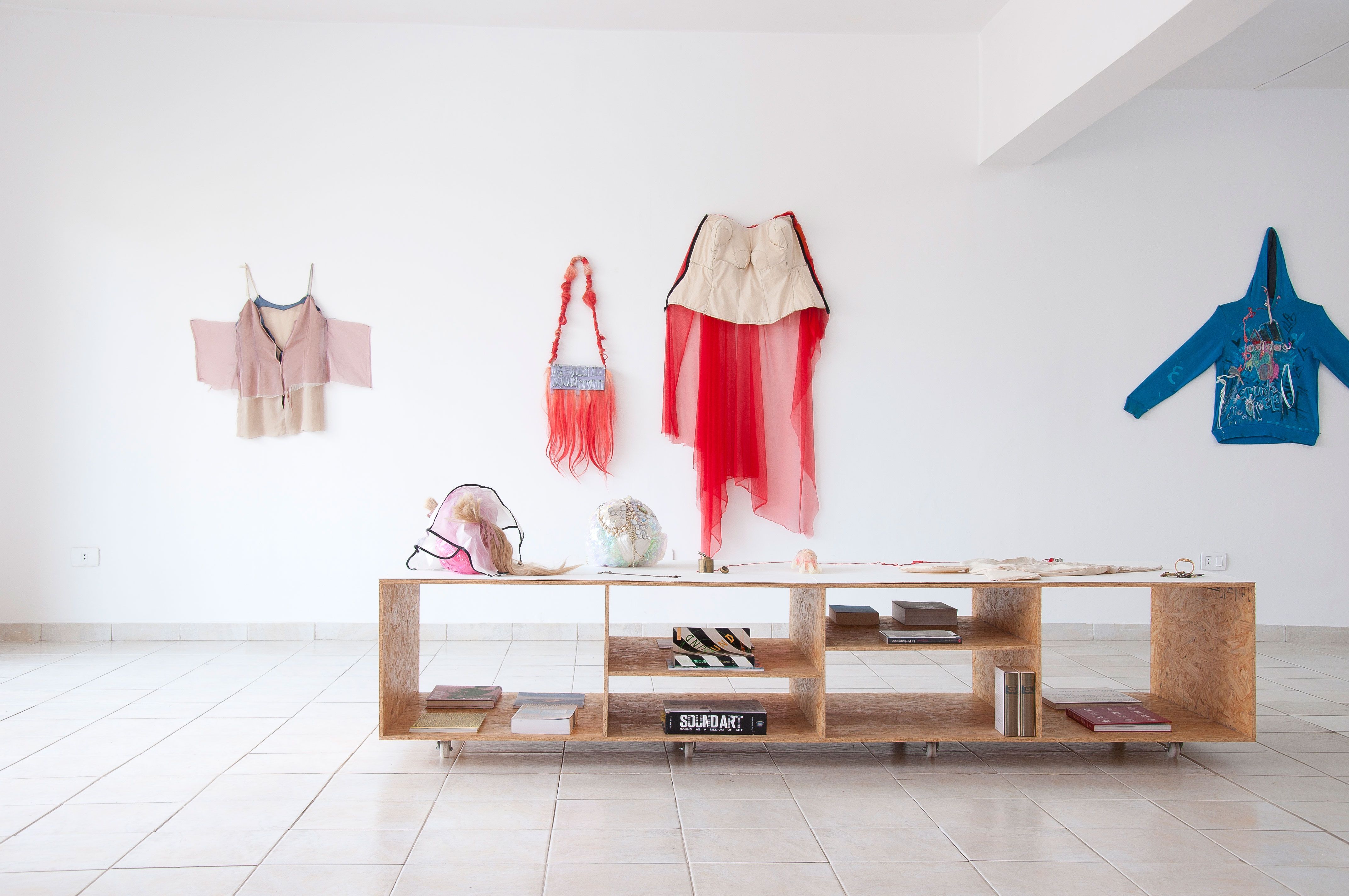
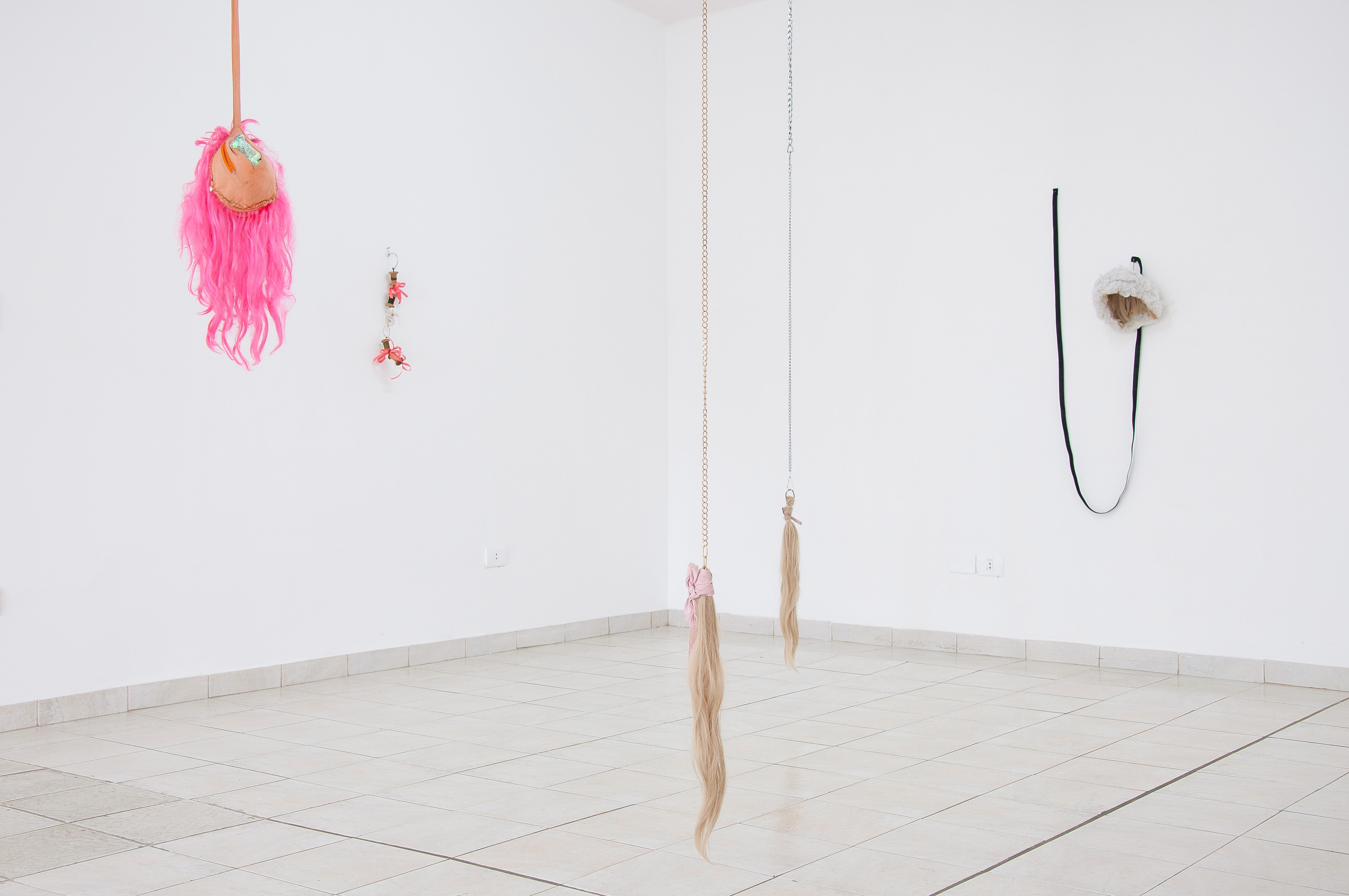
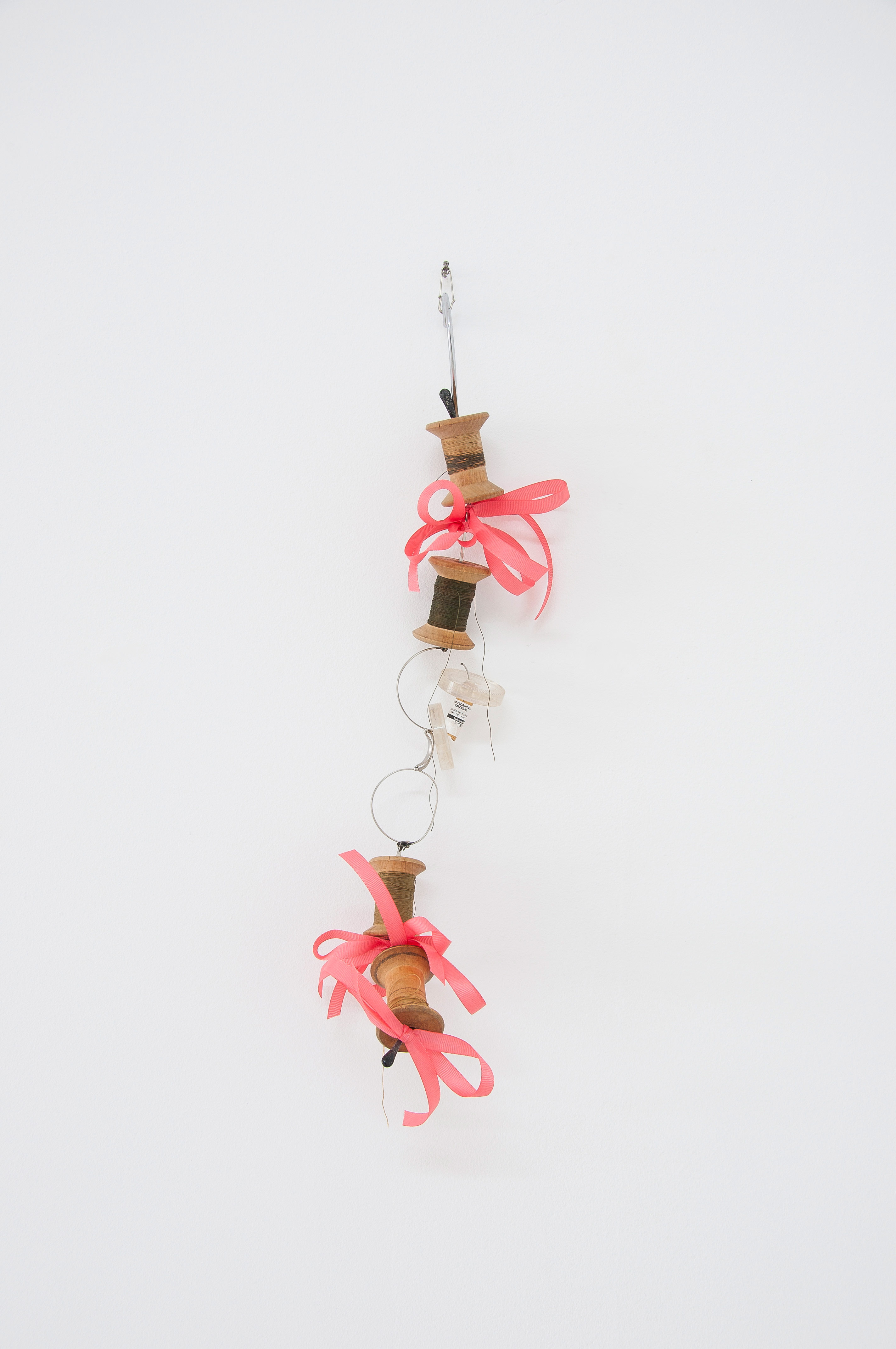
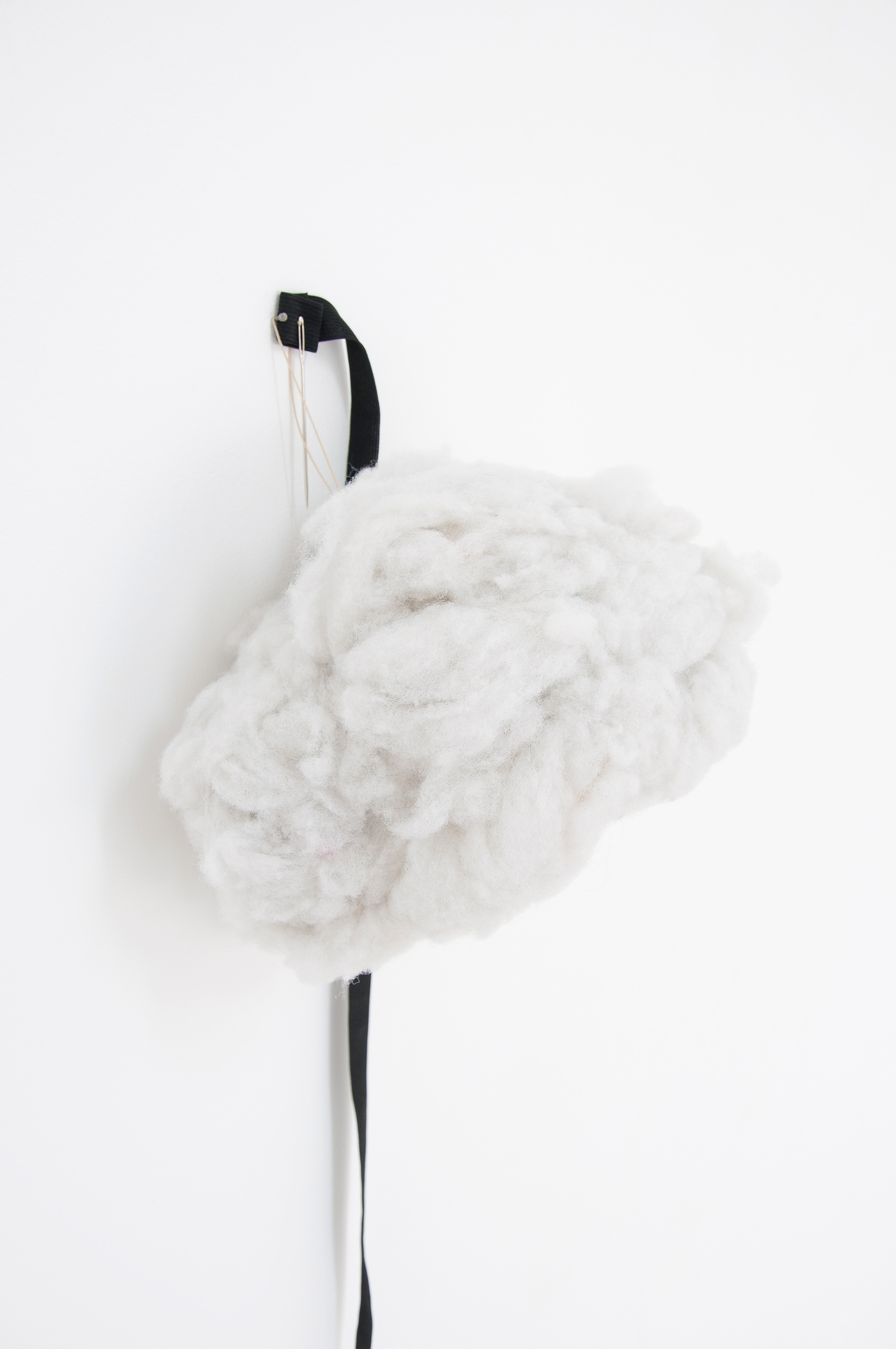
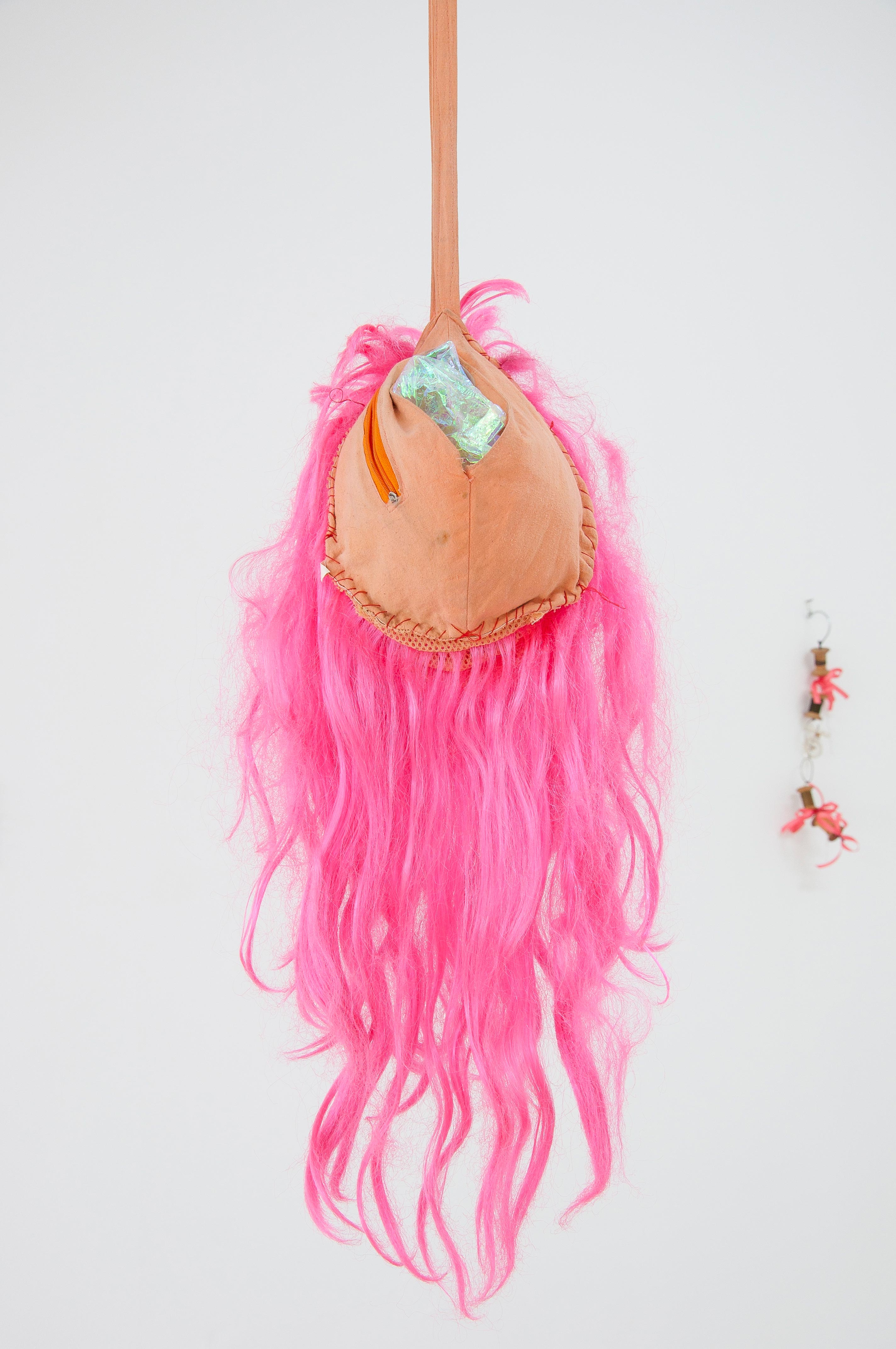
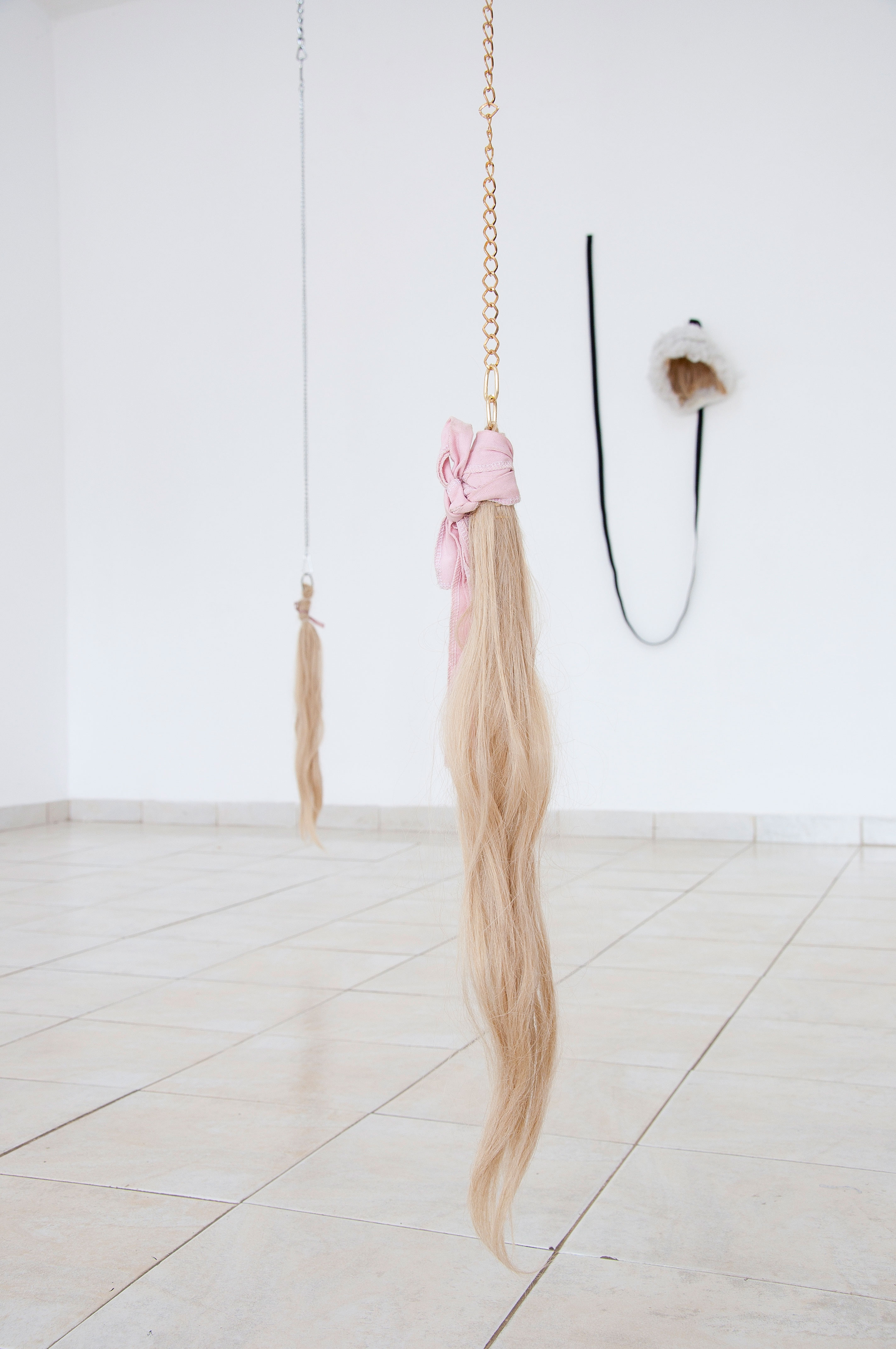
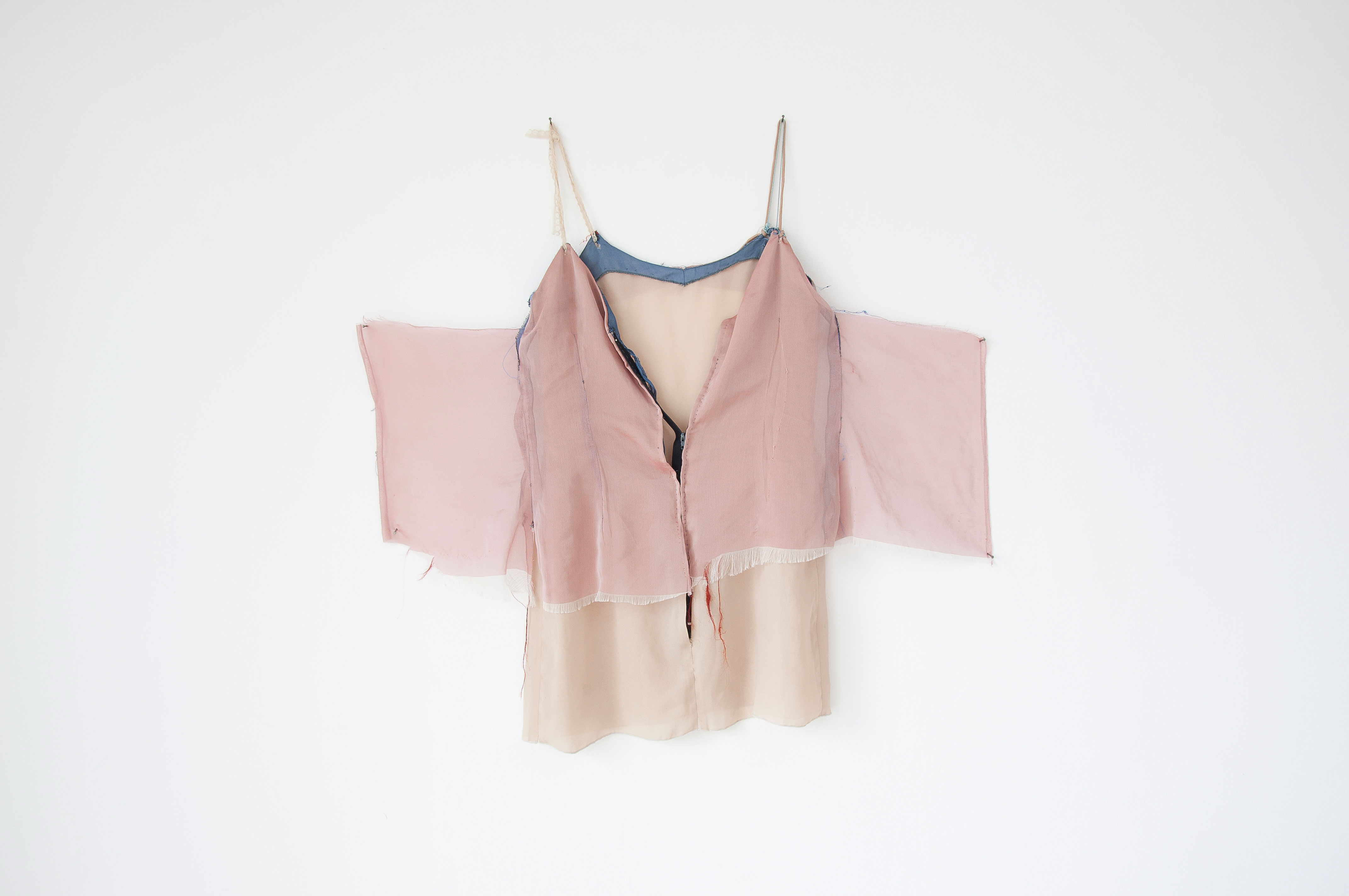
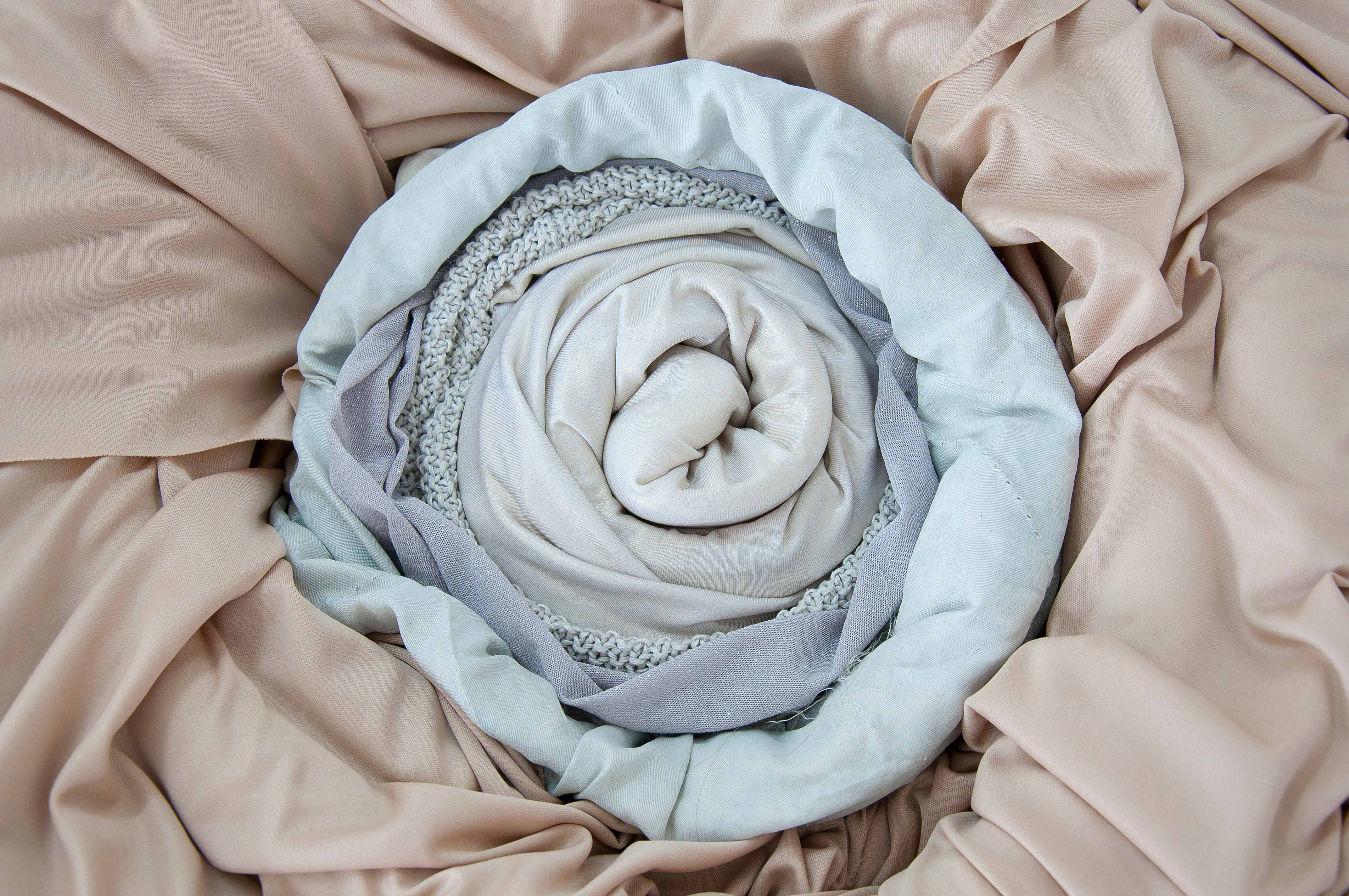
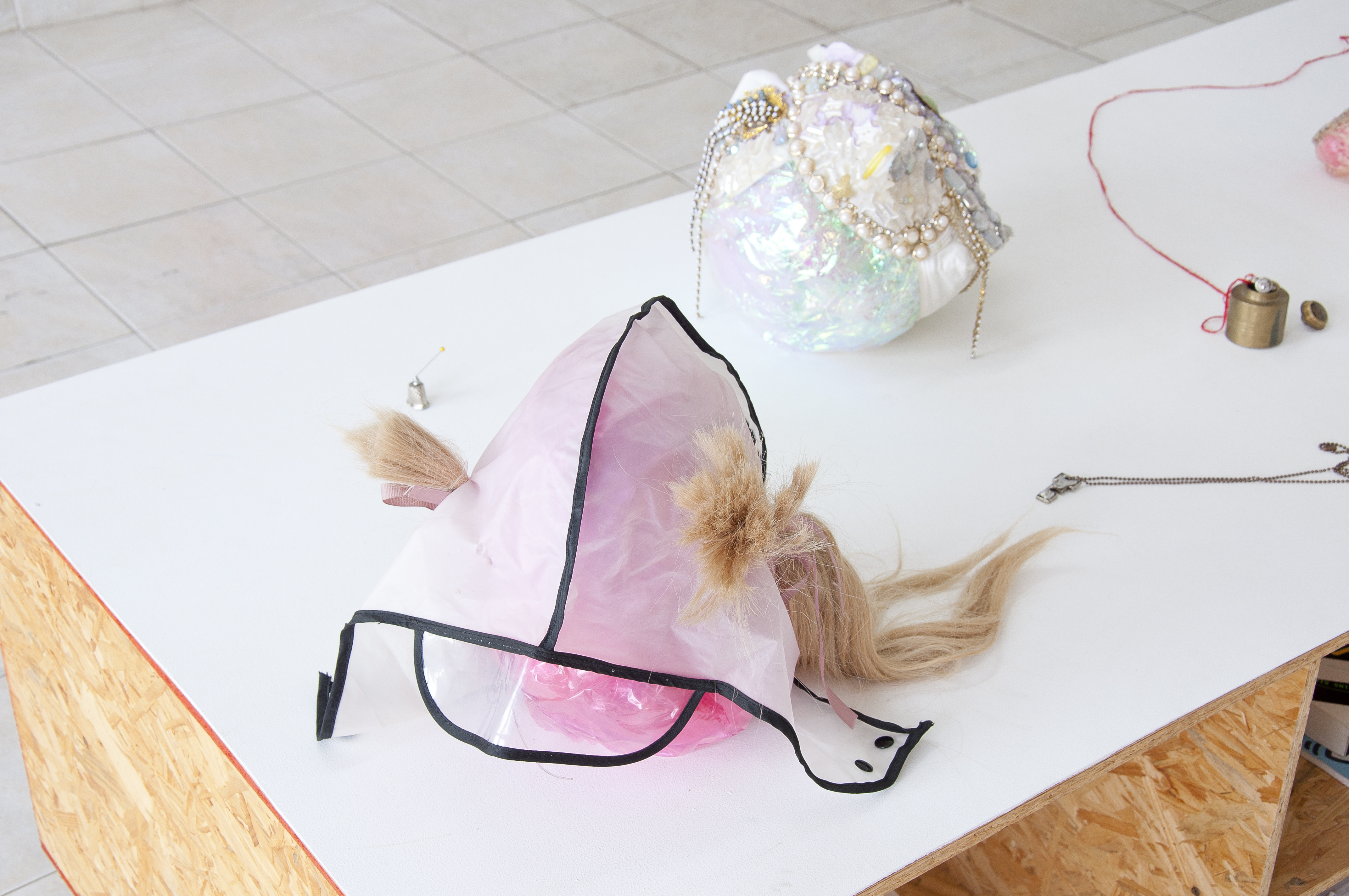
Andre comes from a fashion background but he decided early on to take his practice closer to the visual arts as he saw fashion design often to be an alienating system used to represent the body in a unidimensional way for comercial purposes. He uses art as a way of knowledge by putting the fashion world's complex and hermetic representations in a distance, questioning the hegemony of an imposed model. She explores the connections between subject and object, taking the viewer to the limits of its corporality. Her pieces lose their body in the creative process. They are emptied and sometimes flattened. The fabric parts are cut, reshaped and reassembled, resulting in a serie of sculptural works opening the possibility for the body to be as he pleases. Andre tries to apprehend and to understand a mental experience that is at the same time esthetical and political. The artefacts created are carefully composed representations of a possible new world trough new esthetical forms. They are the materialization of a thought, an ode to variety.
ES.
Andre proviene del ambito de la moda, pero desde el principio decidió acercar su práctica a las artes visuales, ya que veía el diseño de moda a menudo siendo un sistema alienante utilizado para representar el cuerpo de forma unidimensional con fines comerciales. Utiliza el arte como forma de conocimiento, alejando las complejas y herméticas representaciones del mundo de la moda, cuestionando la hegemonía de un modelo impuesto. Explora las conexiones entre sujeto y objeto, llevando al espectador a los límites de su corporalidad. Sus piezas pierden cuerpo en el proceso creativo. Están vaciadas y en ocasiones aplanadas. Las partes de tejido se cortan, se remodelan y se vuelven a ensamblar, dando como resultado una serie de trabajos escultóricos que abren la posibilidad de que el cuerpo sea como le plazca. Andre intenta aprehender y comprender una experiencia mental que es al mismo tiempo estética y política. Los artefactos creados son representaciones cuidadosamente compuestas de un posible nuevo mundo a través de nuevas formas estéticas. Son la materialización de un pensamiento, una oda a la variedad.


Exhibition view.


Exhibition view.


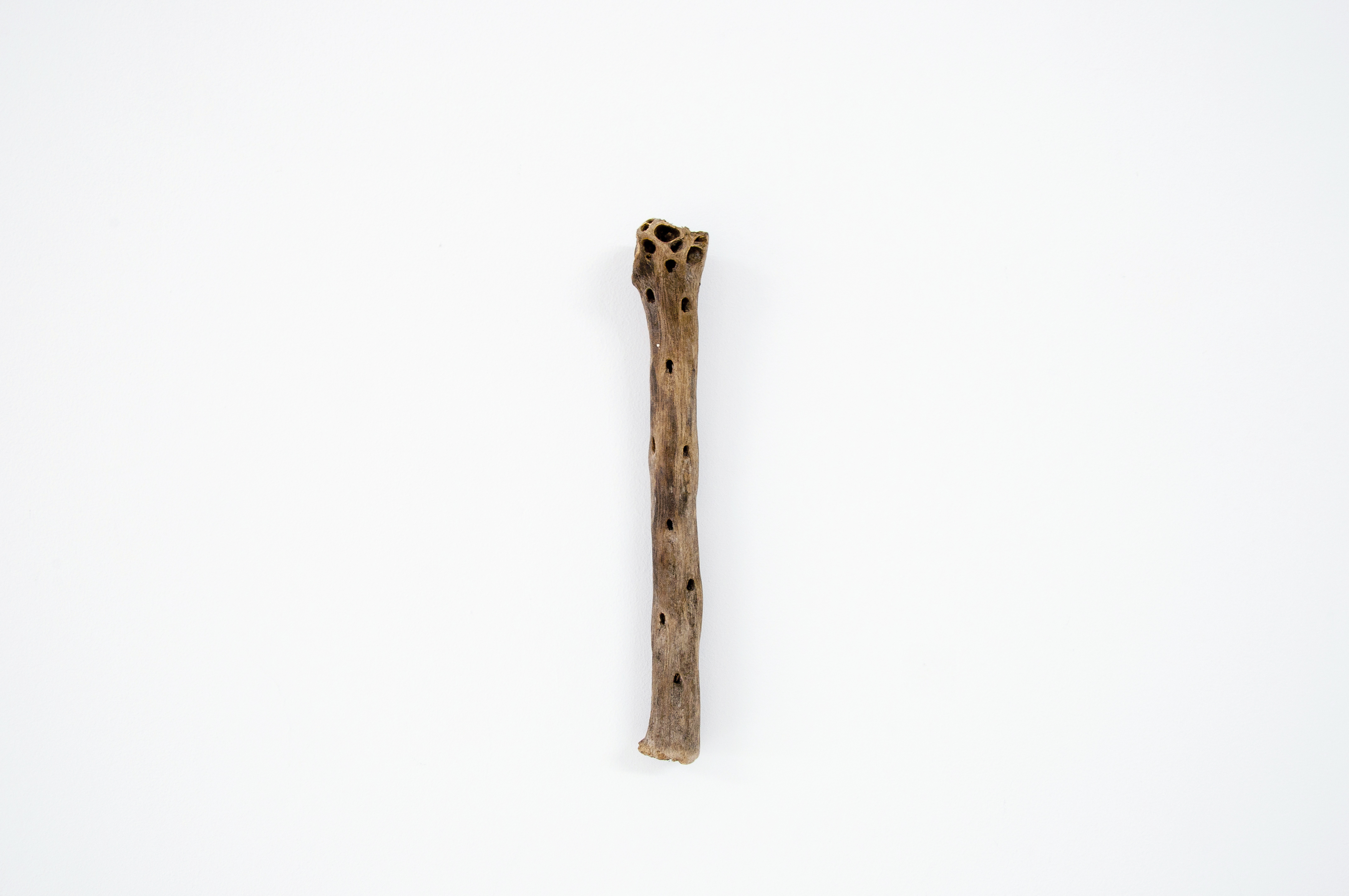
Medula, fabric, wood, metal, 27 x 4 x 3 cm, Andre Rolon, 2024
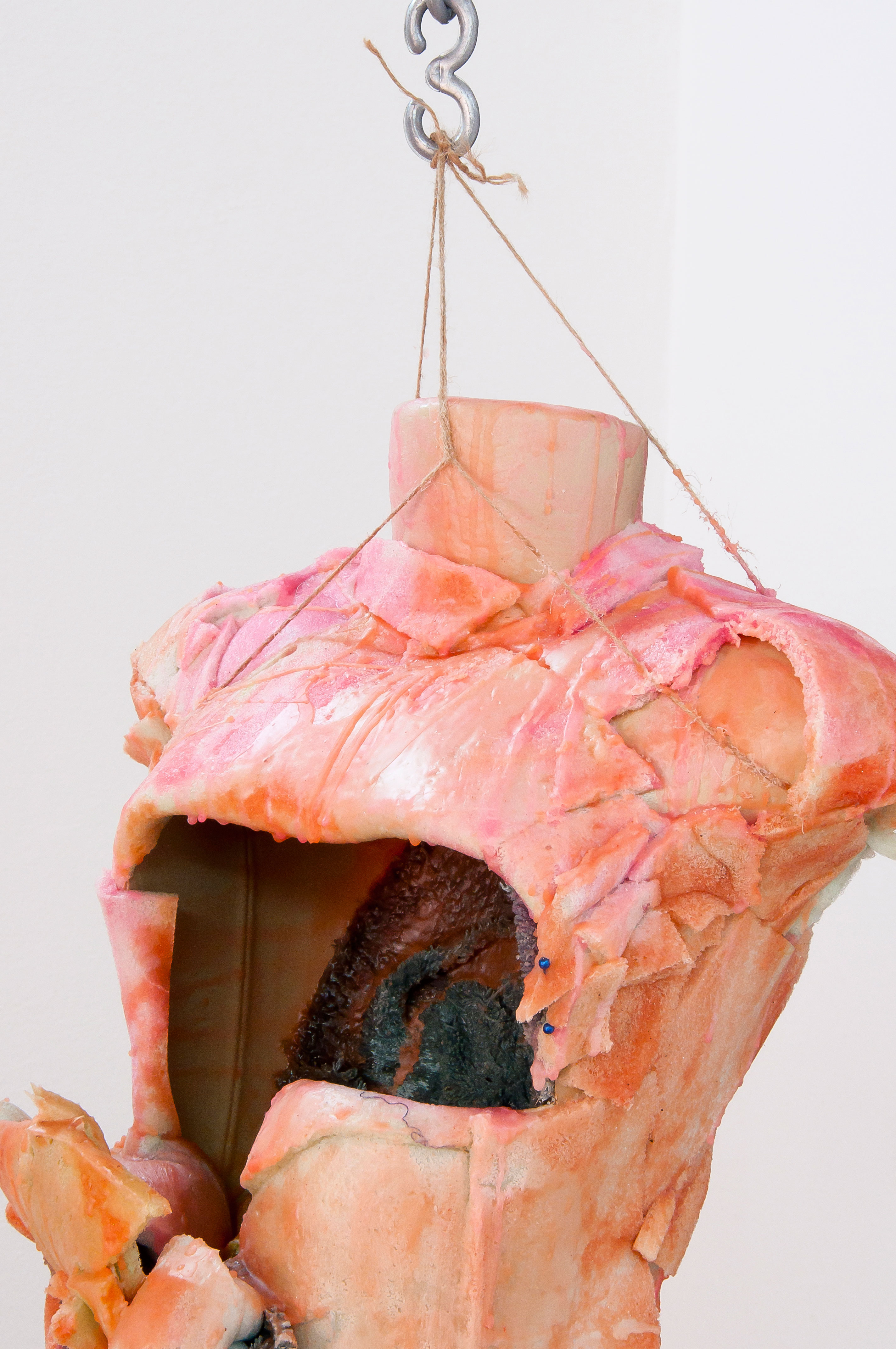
Zen Brain, synthetic hair, polyurethane, 30 x 21 x 300 cm, Andre Rolon, 2024


Zen Brain II, fabric, synthetic hair, polyurethane, 37 x 33 x 56 cm, Andre Rolon, 2024
Siamesa, fabric, synthetic hair, metal, 290 x 4 x 3 cm, Andre Rolon, 2024


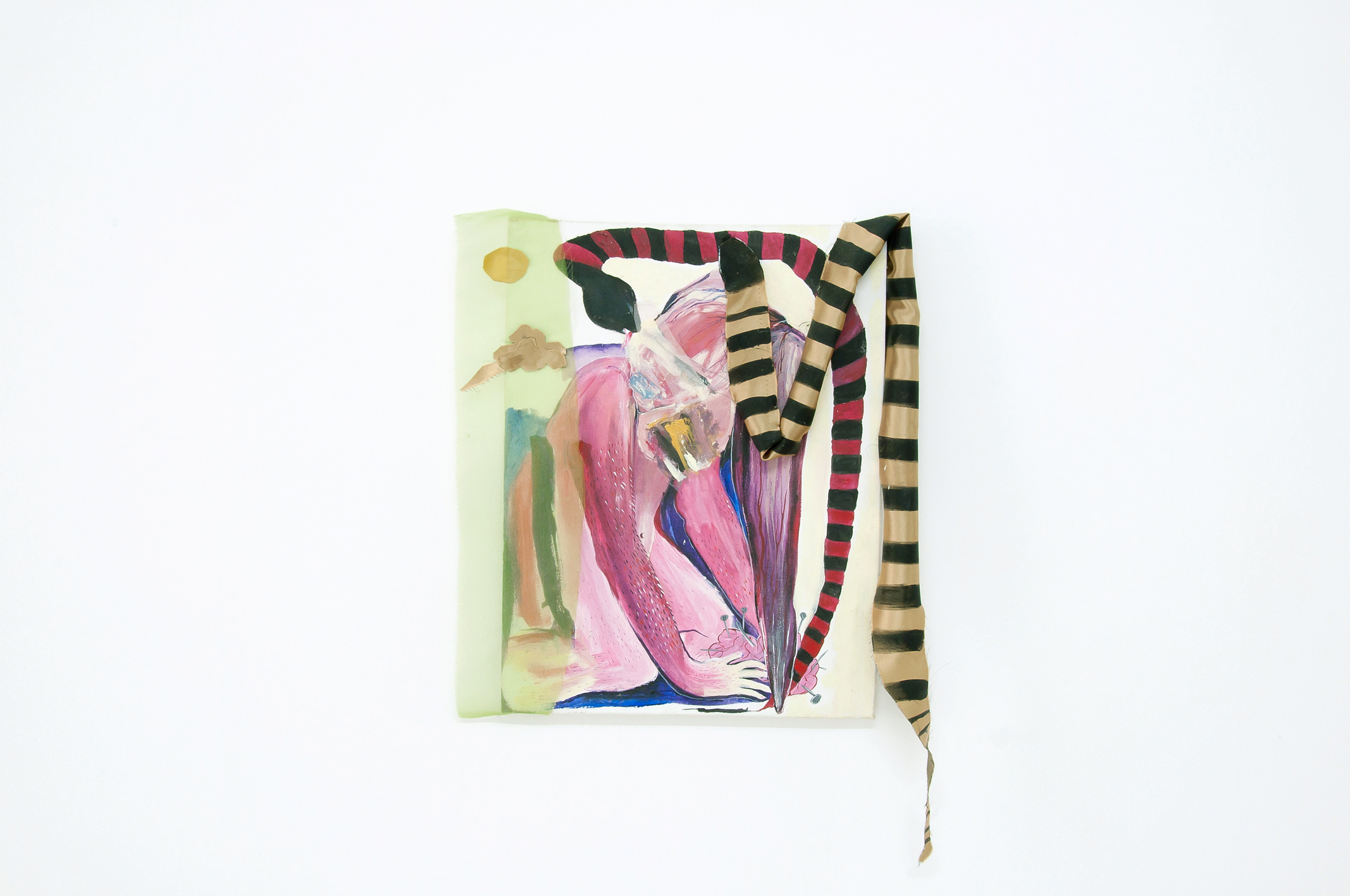
Madraykin, fabric, 78 x 93 cm, Andre Rolon, 2024


Osso Bucco, fabric, polyrethane, 37 x 98 x 94 cm, Andre Rolon, 2024


Let's eat grandma, fabric, polyrethane, 28 x 27 x 33 cm, Andre Rolon, 2024


EN.
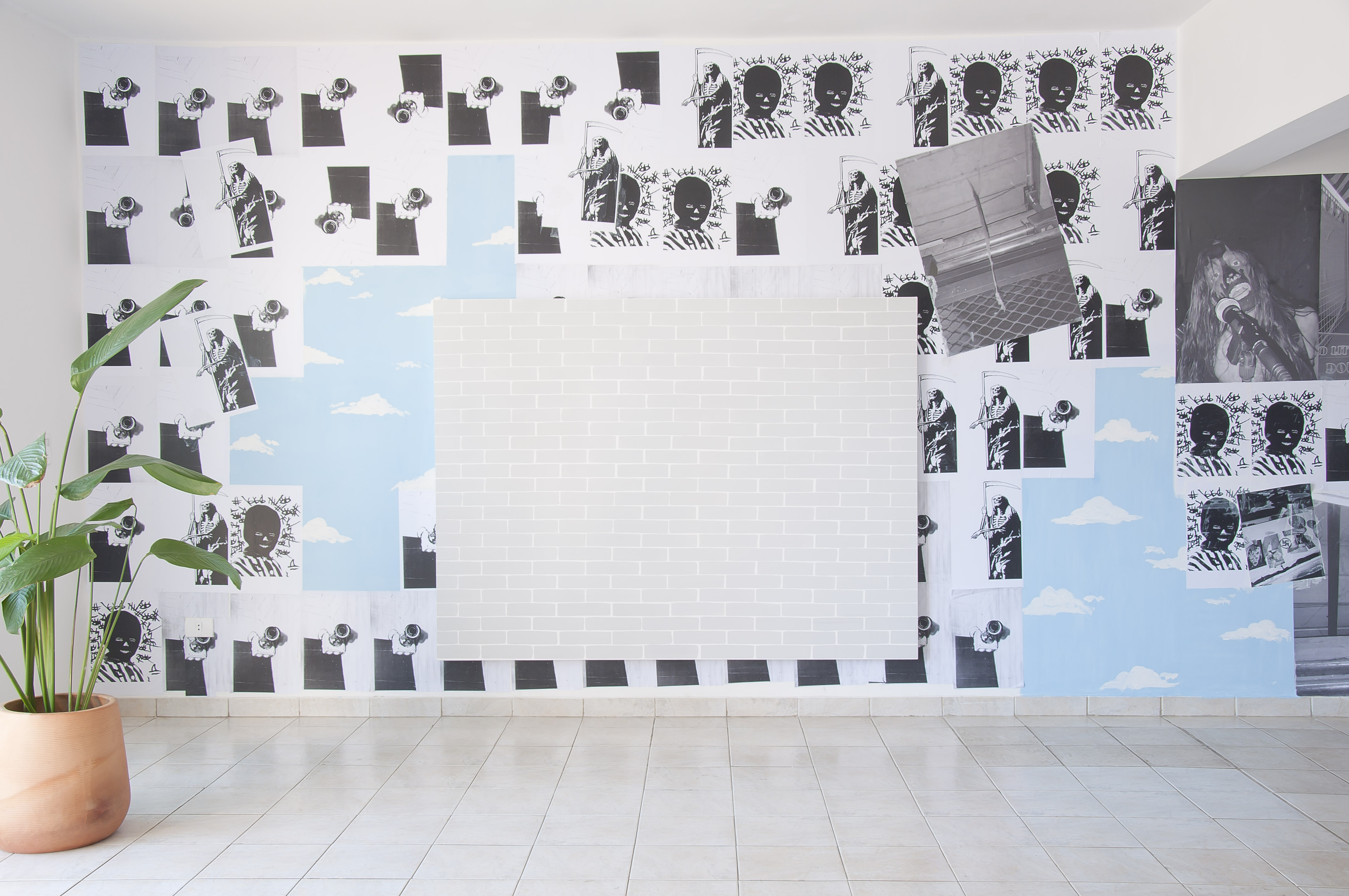
Five artists were invited to intervene freely in our space during a week and without pre established rules except the space itself and the timing of the event. We found it interesting to proceed from a blank sheet and without expectations, far from the norms that usually govern cultural manifestations. In the manner of a cook preparing a dinner, knowing his favourite ingredients, the artists offer us their vision.
ES.
Cinco artistas fueron invitados a intervenir de manera libre en nuestro espacio durante una semana y sin reglas preestablecidas excepto el espacio mismo y el tiempo impartido. Nos pareció interesante proceder con la hoja blanca y sin expectativas, lejos de las normas que suelen regir una manifestación cultural. A la manera de un cocinero que prepara una cena, conociendo sus ingredientes predilectos, los artistas nos ofrecen su visión.


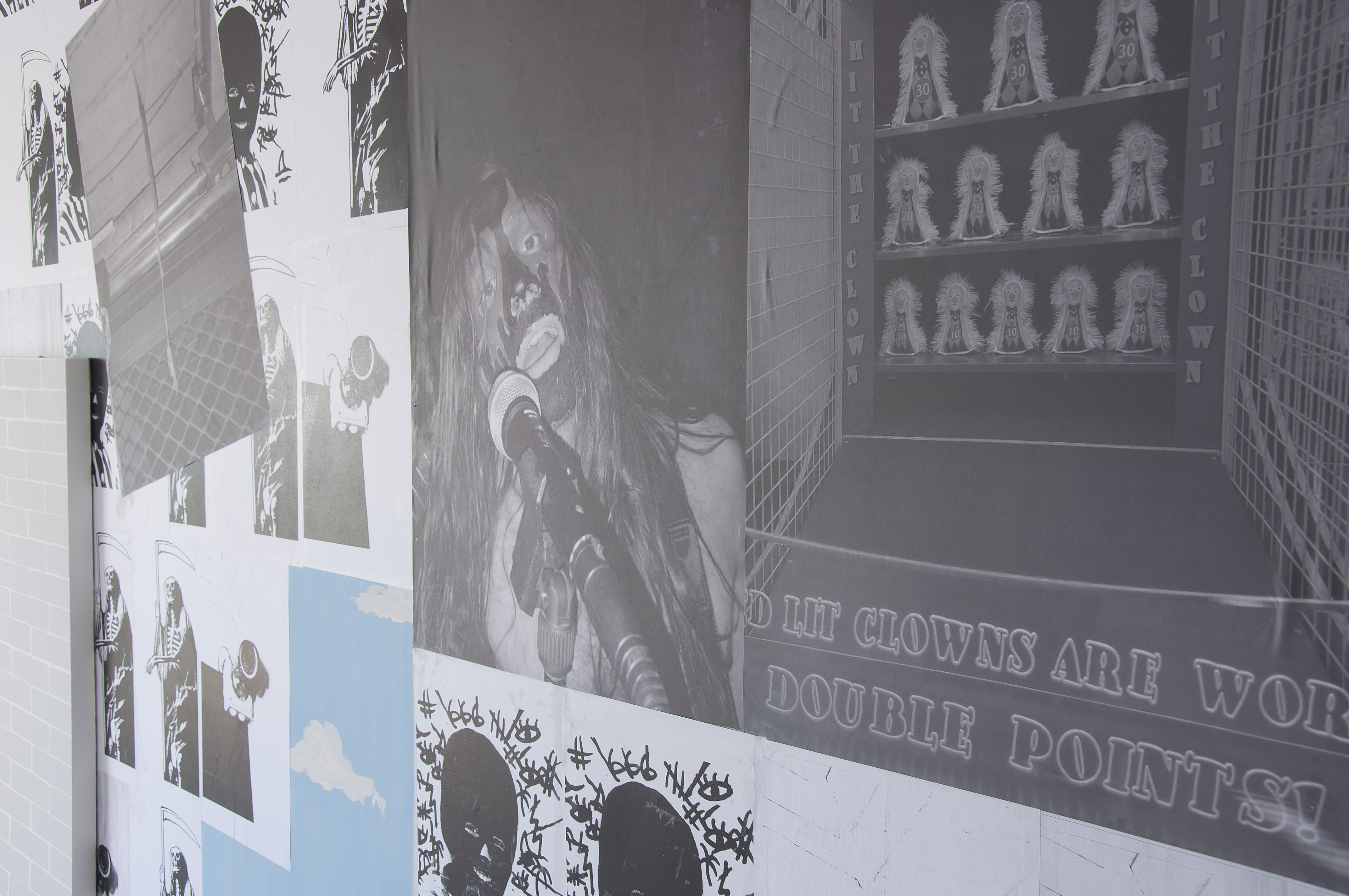
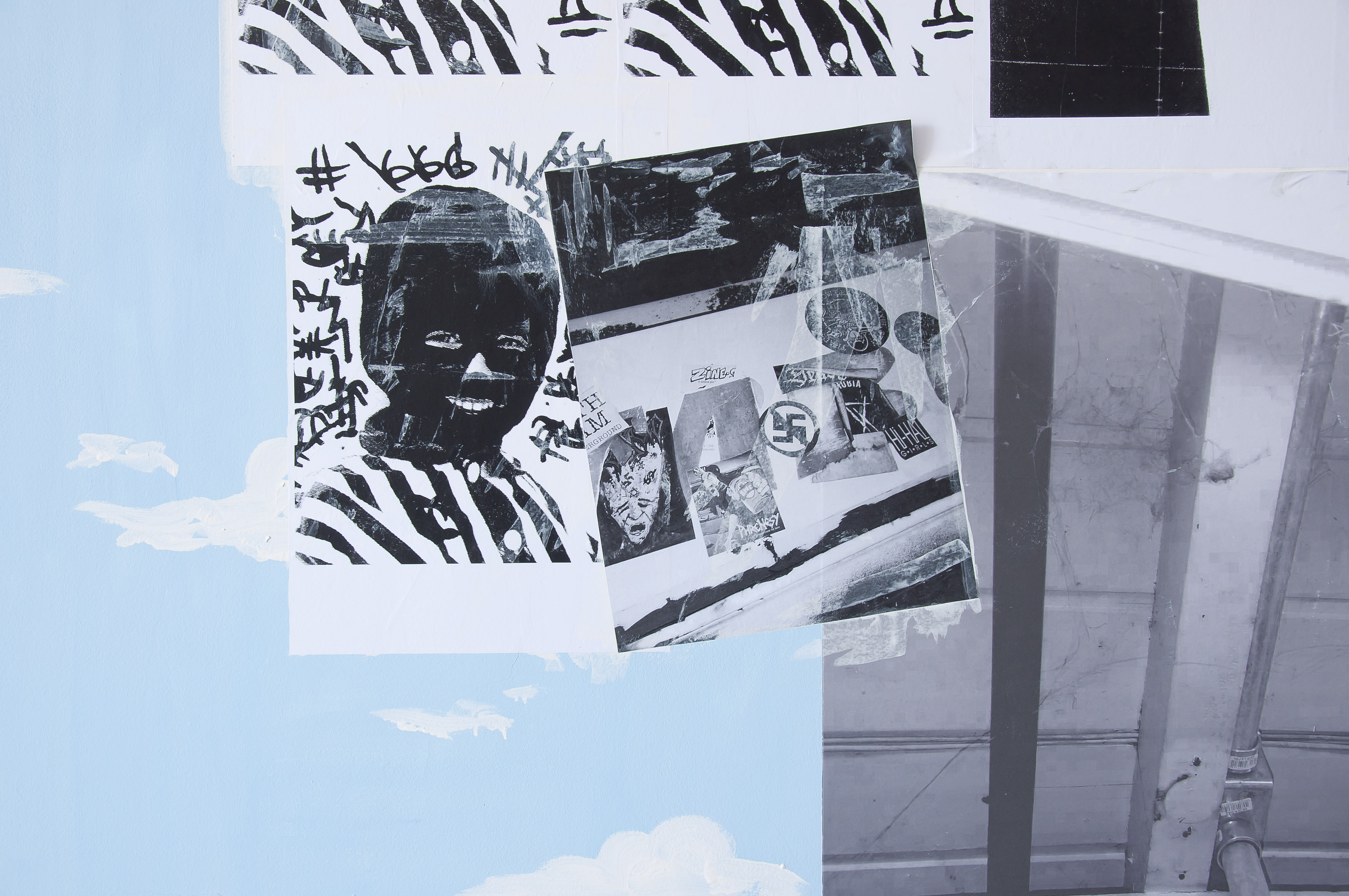
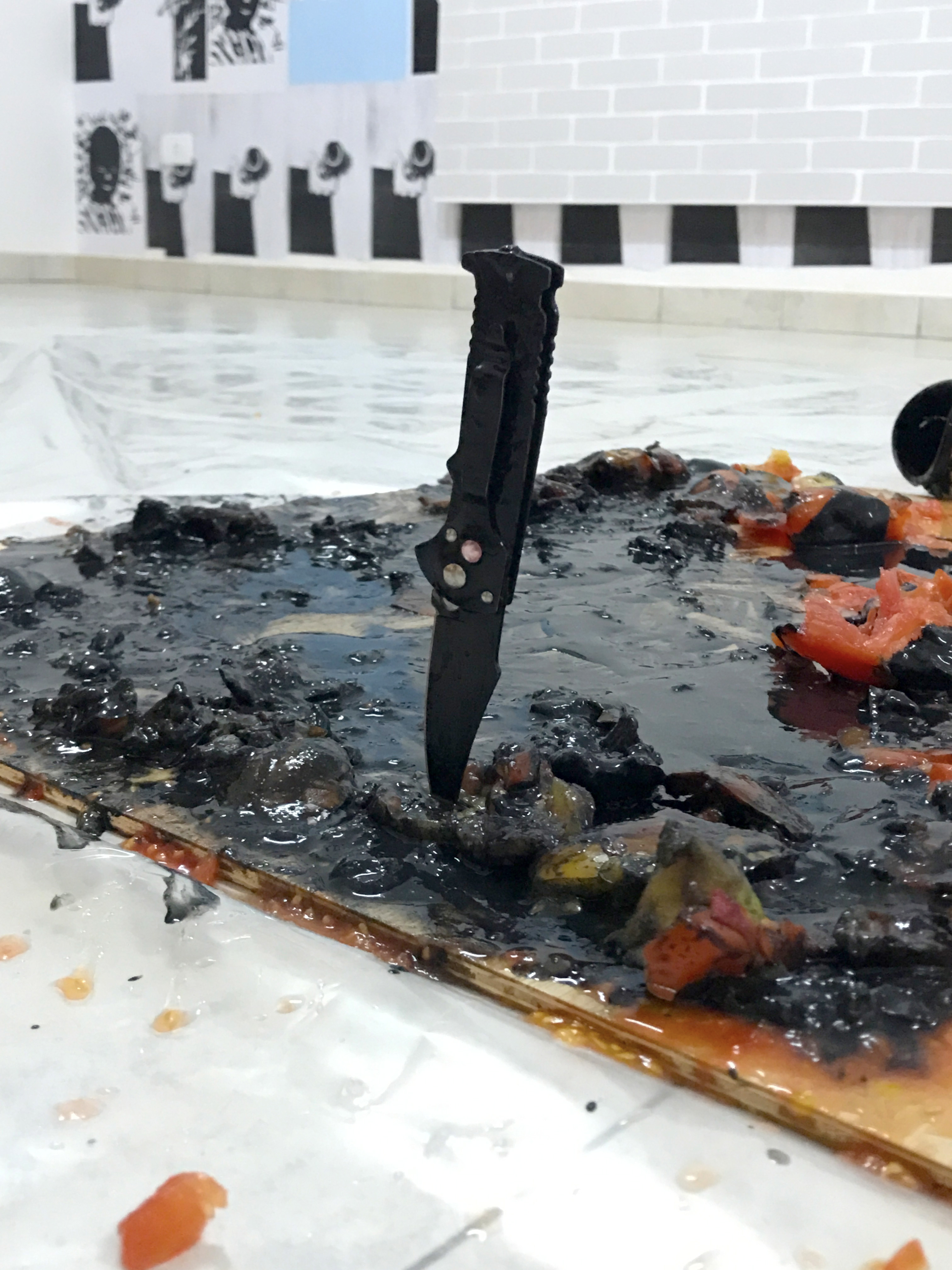
Untitled in-situ piece realised by Cecilia Avati, Nico Mierda and Gustavo Riego.


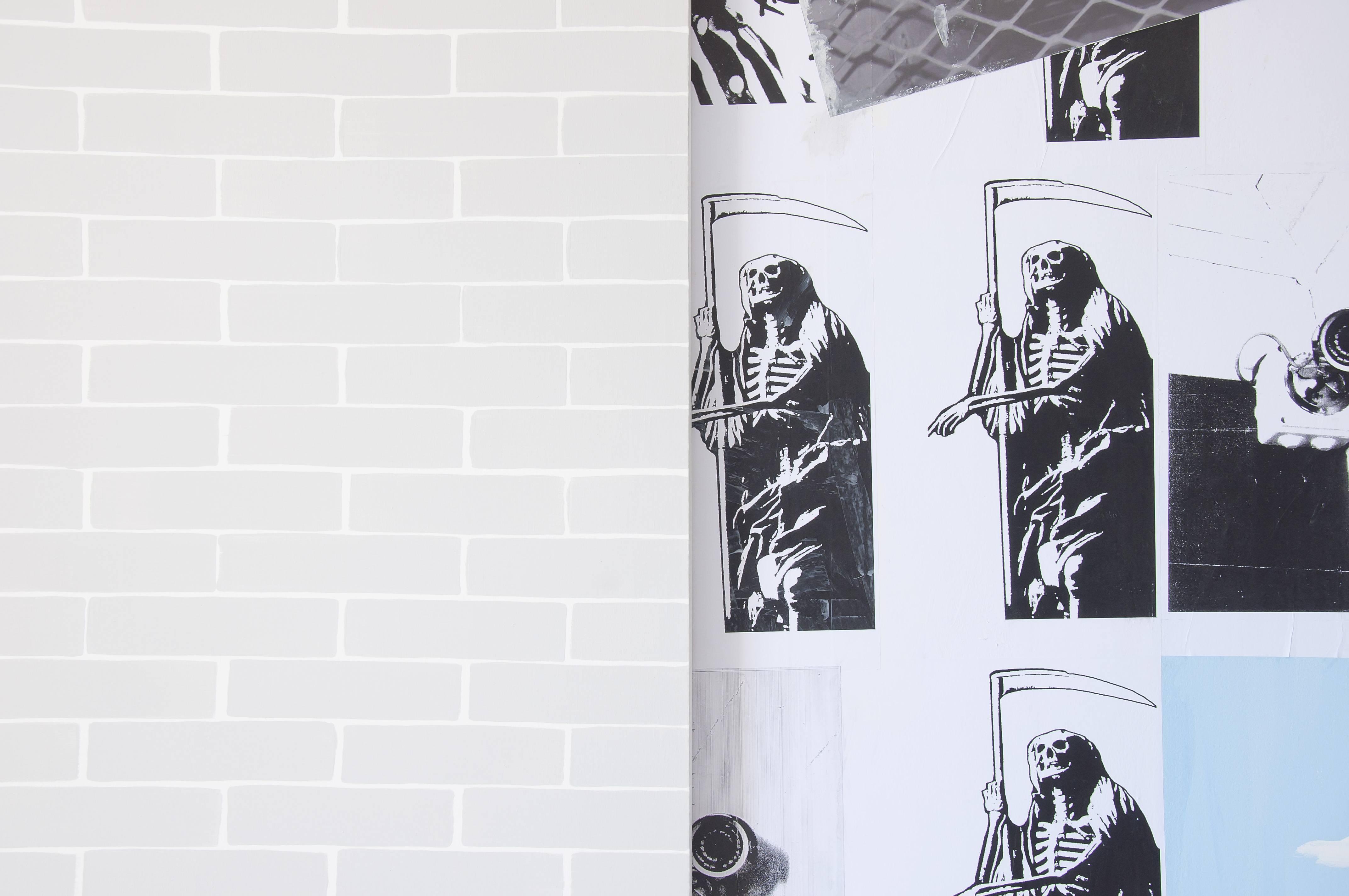
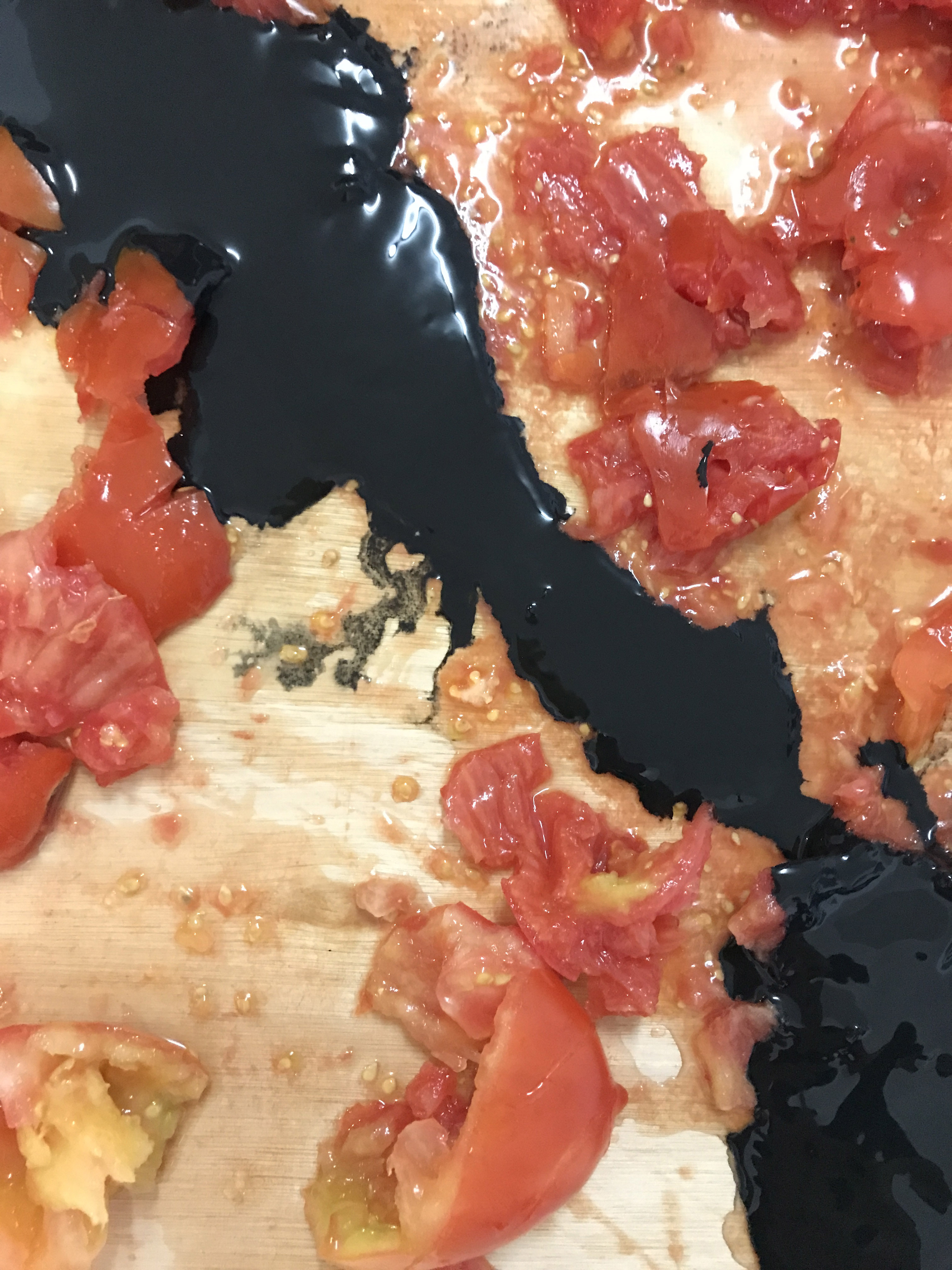
Details of the in-situ piece


Details of the in-situ piece


Details of the in-situ piece


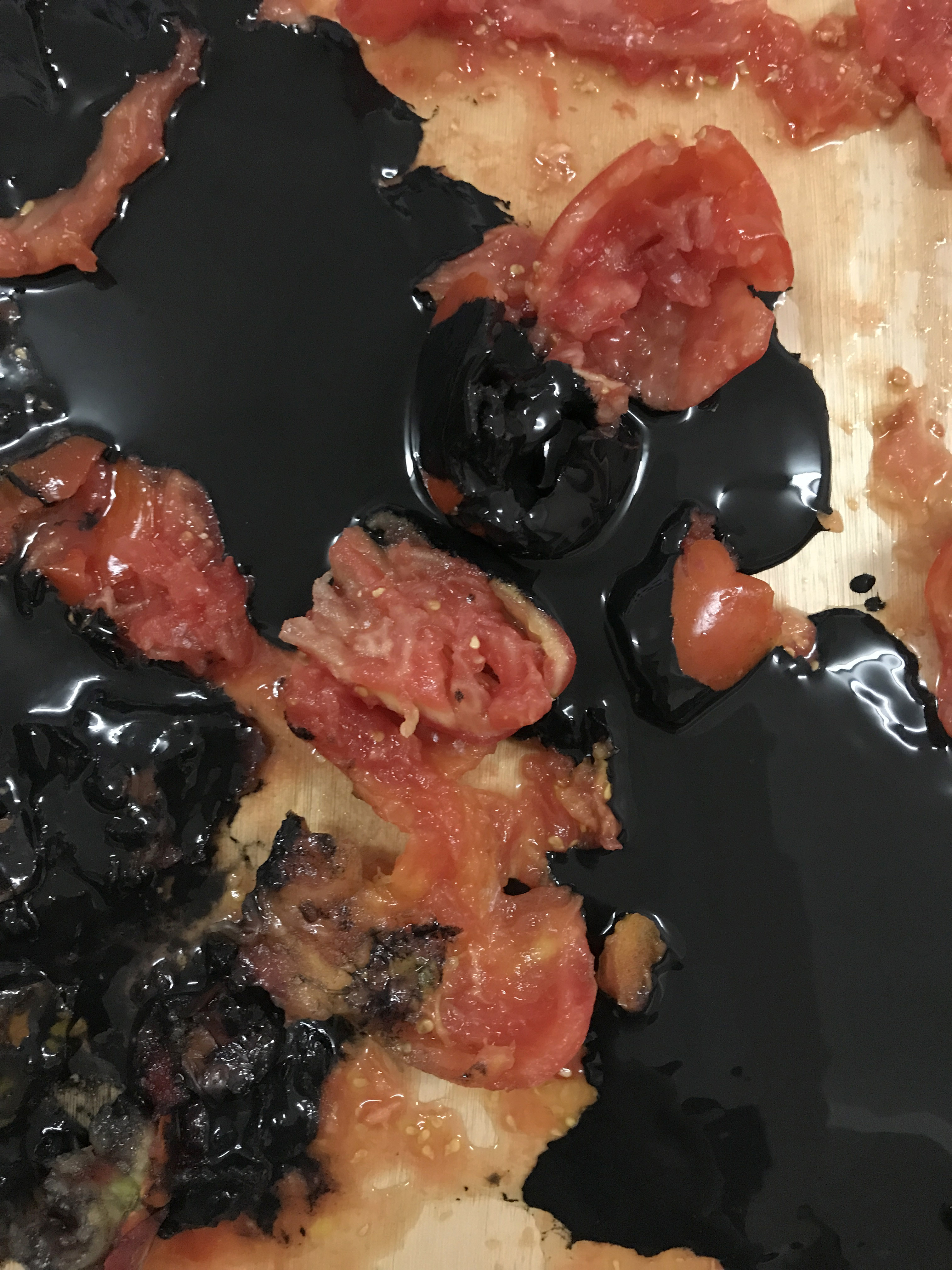
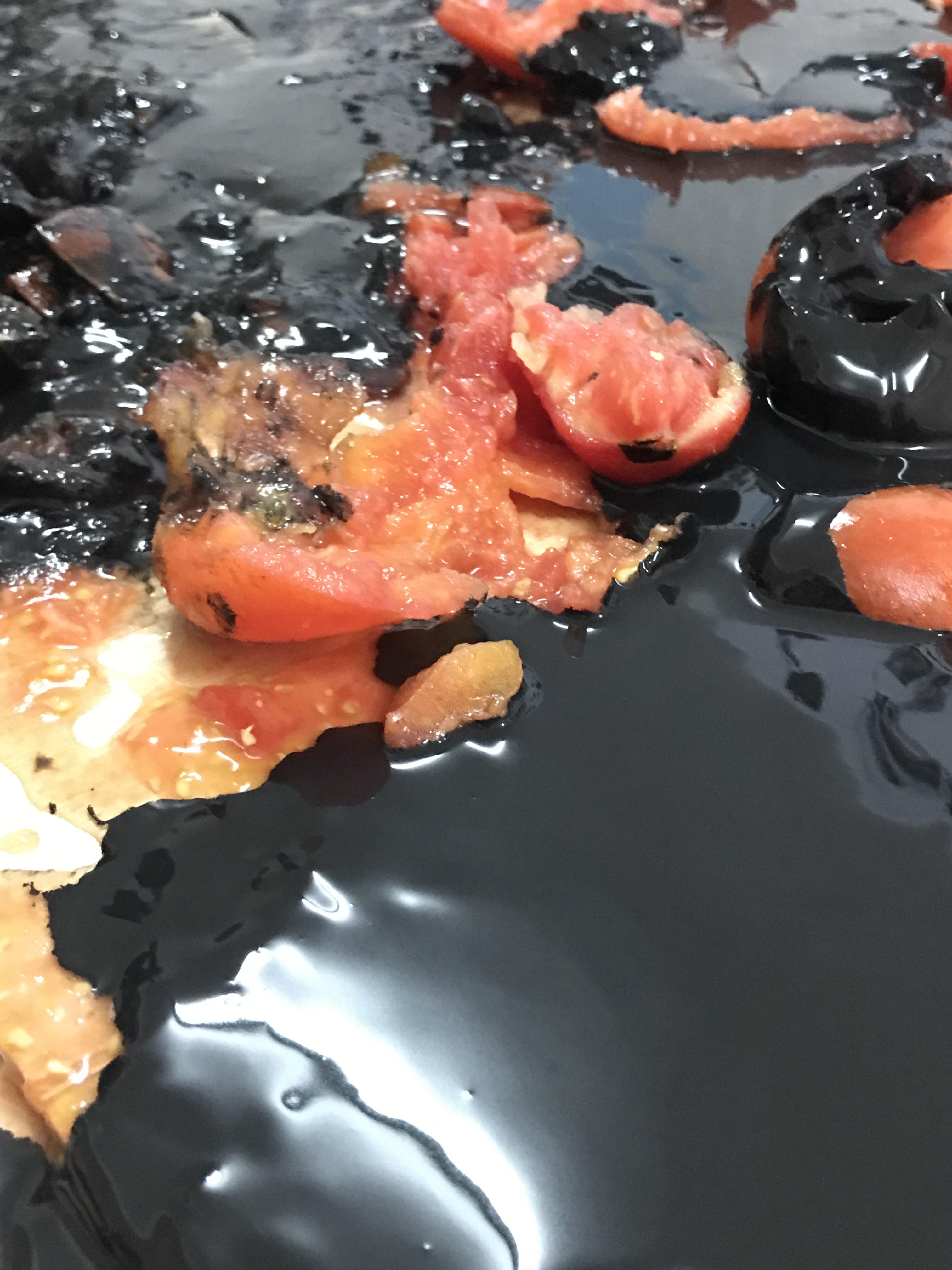
Atmosferinido (Performance), Oil paint, Wood, Polyethylene Terephthalate, Tomatoes, Nico Mierda, 2023


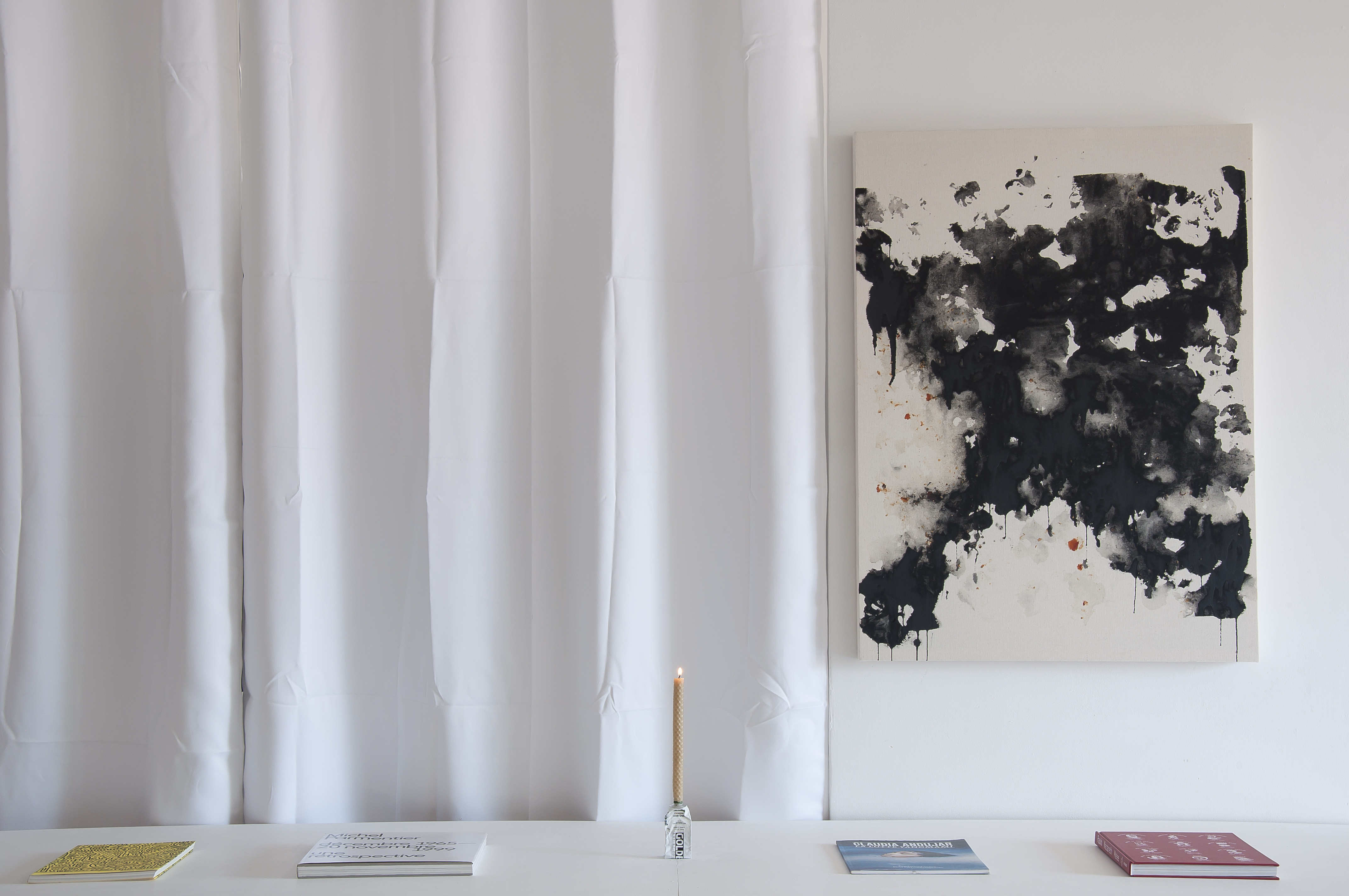
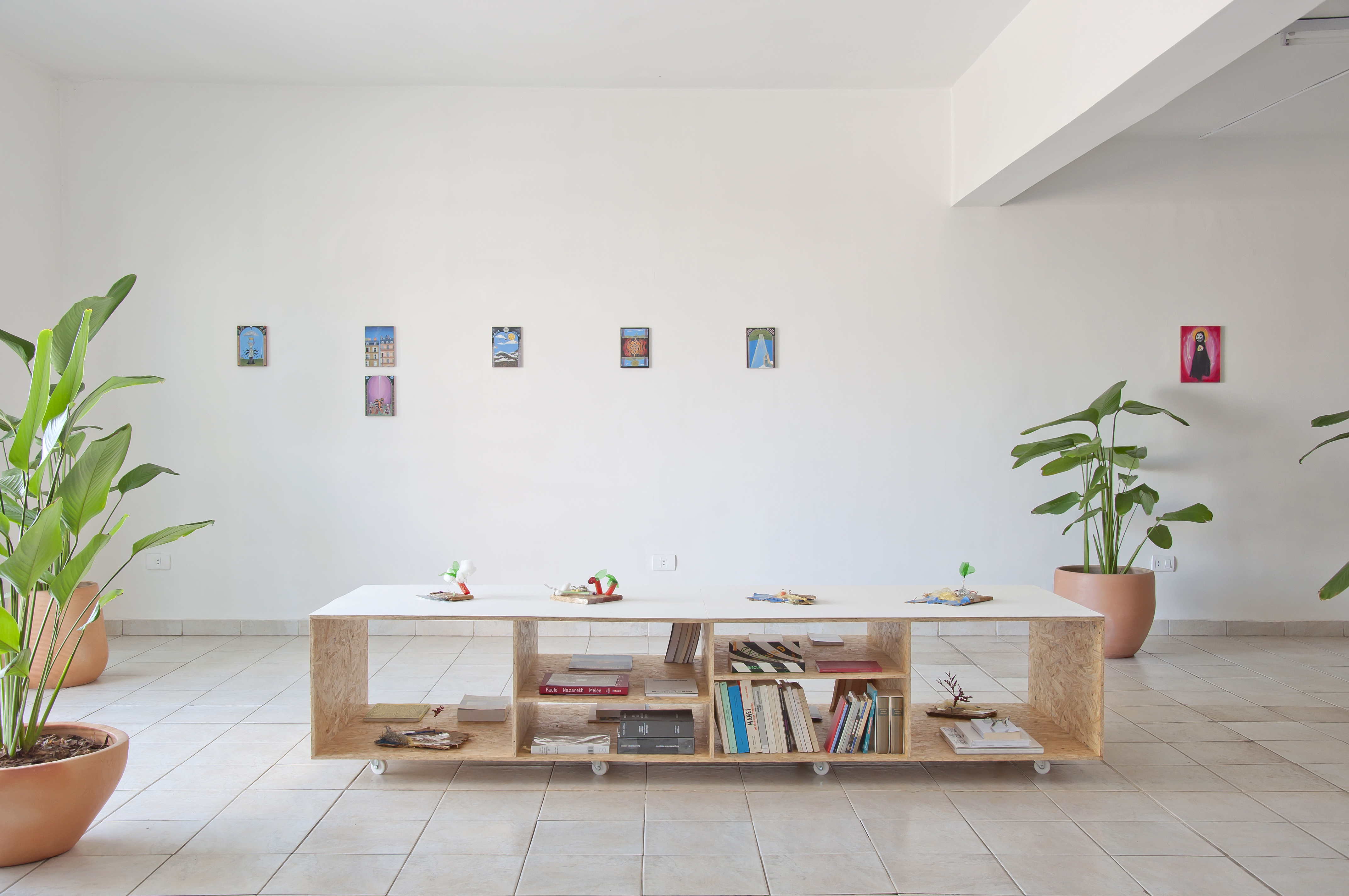
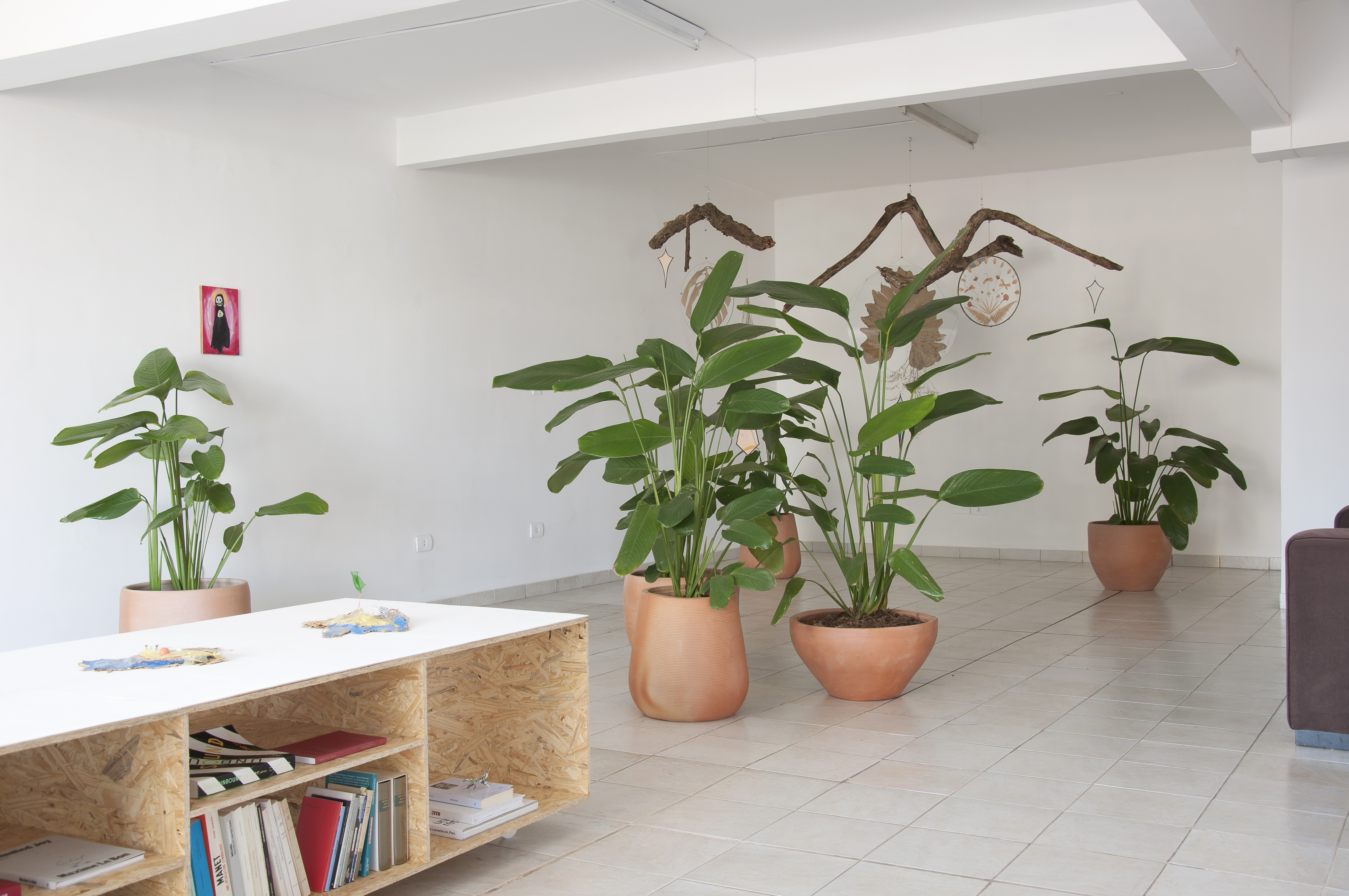
Exhibition View


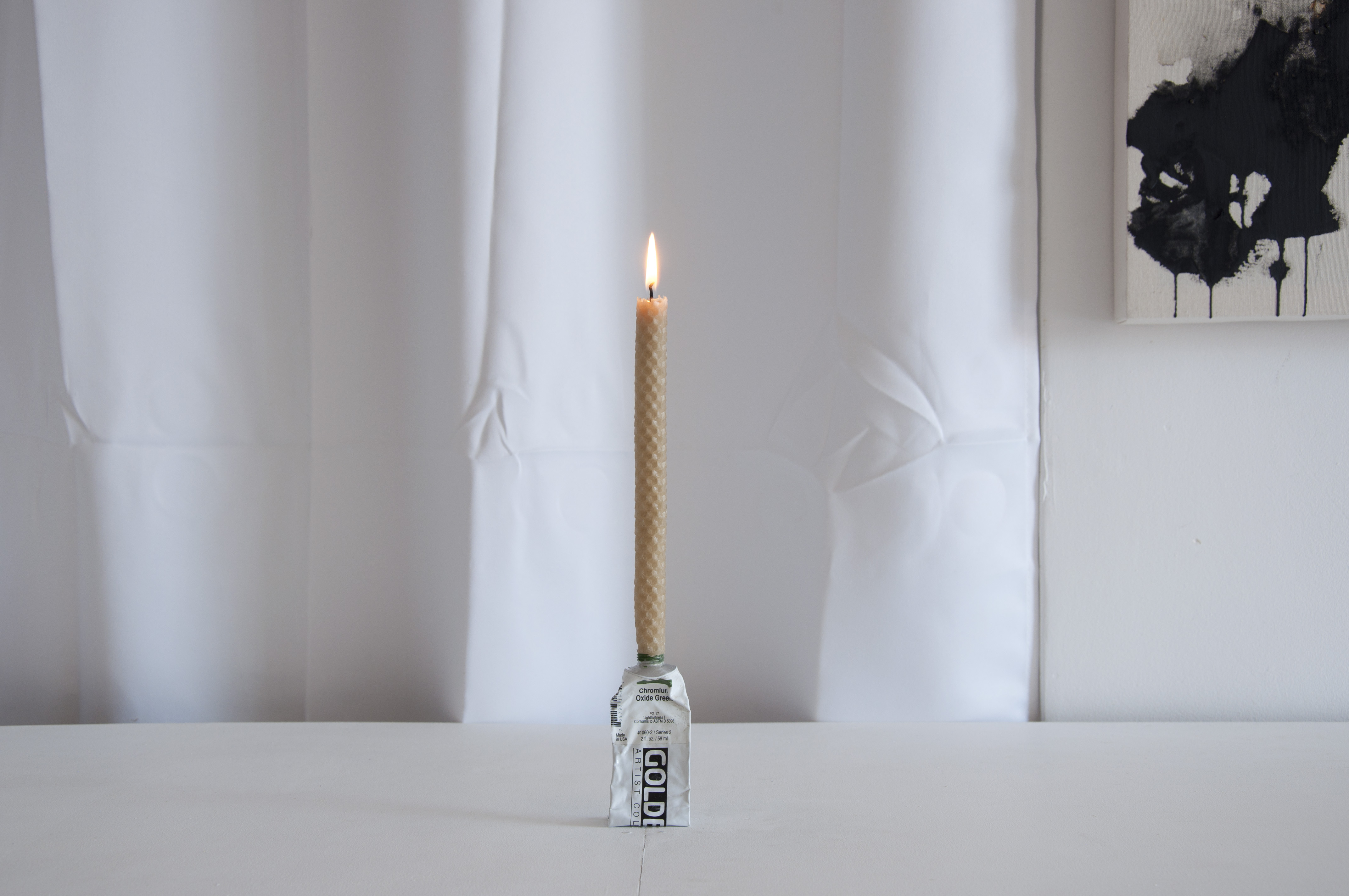
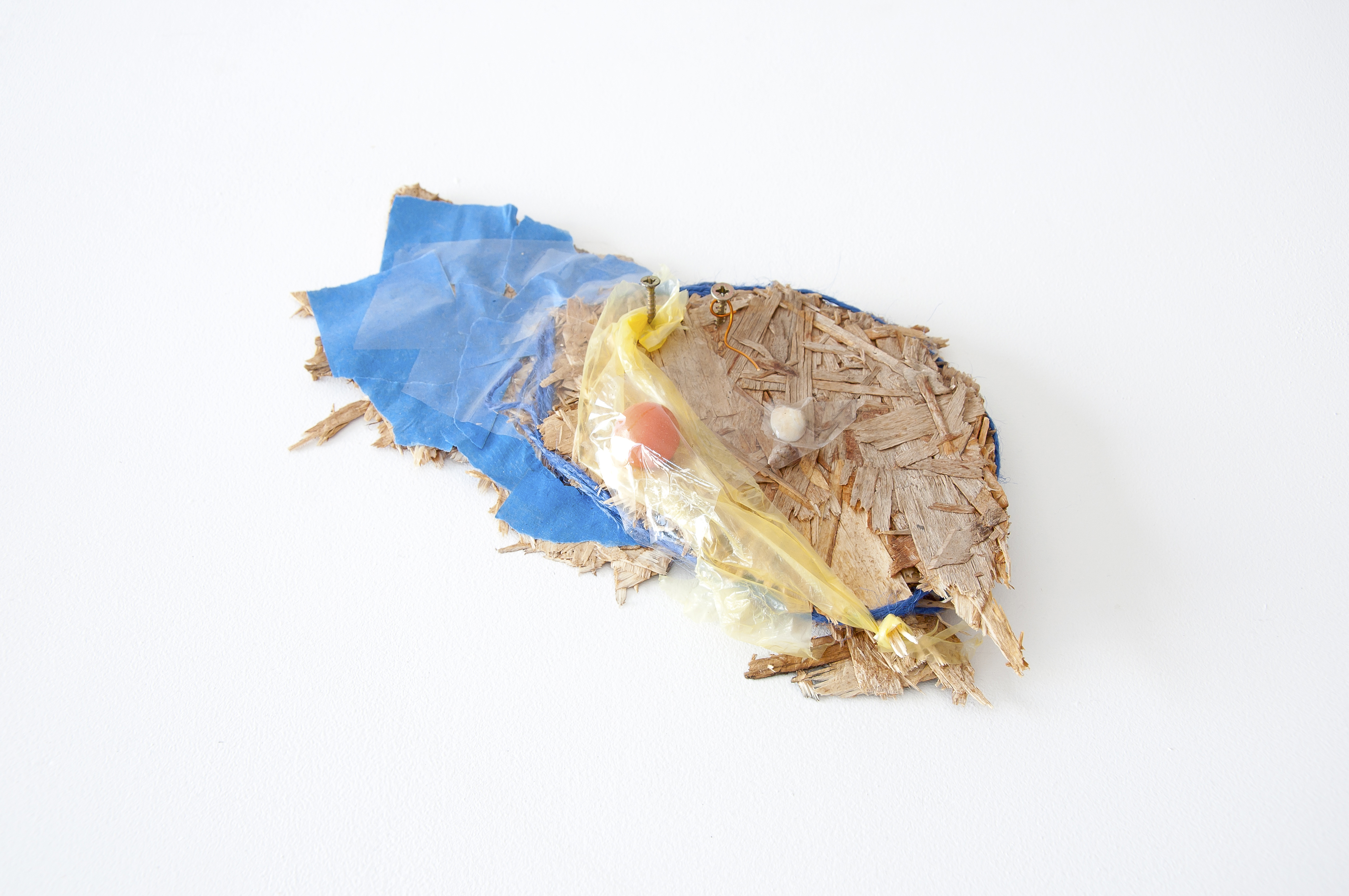
Untitled, acrylic paint tube, natural bee wax, 27 x 4 x 3 cm, Gustavo Riego, 2023


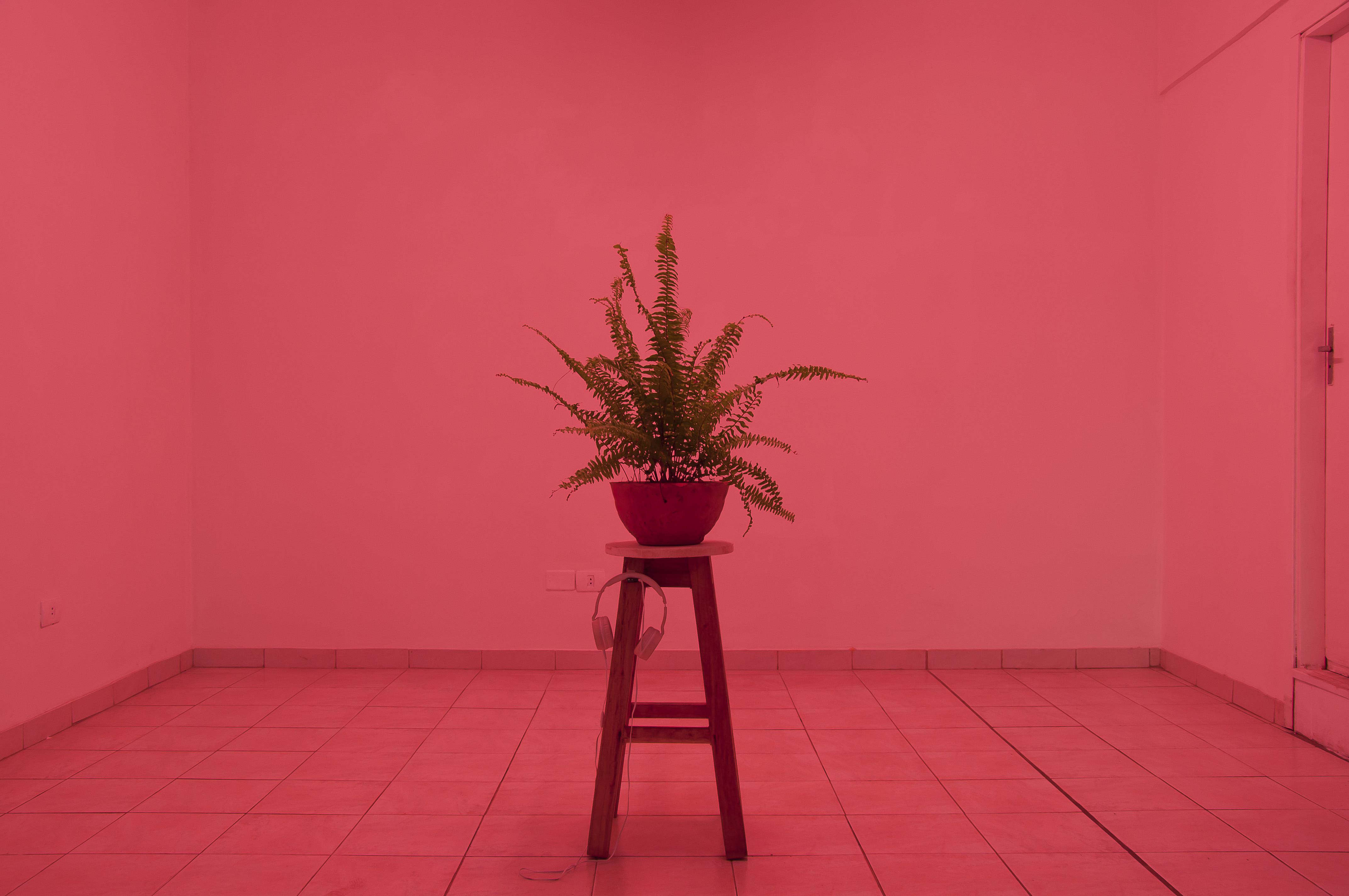
Ojala se recupere el jardin antes de yo me marchite (Performance), fern, pink led tube, variable dimensions, Manu Alviso, 2023


EN.
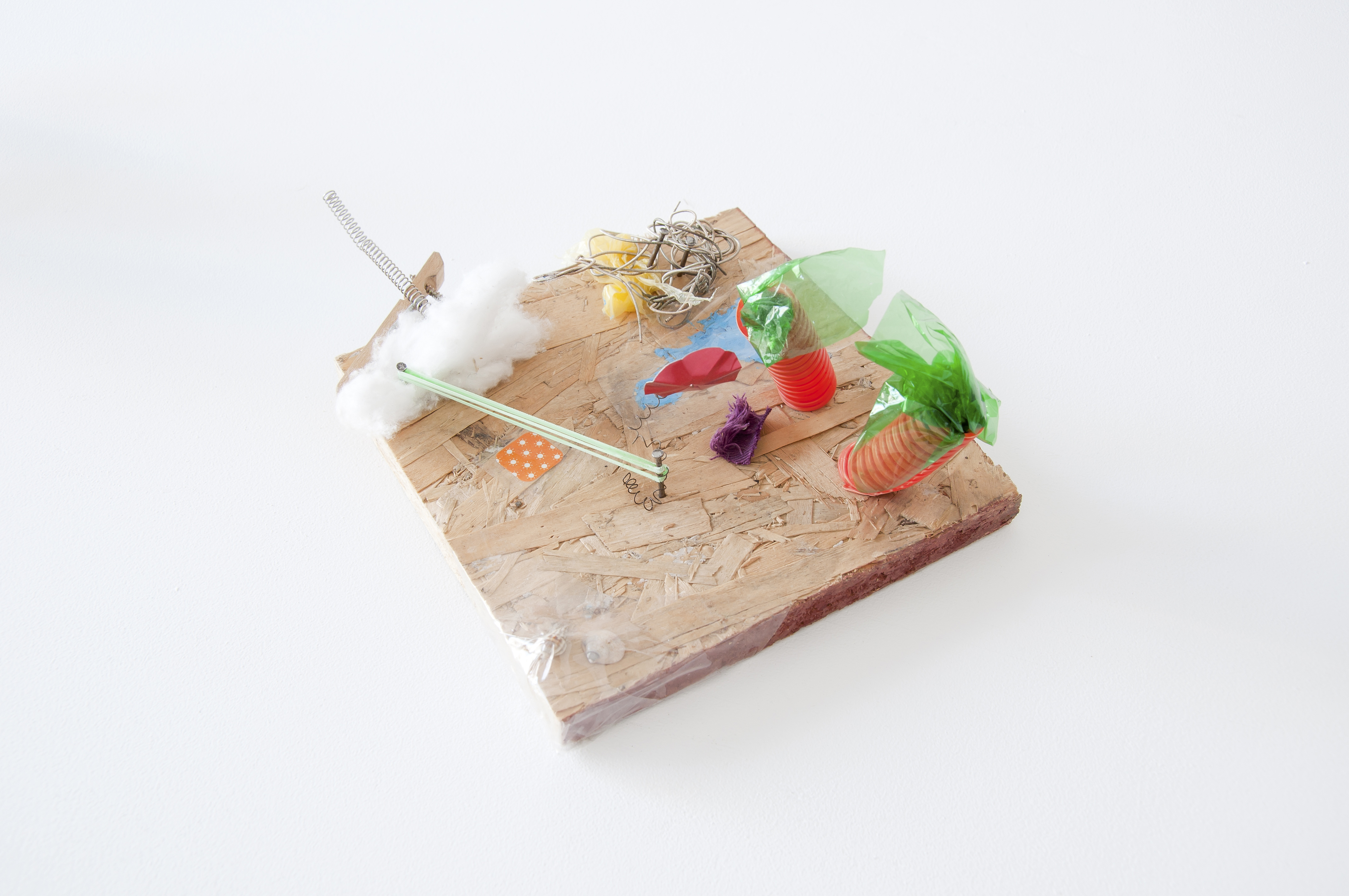
The group show "Arizona Dream" unites the three paraguayan artists Cecilia Avati, Aharon Emery and Ceu Patiño. Their pieces, like grains of sand, are evidence of personal thoughts on social states. They enter in a dialog among RoomServiceIntl's space to tell utopic and surrealist stories about our present, making room for perspectives that are if not possible, imaginable, rejecting their helplessness before a unidimensional world. "The irrational domain becomes the rational one of ideas that can promote the art of living, breaking with the conspiracy of silence in which we all live." Herbert Marcuse
ES.
La muestra colectiva "Arizona Dream" reune los tres artistas paraguayos Cecilia Avati, Aharon Emery y Ceu Patiño. Sus obras plásticas son como granos de arena, evidencias de indagaciones personales y sociales actuales. Entran en diálogo en el espacio de RoomServiceIntl. para contarnos historias utópicas y surrealistas de nuestro presente haciendo lugar a perspectivas si no posibles, imaginables, rechazando su desamparo ante un mundo unidimensional. "El dominio de lo irracional se vuelve el dominio racional de las ideas que pueden promover el arte de vivir, rompiendo la conspiración del silencio bajo la cual vivimos todos." Herbert Marcuse
Exhibition view.


Exhibition view.


Aharon Emery, Salida al mar #3, wood, metal, plastic, 4 x 28 x 15 cm, 2023


Aharon Emery, Salida al mar #2, wood, metal, plastic, cotton, 10 x 18 x 18 cm, 2023


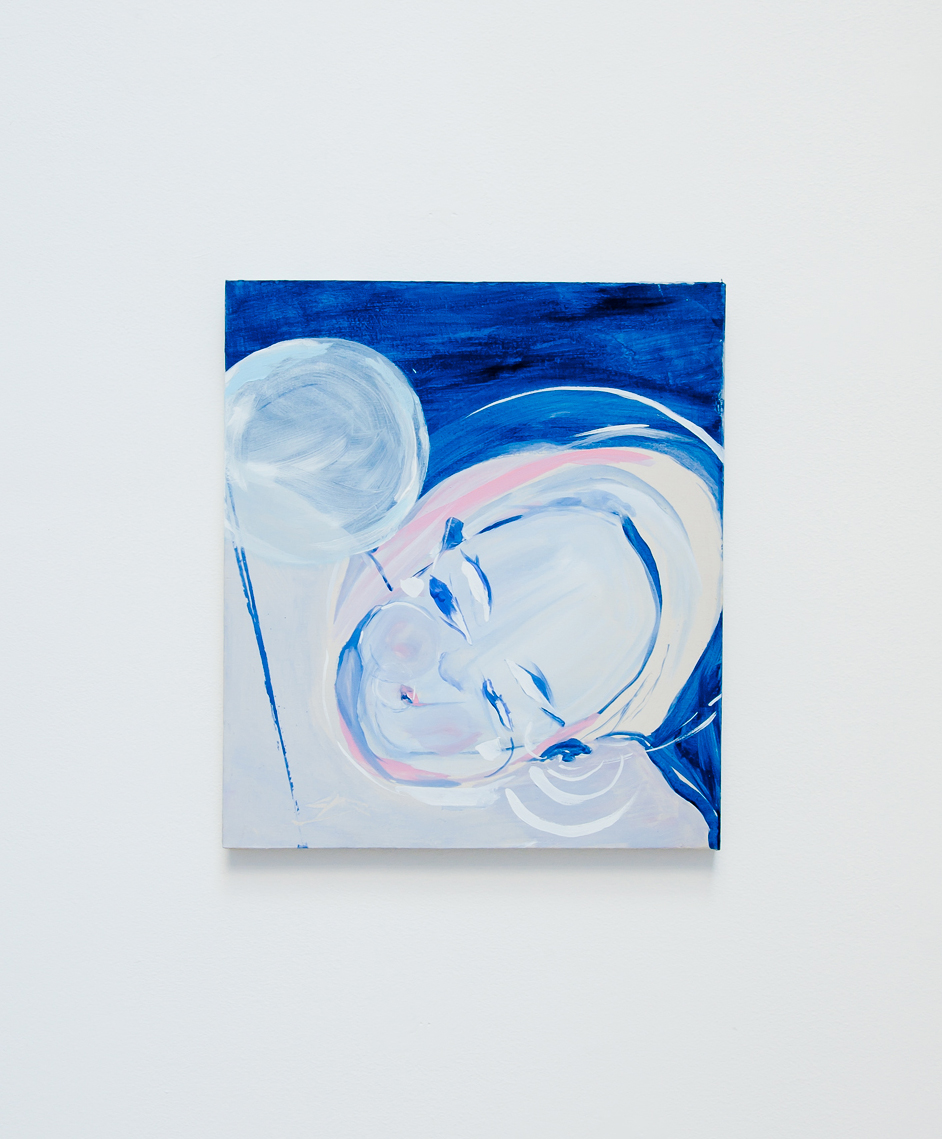
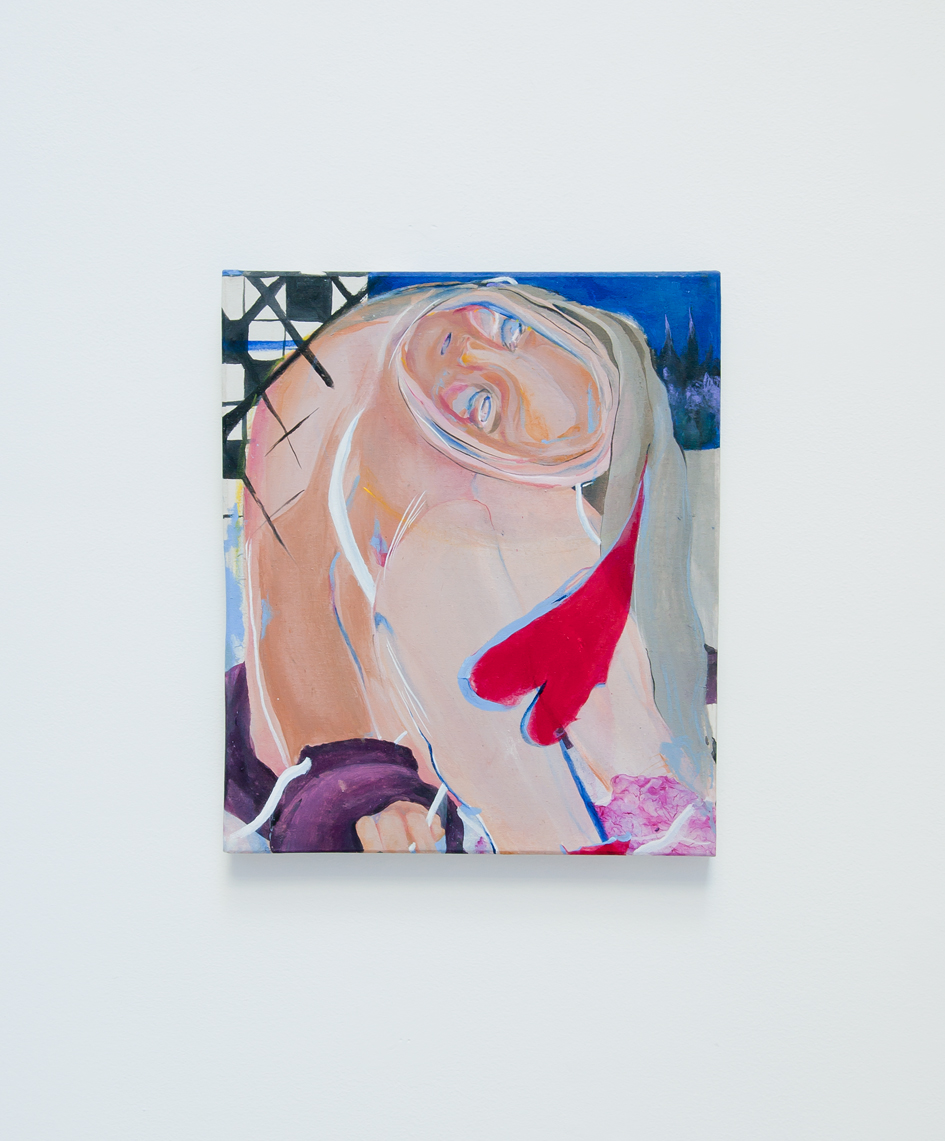
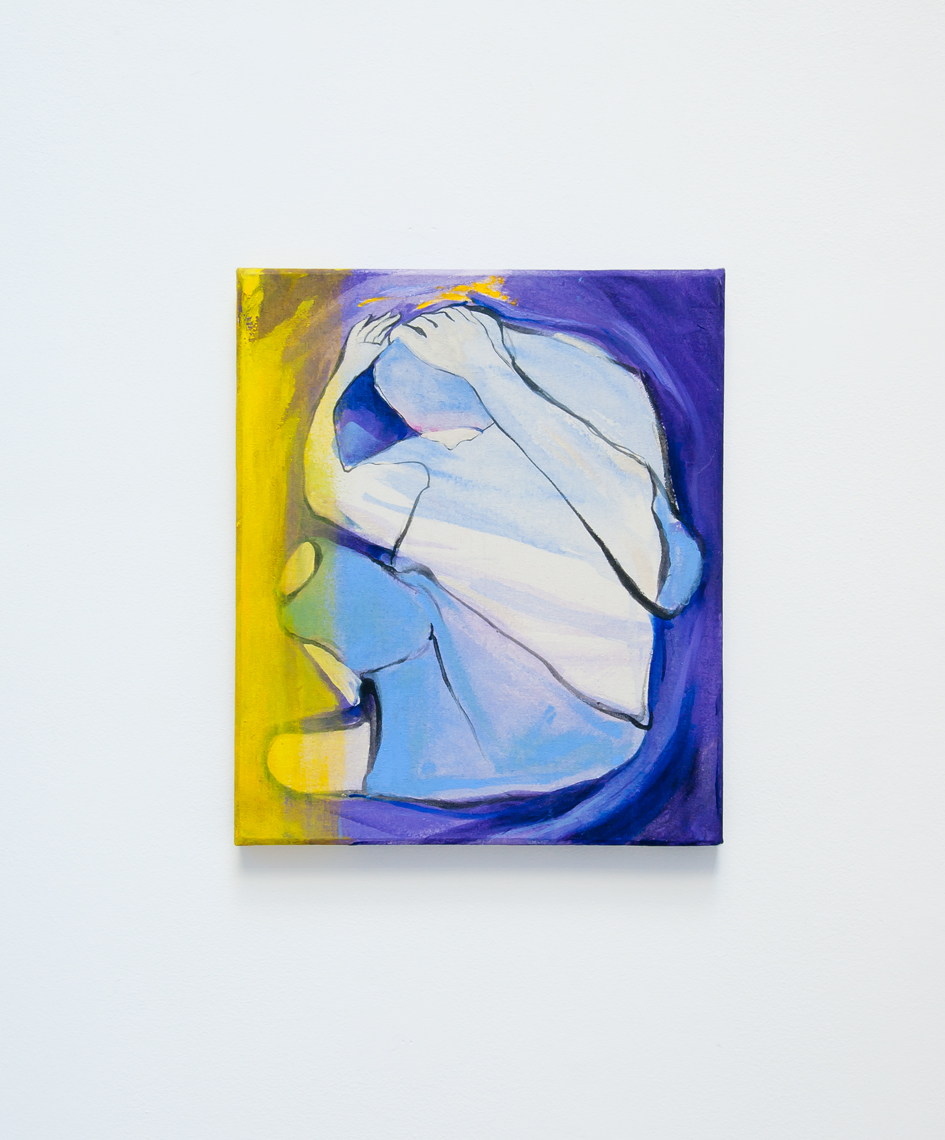
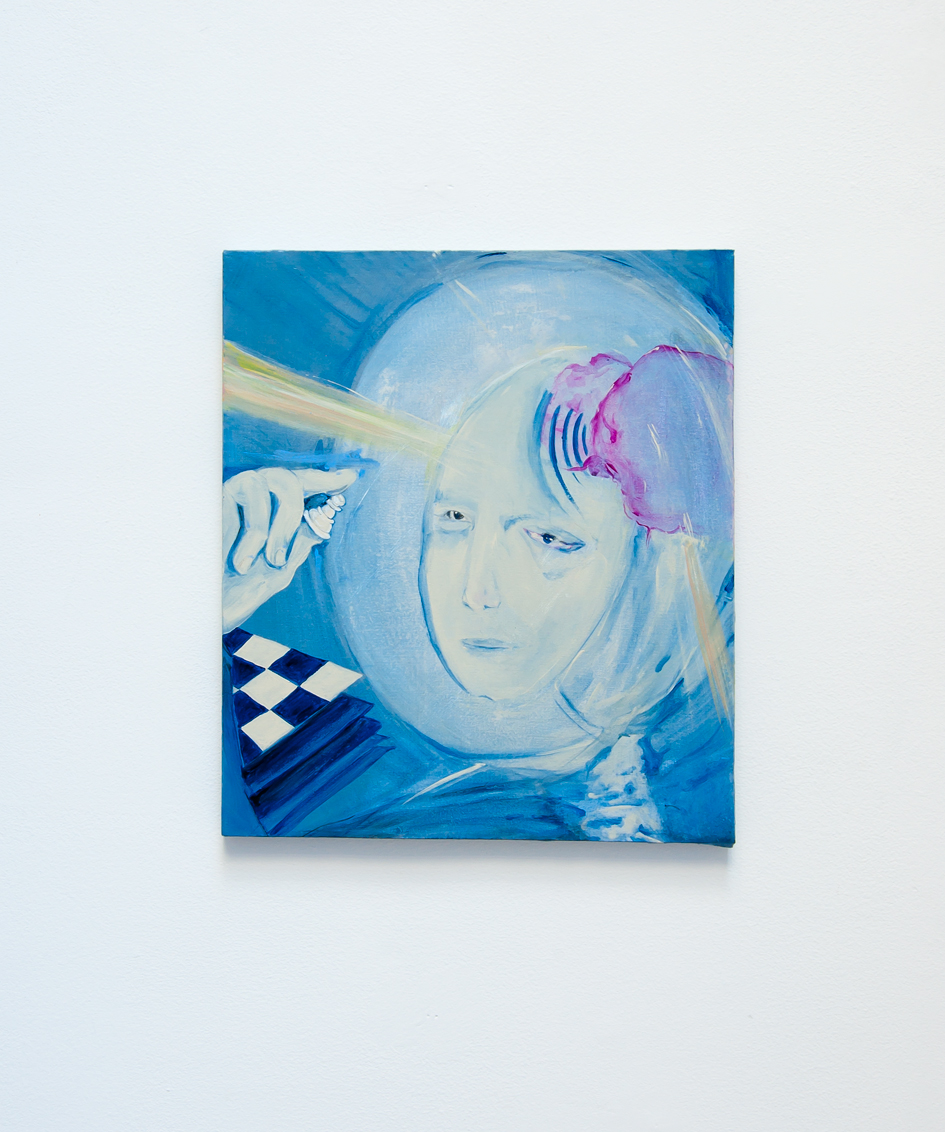
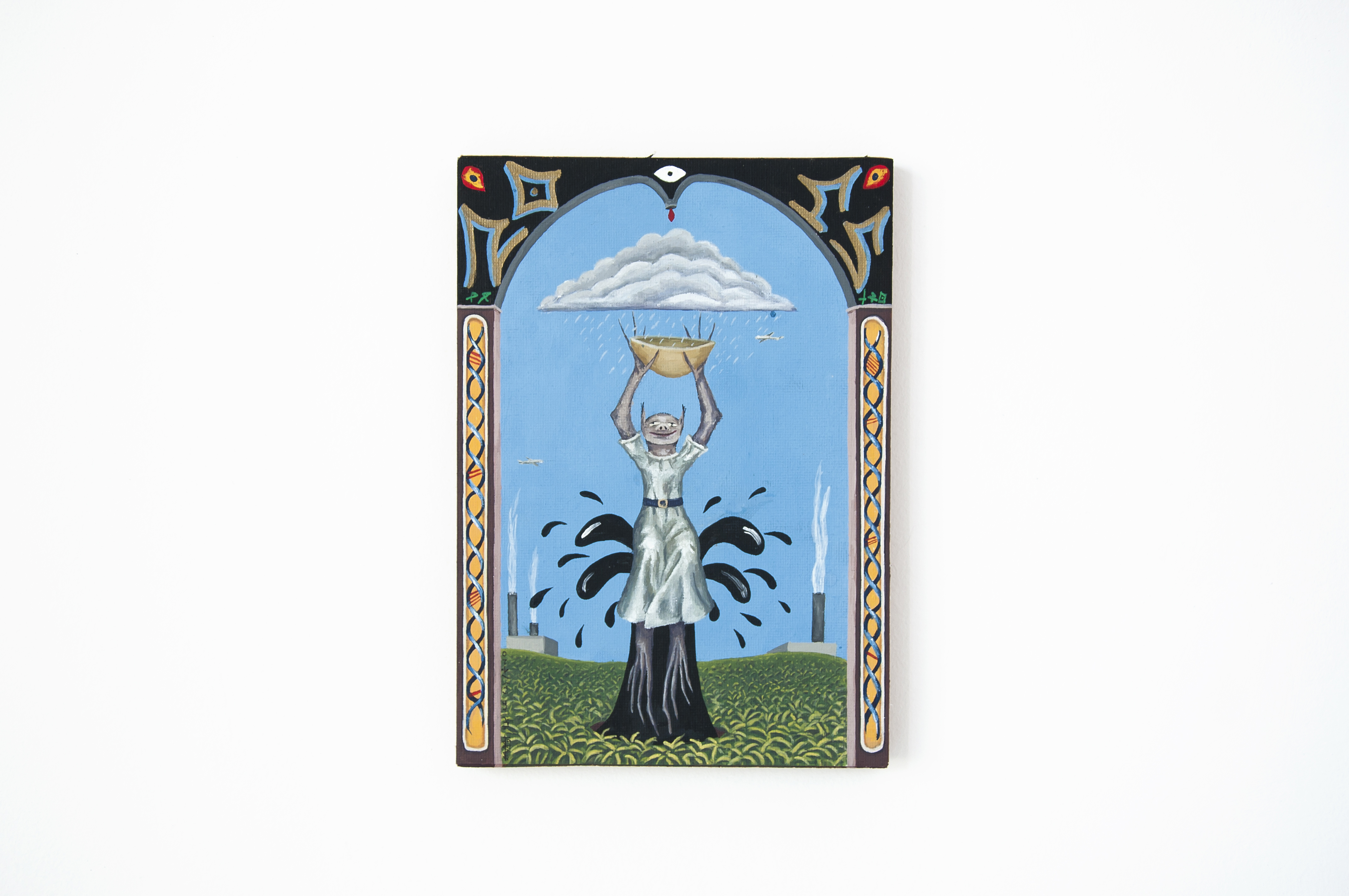
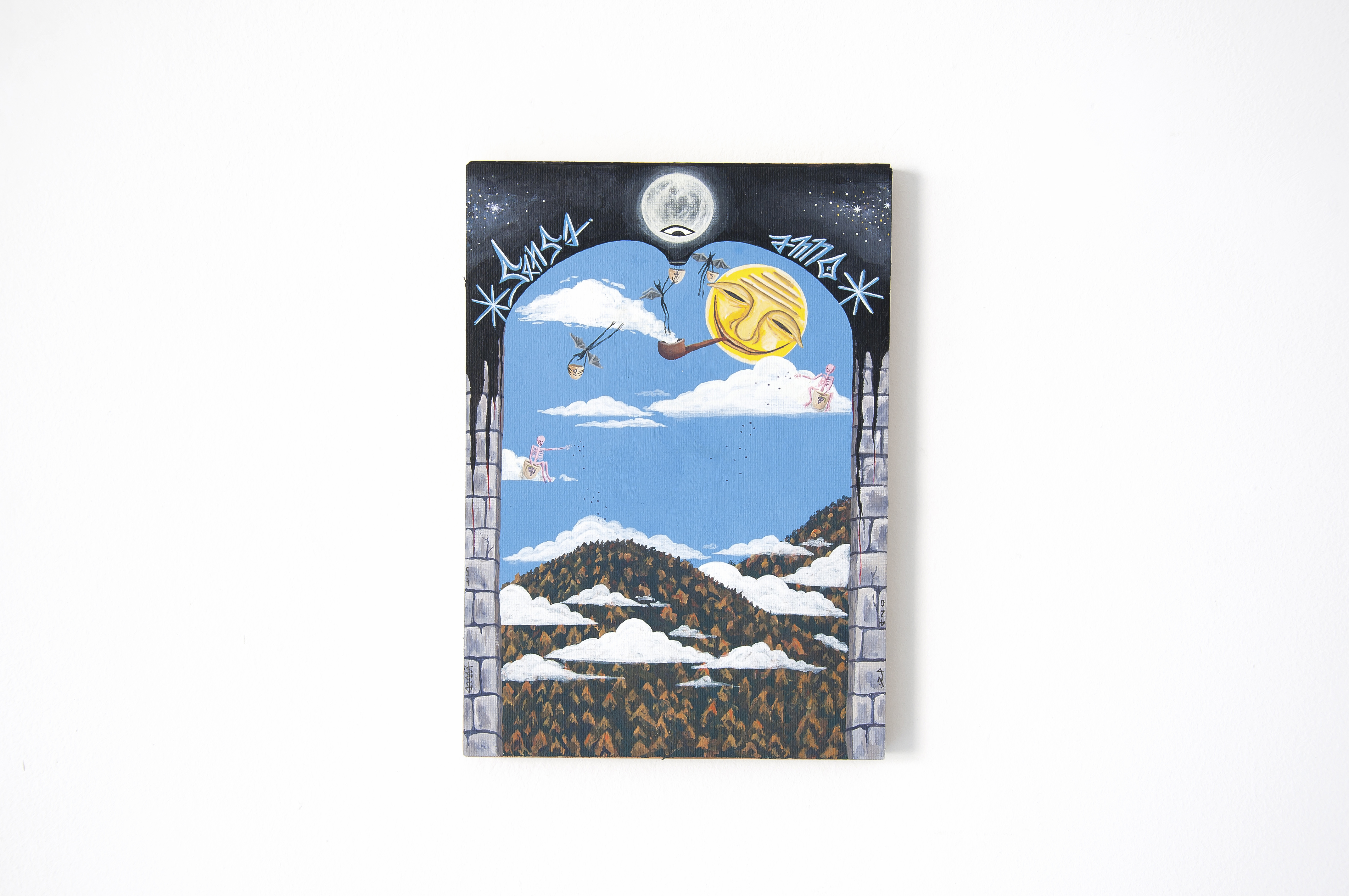
Cecilia Avati, Petro esperando lluvia en el 2021, Acrylic paint on canvas mounted on wood, 2021.


Cecilia Avati, Fue algo que alguien me contó la vez pasada, Acrylic paint on canvas mounted on wood, 2022.


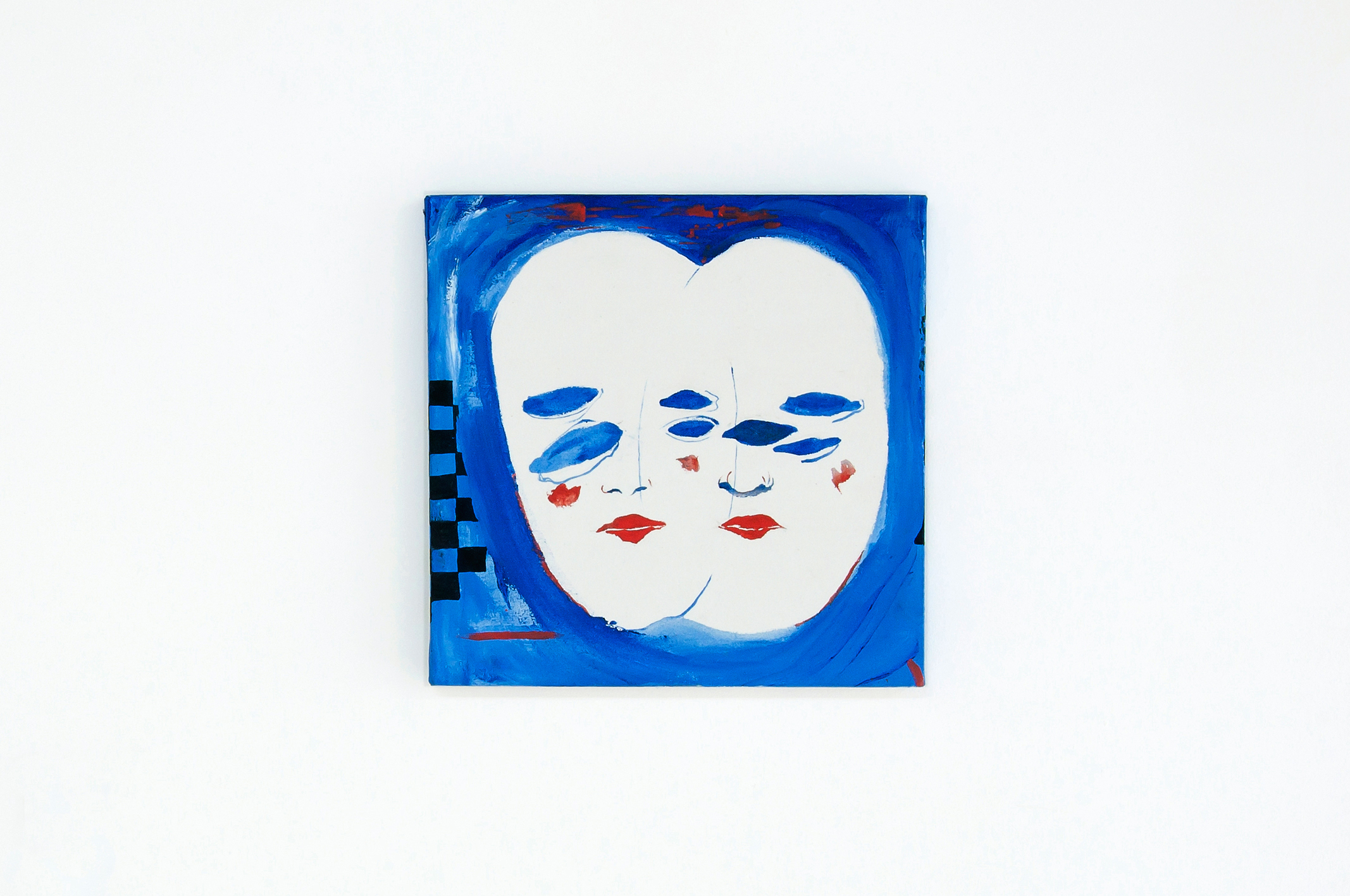
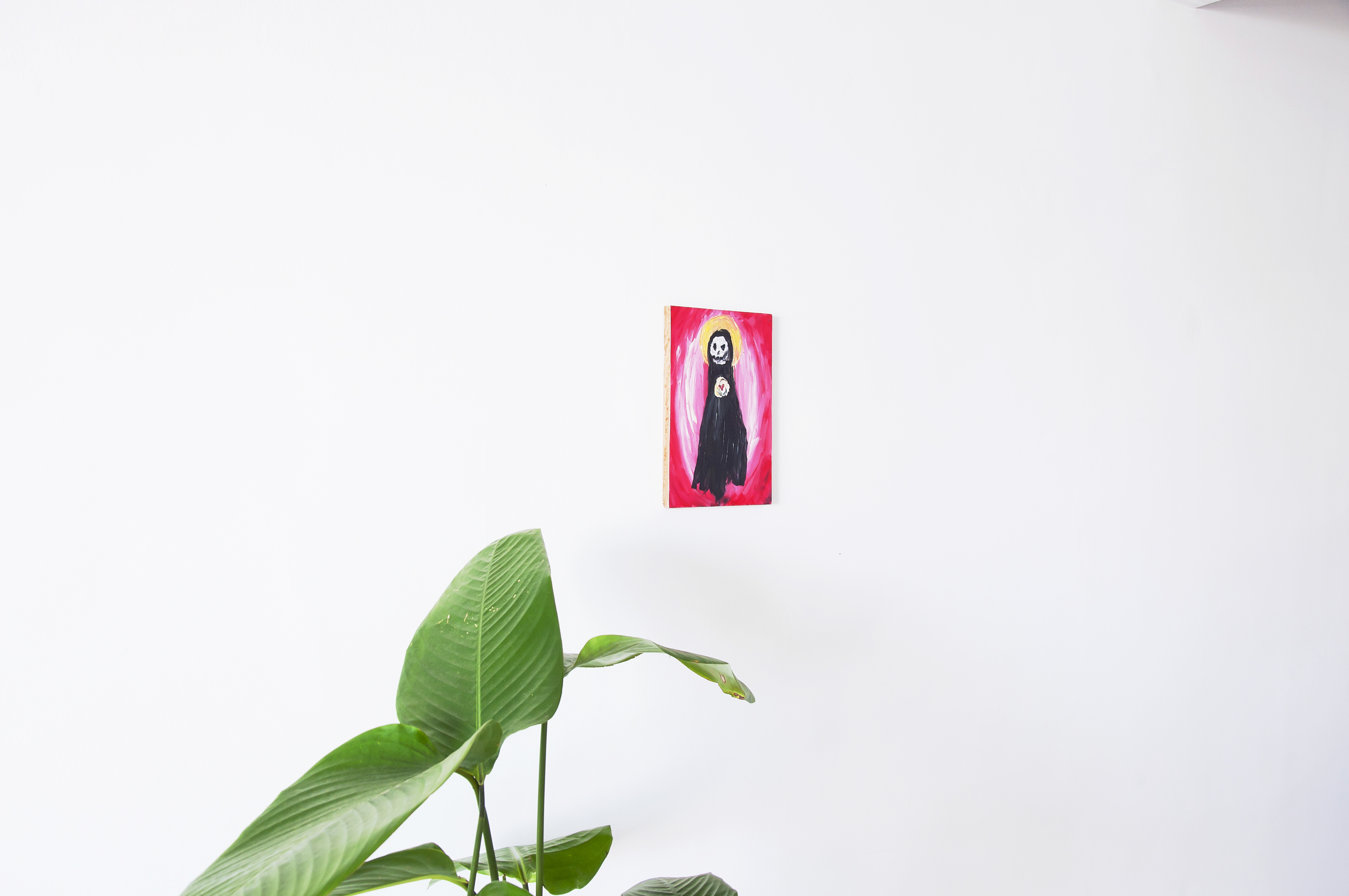
Cecilia Avati, Con corazón, Acrylic paint on canvas mounted on wood, 29 x 21 cm, 2022.


Exhibition view of Ceu Patiño's sculptures


Exhibition view of Ceu Patiño's sculptures


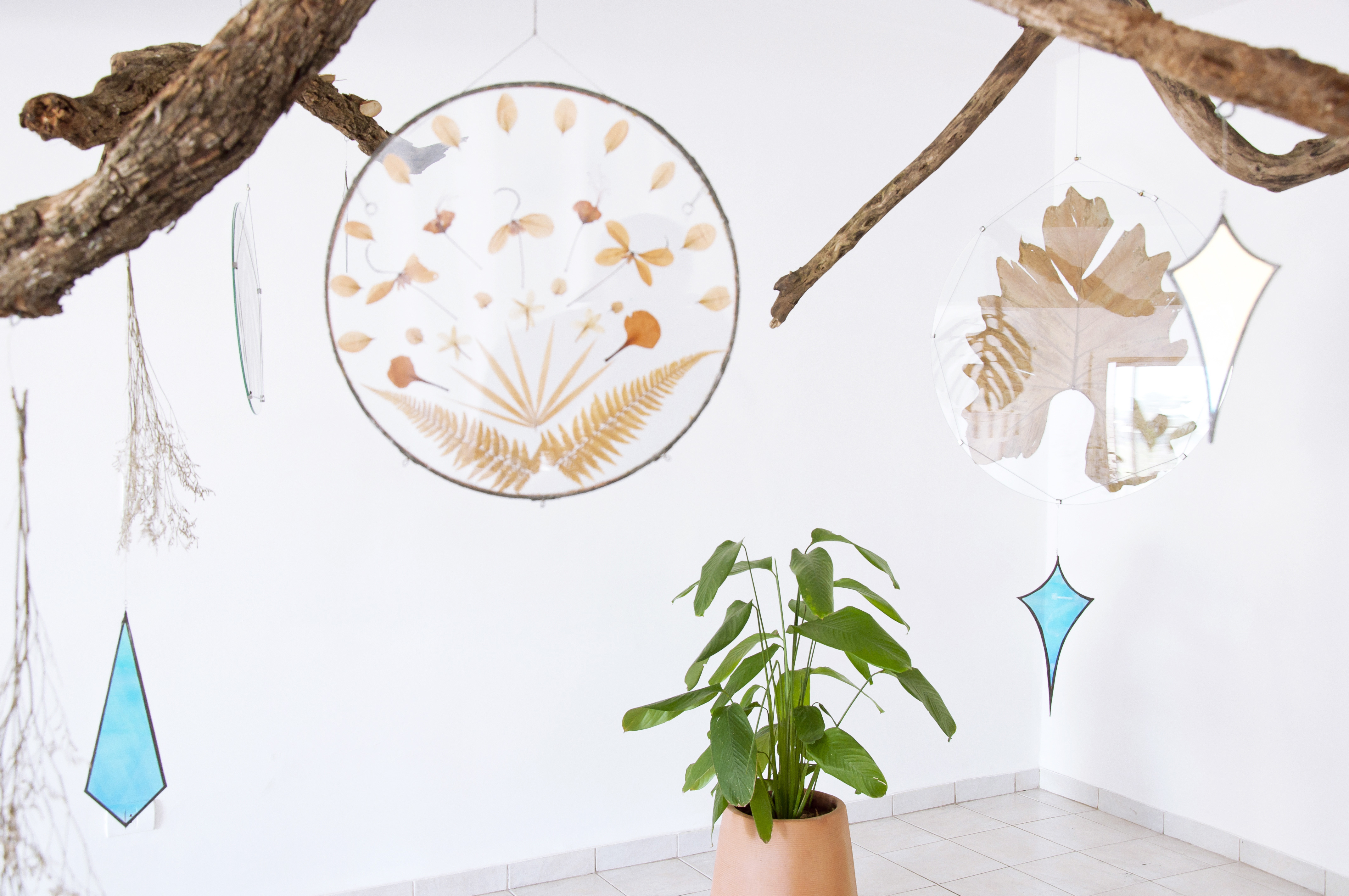
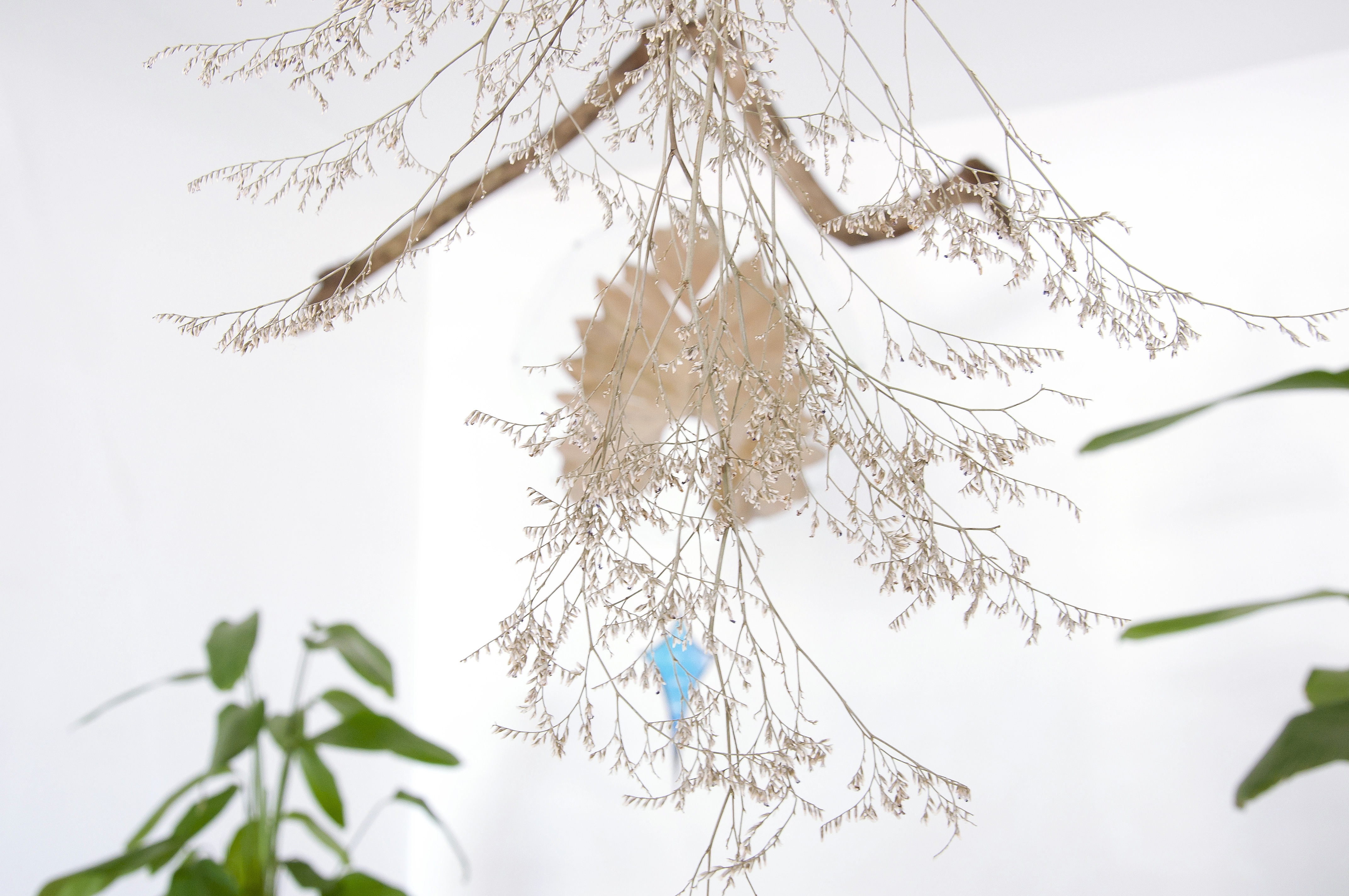
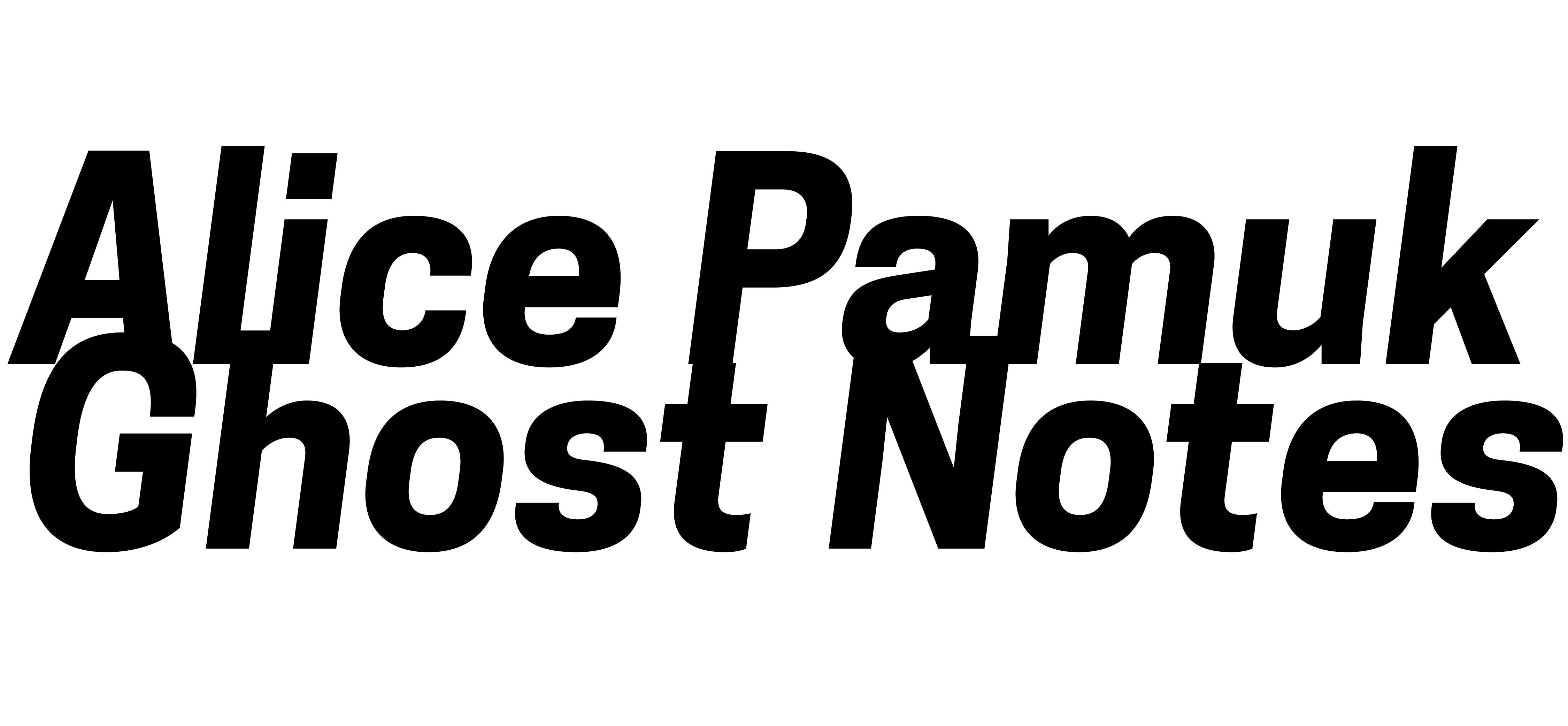
Alice Pamuk's work has been supported by "Flanders State of the Art".
El trabajo de Alice Pamuk para la exposición fue apoyado por "Flanders State of the Art".


Hotel Lousiana, inkjet printed digital photography mounted on acrylic, 30.2 x 20 cm, 2023


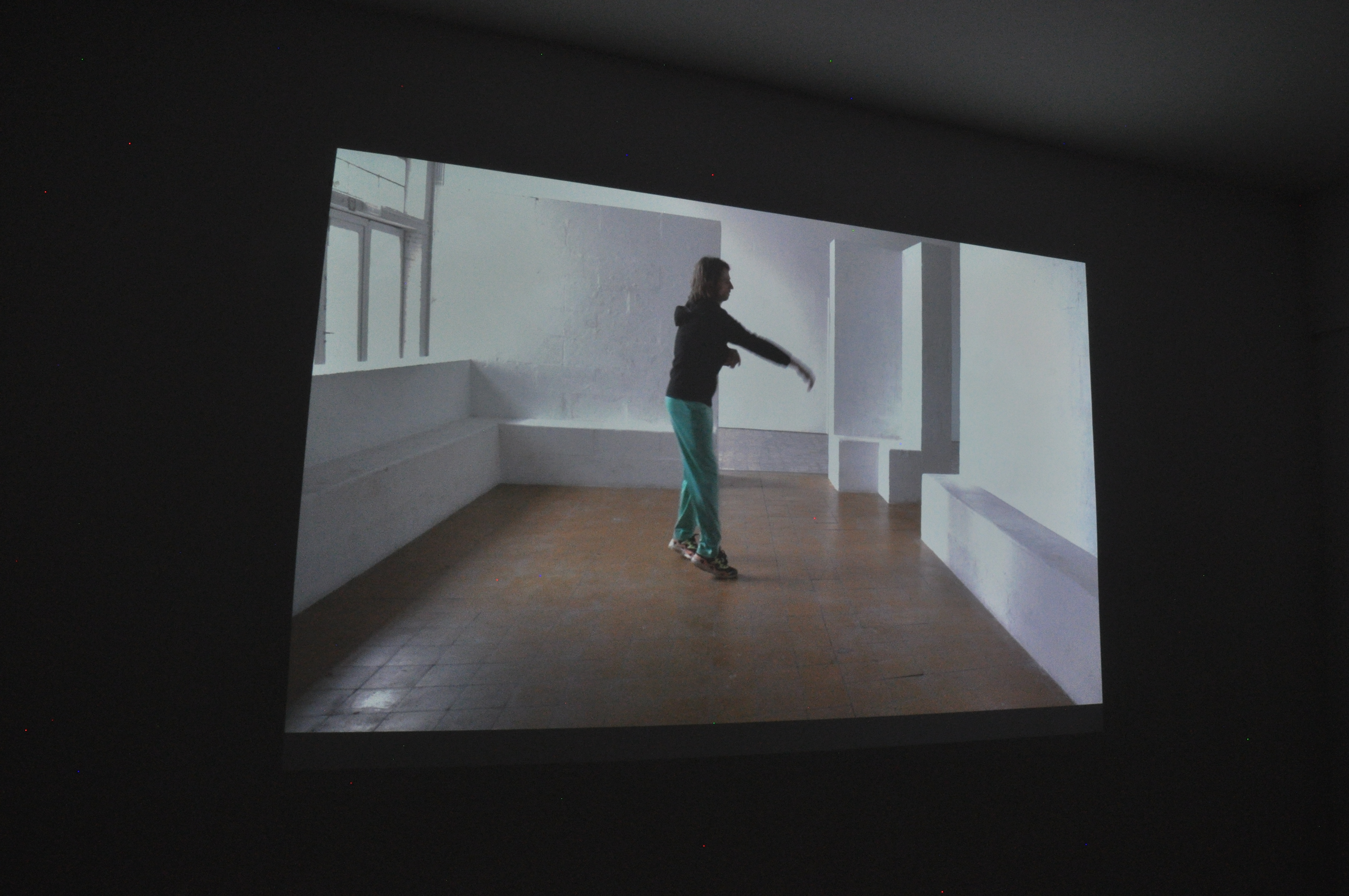
Historia de Joachim, video still, digital video, 5'23'', 2023


Dance Video, video still, digital video, 5'48'', 2023
© Room Service Intl., 2025


EN
The expression "Mi casa es su casa," which gives the exhibition its name, evokes a warm and generous notion of hospitality, where the host offers his home to the other as if it were his own. However, this curatorial proposal seeks to investigate and deepen this notion, highlighting that true hospitality requires recognizing the stranger within ourselves. The exhibition proposes that hospitality is not limited to a docile and absolute welcome, but is built on paradoxical relationships of coexistence with otherness.
Hospitality, as philosopher Alain Montandon explains, must begin by eliminating the latent hostility that often accompanies the first sight of a guest or a stranger. This stranger, who may be poor, marginalized, homeless, landless, a refugee, or considered insane, is often perceived as a threat. Montandon reminds us that social groups construct their identities through the inclusion and exclusion of those who do not conform to their norms. In this context, the expression "Mi casa es su casa" cannot be reduced to a simple gesture of welcome. To be authentic, hospitality must go beyond the appearance of generosity and confront the tensions and contradictions inherent in the act of welcoming others. It is necessary to recognize that hospitality involves a dialectical interaction, where both host and guest are transformed by the experience of living together.
In the show, a dialogue between artists from different territories and practices proposes a critical reflection on how hospitality can be practiced in a deeper and more inclusive way, recognizing and dismantling prejudices and fears regarding foreigners. Hospitality, from this perspective, is not a unilateral act, but a practice of constant openness and self-criticism, a broadening of perspective. Montandon suggests that hospitality should be perceived as a gesture that aims, above all, to eliminate the threatening perception of the other. From this premise, the exhibition seeks to consider ways to broaden the meanings of hospitality, transforming it into an ethical principle that challenges the barriers between us and others.
Recognizing the foreign within ourselves challenges us to build a society where hospitality is a daily ethic that values and respects the human perspective through concepts of interdependence and the complexities of living organisms. Western education, guided by a disconnection from nature, places the human being at the center of all things, valuing reason and the mastery of a certain knowledge for the categorization and organization of all "other" beings, human and non-human.
The reinvention of human habits, constructed by the narrative of power of colonialism and modernity, has created a world that obliterates perceptions of diversity of thought and imagination. To imagine new possibilities for coexistence and ways of caring for the future, we need to recognize our fragile existence in the vastness of the world.
Curated by Bianca Bernardo & Gustavo Riego
ES
La expresión "Mi casa es su casa", que da nombre a la muestra, evoca una noción cálida y generosa de hospitalidad, donde el anfitrión ofrece su casa al otro como si fuera la suya. Sin embargo, esta propuesta curatorial busca investigar y profundizar esta noción, destacando que la verdadera hospitalidad requiere el reconocimiento del extranjero que reside dentro de nosotros mismos. La exposición propone que la hospitalidad no se limita a una acogida dócil y absoluta, sino que se construya a partir de relaciones paradójicas de convivencia con la alteridad.
La hospitalidad, como explica el filósofo Alain Montandon, debe comenzar por eliminar la hostilidad latente que a menudo acompaña a la primera vista de un huésped o un extraño. Este extranjero, que puede ser pobre, marginado, sin hogar,sin tierra, refugiado o considerado loco, a menudo se percibe como una amenaza. Montandon nos recuerda que los grupos sociales construyen sus identidades mediante la inclusión y exclusión de aquellos que no se ajustan a sus normas. En este contexto, la expresión "Mi casa es su casa" no puede reducirse a un simple gesto de bienvenida. Para ser auténtica, la hospitalidad debe ir más allá de la apariencia de generosidad y afrontar las tensiones y contradicciones inherentes al acto de acoger a los demás. Es necesario reconocer que la hospitalidad implica una interacción dialéctica, donde tanto el anfitrión como el huésped son transformados por la experiencia de convivencia.
En la muestra, un diálogo entre artistas de diferentes territorios y prácticas propone una reflexión crítica sobre cómo se puede practicar la hospitalidad de una manera más profunda e inclusiva, reconociendo y desmantelando prejuicios y miedos en relación con los extranjeros. La hospitalidad, desde este punto de vista, no es un acto unilateral, sino una práctica de apertura y autocrítica constante, una apertura de la perspectiva. Montandon sugiere que la hospitalidad debe ser percibida como un gesto que apunta, sobre todo, a eliminar la percepción amenazante del otro. A partir de esta premisa, la muestra busca pensar formas de ampliar los significados de la hospitalidad, transformándola en un principio ético que desafíe las barreras entre nosotros y los demas.
Reconocer lo extranjero en nosotros mismos nos desafía a construir una sociedad donde la hospitalidad sea una ética diaria que valore y respete la perspectiva humana a través de conceptos de interdependencia y complejidades de los organismos vivos. La educación occidental, guiada por la desconexión con la naturaleza, sitúa al ser humano en el centro de todas las cosas, valorando la razón y el dominio de un determinado conocimiento para la categorización y organización de todos los “otros” seres, humanos y no humanos.
La reinvención de los hábitos humanos, construidos por la narrativa de poder del colonialismo y de la modernidad, ha diseñado un mundo que anula las percepciones de diversidad de pensamiento e imaginación. Para imaginar nuevas posibilidades de convivencia y formas de cuidar el futuro, necesitamos reconocer nuestra frágil existencia en la inmensidad del mundo.
Curaduria de Bianca Bernardo & Gustavo Riego


No gracias, PVC, 80 x 150 cm, Cecilia Avati, 2024


Exhibition view of works by Tainan Cabral.


Exhibition view of works by Asmahen Jaloul.


emo-tional/L4ND-SC4P3.exe' 2024. & 's3lf-™️.exe, video-instalation, variable dimensions, James Muriel, 2024


emo-tional/L4ND-SC4P3.exe' 2024. & 's3lf-™️.exe, video-instalation, variable dimensions, James Muriel, 2024


EN.
Andre comes from a fashion background but he decided early on to take his practice closer to the visual arts as he saw fashion design often to be an alienating system used to represent the body in a unidimensional way for comercial purposes. He uses art as a way of knowledge by putting the fashion world's complex and hermetic representations in a distance, questioning the hegemony of an imposed model. She explores the connections between subject and object, taking the viewer to the limits of its corporality. Her pieces lose their body in the creative process. They are emptied and sometimes flattened. The fabric parts are cut, reshaped and reassembled, resulting in a serie of sculptural works opening the possibility for the body to be as he pleases. Andre tries to apprehend and to understand a mental experience that is at the same time esthetical and political. The artefacts created are carefully composed representations of a possible new world trough new esthetical forms. They are the materialization of a thought, an ode to variety.
ES.
Andre proviene del ambito de la moda, pero desde el principio decidió acercar su práctica a las artes visuales, ya que veía el diseño de moda a menudo siendo un sistema alienante utilizado para representar el cuerpo de forma unidimensional con fines comerciales. Utiliza el arte como forma de conocimiento, alejando las complejas y herméticas representaciones del mundo de la moda, cuestionando la hegemonía de un modelo impuesto. Explora las conexiones entre sujeto y objeto, llevando al espectador a los límites de su corporalidad. Sus piezas pierden cuerpo en el proceso creativo. Están vaciadas y en ocasiones aplanadas. Las partes de tejido se cortan, se remodelan y se vuelven a ensamblar, dando como resultado una serie de trabajos escultóricos que abren la posibilidad de que el cuerpo sea como le plazca. Andre intenta aprehender y comprender una experiencia mental que es al mismo tiempo estética y política. Los artefactos creados son representaciones cuidadosamente compuestas de un posible nuevo mundo a través de nuevas formas estéticas. Son la materialización de un pensamiento, una oda a la variedad.


Exhibition view.


Exhibition view.


Medula, fabric, wood, metal, 27 x 4 x 3 cm, Andre Rolon, 2024
Zen Brain, synthetic hair, polyurethane, 30 x 21 x 300 cm, Andre Rolon, 2024


Zen Brain II, fabric, synthetic hair, polyurethane, 37 x 33 x 56 cm, Andre Rolon, 2024
Siamesa, fabric, synthetic hair, metal, 290 x 4 x 3 cm, Andre Rolon, 2024


Madraykin, fabric, 78 x 93 cm, Andre Rolon, 2024


Osso Bucco, fabric, polyrethane, 37 x 98 x 94 cm, Andre Rolon, 2024


Let's eat grandma, fabric, polyrethane, 28 x 27 x 33 cm, Andre Rolon, 2024


EN.
Five artists were invited to intervene in our space during a week and without pre established rules except the space itself and the timing. We found it interesting to proceed from a blank sheet and without expectations, far from the norms that usually govern cultural manifestations. In the manner of a cook preparing a dinner, knowing his favourite ingredients, the artists offer us their vision.
ES.
Cinco artistas fueron invitados a intervenir en nuestro espacio durante una semana y sin reglas preestablecidas excepto el espacio mismo y el tiempo impartido. Nos pareció interesante proceder con la hoja blanca y sin expectativas, lejos de las normas que suelen regir una manifestación cultural. A la manera de un cocinero que prepara una cena, conociendo sus ingredientes predilectos, los artistas nos ofrecen su visión.


Untitled in-situ piece realised by Cecilia Avati, Nico Mierda and Gustavo Riego.


Details of the in-situ piece


Details of the in-situ piece


Details of the in-situ piece


Atmosferinido (Performance), Oil paint, Wood, Polyethylene Terephthalate, Tomatoes, Nico Mierda, 2023


Untitled, acrylic paint tube, natural bee wax, 27 x 4 x 3 cm, Gustavo Riego, 2023


Untitled, acrylic paint tube, natural bee wax, 27 x 4 x 3 cm, Gustavo Riego, 2023


Ojala se recupere el jardin antes de yo me marchite (Performance), fern, pink led tube, variable dimensions, Manu Alviso, 2023


EN.
The group show "Arizona Dream" unites the three paraguayan artists Cecilia Avati, Aharon Emery and Ceu Patiño. Their pieces, like grains of sand, are evidence of personal thoughts on social states. They enter in a dialog among RoomServiceIntl's space to tell utopic and surrealist stories about our present, making room for perspectives that are if not possible, imaginable, rejecting their helplessness before a unidimensional world. "The irrational domain becomes the rational one of ideas that can promote the art of living, breaking with the conspiracy of silence in which we all live." Herbert Marcuse
ES.
La muestra colectiva "Arizona Dream" reune los tres artistas paraguayos Cecilia Avati, Aharon Emery y Ceu Patiño. Sus obras plásticas son como granos de arena, evidencias de indagaciones personales y sociales actuales. Entran en diálogo en el espacio de RoomServiceIntl. para contarnos historias utópicas y surrealistas de nuestro presente haciendo lugar a perspectivas si no posibles, imaginables, rechazando su desamparo ante un mundo unidimensional. "El dominio de lo irracional se vuelve el dominio racional de las ideas que pueden promover el arte de vivir, rompiendo la conspiración del silencio bajo la cual vivimos todos." Herbert Marcuse

Exhibition view of Arizona Dream


Exhibition view of Arizona Dream


Aharon Emery, Salida al mar #3, wood, metal, plastic, 4 x 28 x 15 cm, 2023


Aharon Emery, Salida al mar #2, wood, metal, plastic, cotton, 10 x 18 x 18 cm, 2023


Cecilia Avati, Petro esperando lluvia en el 2021, Acrylic paint on canvas mounted on wood, 2021


Cecilia Avati, Con corazón, Acrylic paint on canvas mounted on wood, 29 x 21 cm, 2022.
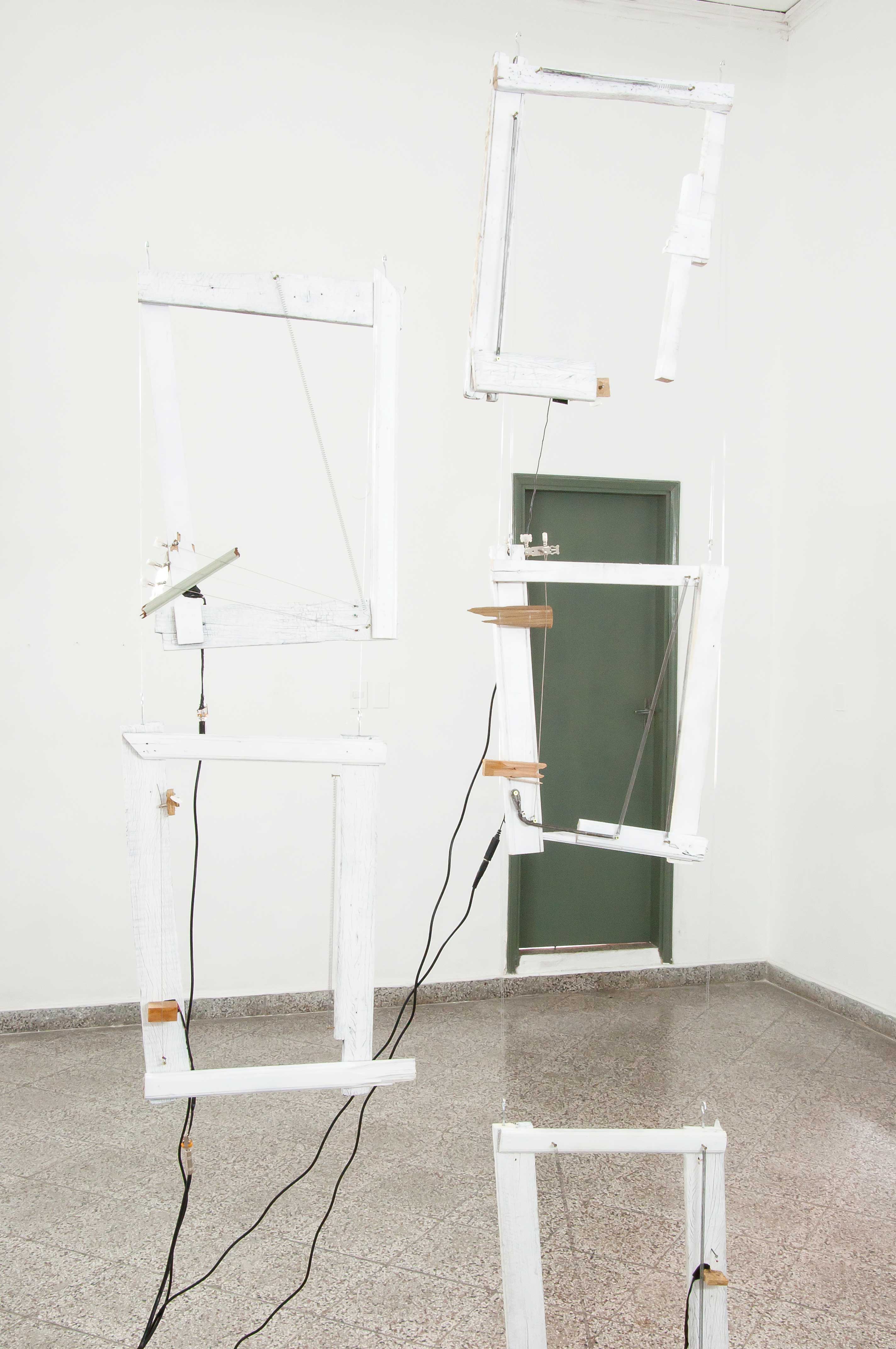

Exhibition view of Ceu Patiño's sculptures


Exhibition view of Ceu Patiño's sculptures


Hotel Lousiana, inkjet printed digital photography mounted on acrylic, 30.2 x 20 cm, 2023


Historia de Joachim, video still, digital video, 5'23'', 2023


Dance Video, video still, digital video, 5'48'', 2023

© Room Service Intl., 2025